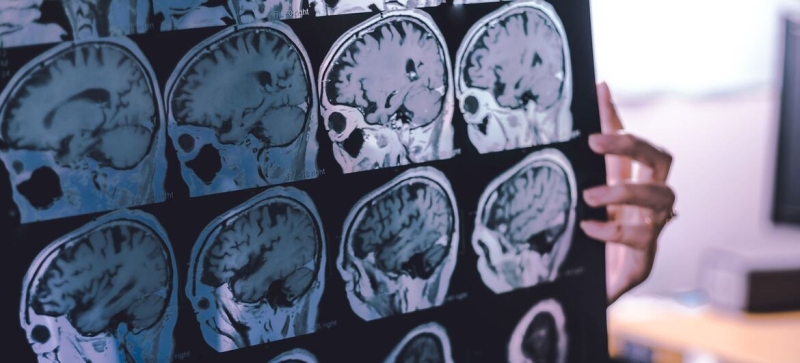

© Adobe Stock/Atthapon Dementia negatively affects memory, thinking and many physical abilities. A healthy lifestyle helps prevent or delay dementia Healthcare
Up to 45 percent of dementia cases can be prevented or delayed by addressing modifiable risk factors throughout the lifespan. This is stated in the updated global recommendations of the World Health Organization (WHO), published on Wednesday.
More than 57 million people live with dementia in the world today, and nearly 10 million new cases are diagnosed each year. Alzheimer’s disease accounts for 60 to 70 percent of all diagnoses.
WHO says there is no effective treatment for this severe and irreversible brain condition, but the risks can be reduced through healthy lifestyle choices, managing chronic conditions and reducing exposure to environmental hazards. “We know more about the causes of dementia than ever before, and these recommendations help translate knowledge into action,” said WHO Director-General Tedros Adhanom Ghebreyesus. Clear, evidence-based recommendations can and should be implemented immediately to protect people’s cognitive health, he said.
WHO Practice Guidelines
The new recommendations update 2019 guidelines and reflect the latest evidence on preventing cognitive decline across the lifespan. In particular, WHO emphasizes the importance of regular physical activity, a healthy diet, reducing alcohol consumption and quitting tobacco. Cognitive training, social activity and treatment of conditions such as high blood pressure, diabetes and high cholesterol have also been noted to be beneficial.
The WHO has recommended for the first time, as part of a dementia prevention strategy, to reduce exposure to air pollution. Hearing aids may help reduce the risk of developing the disease for some people.
The organization does not recommend taking vitamins B or E, omega-3s, or multivitamins solely for dementia prevention unless the body is deficient because the evidence for their benefits is insufficient and the potential harm may be outweighed benefit.
The Global Burden of Dementia
In addition to loss of memory and cognitive function, dementia undermines a person’s independence, dignity and safety, placing significant emotional and financial burdens on families and caregivers. WHO estimates that the annual global cost of dementia is about $1.3 trillion, with about half of this amount coming from unpaid care provided by family and friends.
The organization believes that integrating dementia prevention into care systems for noncommunicable diseases, mental disorders and brain disorders can reduce the global burden of disease and help more people live longer, be healthier and not dependent on others.