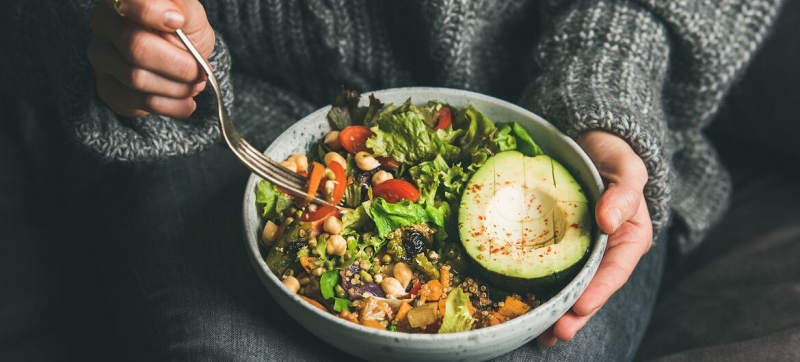

© Adobe Stock/sonyakamoz Eating healthy means eating whole, nutrient-dense foods. Almost a third of the world’s population cannot afford healthy food Healthcare
Almost every third person on Earth cannot afford healthy food. This was stated by FAO chief economist Maximo Torero, speaking in New York on the eve of the publication of the annual report of the Food and Agriculture Organization of the United Nations (FAO) on healthy diets.
Over the past five years, the global cost of healthy eating has risen 25 percent to $4.28 in purchasing power parity terms per person per day, Torero said. As a result, 2.69 billion people – almost a third of the world’s population – cannot afford it. “Calories are relatively cheap, but healthy eating is not,” Torero emphasized. The economist noted that basic foods provide half of the calories a person needs, but make up only 13 percent of the cost of a healthy diet. Fruits and vegetables provide just five percent of calories but account for 16 percent of the cost, and animal products account for almost 30 percent. The main goal, according to the expert, is to make healthy products more accessible. Torero emphasized that 70-75 percent of the cost of a healthy diet is formed after the products leave the farm: at the stages of storage, transportation, processing and wholesale trade. Investments in rural roads, refrigeration infrastructure and logistics for the delivery of fruits and vegetables, according to FAO, have the greatest effect in reducing the cost of healthy diets. The report challenges traditional approaches: modeling shows that subsidies to staple production can increase the cost of healthy diets. FAO calls for reducing structural costs in supply chains, redirecting investment in nutritious foods and strengthening cross-sectoral linkages based on current evidence. Torero warned that the global situation, and in particular the closure of the Strait of Hormuz, remains challenging: sulfur shortages are affecting the production of phosphate fertilizers; High prices for inputs complicate the work of farmers. Although good harvests in recent years have kept prices of most commodities under control, with the exception of rice and wheat, the situation may change in the future.