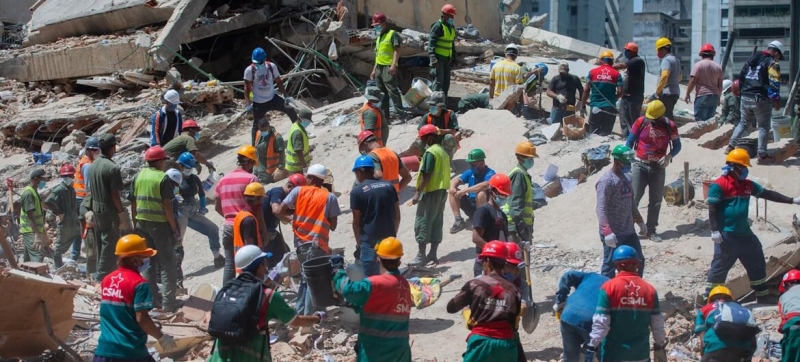

© UNDP The earthquakes affected densely populated and economically significant areas of Venezuela. UN helps Venezuela recover from earthquakes Climate and Environment
A month after Venezuela’s devastating earthquakes, leaders are focusing on assessing the extent of the destruction, safely clearing millions of tons of debris and preparing to reconstruct the affected areas.
The earthquakes that occurred on June 24 affected densely populated and economically important areas of the country such as Caracas, as well as La Guaira, Miranda, Aragua, Carabobo and Yaracuy. According to national authorities, more than 5,300 people were killed and almost 18,000 were injured. Thousands of families are still unable to return to their homes.
Since the early days of the earthquakes, the United Nations Development Program (UNDP) has been supporting Venezuelan government agencies to help transition from emergency response to early recovery. This work includes rapid damage assessment, technical assistance, organization of debris removal, as well as the mobilization of international partners.
Damage assessment using artificial intelligence
UNDP was able to prepare a preliminary assessment of the consequences of earthquakes within the first 24 hours, although such an analysis usually takes several weeks.
“Within 24 hours we assessed the economic damage caused by the earthquakes. The approximate volume of the resulting debris was also determined in less than 48 hours,” said Massimiliano Tozzi, a specialist at the UNDP Crisis Bureau.
Such a rapid assessment was made possible thanks to the RAPIDA system developed by UNDP, which combines seismic modeling, satellite imagery, artificial intelligence, geospatial data and drone photography. Satellite images make it possible to identify the most affected areas almost in real time, and drones can verify and clarify the data received. Together, these tools help assess the impact of a crisis in less than 72 hours, prioritize relief efforts, and begin recovery planning.
Preliminary estimates put direct physical damage from the earthquake at about $6.7 billion, equivalent to about six percent of Venezuela’s gross domestic product.
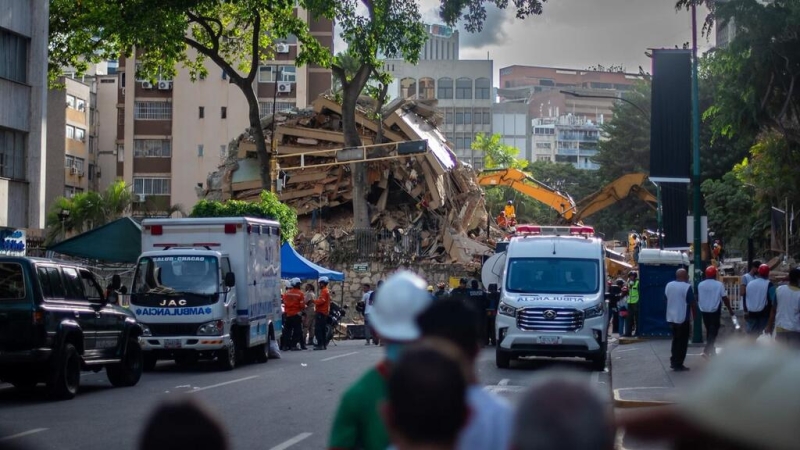
© UNDP Direct physical damage from the earthquake was approximately $6.7 billion.
Clearing rubble and restoring services
Clearing the rubble remains one of the most ambitious tasks. According to recent estimates, the earthquakes resulted in the formation of almost 2.1 million tons of debris – about the same weight as 288 Eiffel Towers.
However, clearing the area is not just removing construction debris. Roads must be cleared so ambulances can reach patients, hospitals can reopen, schools can welcome students, and families can return to their communities.
UNDP is working with the Government of Venezuela to develop a comprehensive approach to waste management. It involves sorting, recycling and reusing materials, as well as environmental compliance and measures to reduce the risk of future disasters.
Reconstruction also includes providing temporary and permanent housing, repairing water and sanitation systems, electrical grids, telecommunications, and gas supplies.
But reconstruction can help revitalize local economies by creating jobs in debris removal, waste management, and construction. In the state of La Guaira, for example, it plans to support the construction and metal industries, and in the longer term, to support the recovery of tourism, port and aviation activities. It must take into account the needs of families who have lost their homes, sources of income and sense of security.
“Women, children, older people, people with disabilities and other vulnerable groups need support tailored to their specific needs at all stages of recovery – from the design of housing and public spaces to ensuring access to basic services and social protection,” said UNDP Gender Equality and Social Inclusion Specialist Rebeca Madriz.
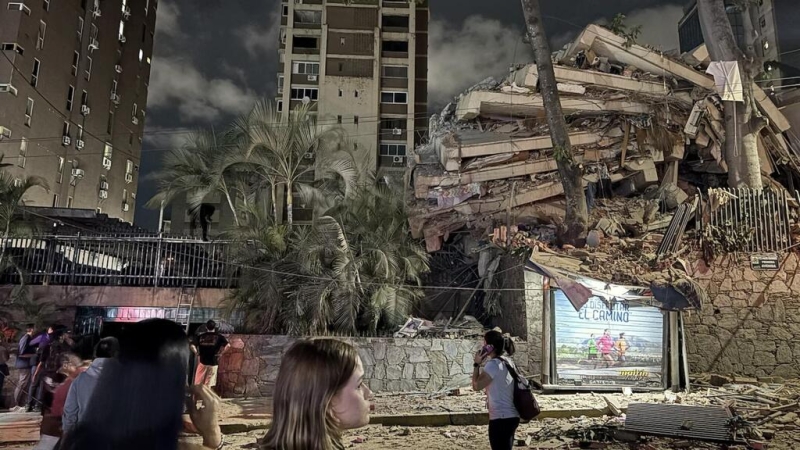
© UNDP Clearing the rubble remains one of the most ambitious tasks.
International support
Translating these urgent challenges into concrete action requires international support. South Korea has committed $3 million to clear and dispose of debris, restore basic services, assist households, and strengthen the capacity of government agencies and local communities.
It is expected that more than 47 thousand people will receive direct assistance under this initiative, and almost 177 thousand will receive indirect assistance. The support should help affected areas quickly restore essential services and create safer conditions for people to return.
The Global Fund to Fight AIDS, Tuberculosis and Malaria also approved $1.77 million in emergency funding. These funds will ensure continuity of HIV and TB treatment, strengthen diagnostic capacity, and provide mental health and social services to the population.
Funding is expected to help maintain access to needed treatment for more than 31,000 people living with HIV and nearly 2,400 patients with TB.
In addition In addition, UNDP, together with the famous Venezuelan conductor Gustavo Dudamel, launched an international fundraising campaign.
“Today, the true story of Venezuela is the story of the restoration of hope, opportunity and dignity. We must unite and help people rebuild their lives and their future,” said Dudamel.
As the UNDP notes, recovery begins not after the end of the emergency, but from the first days of the crisis – with decisions and actions that allow people to regain security and build their future.