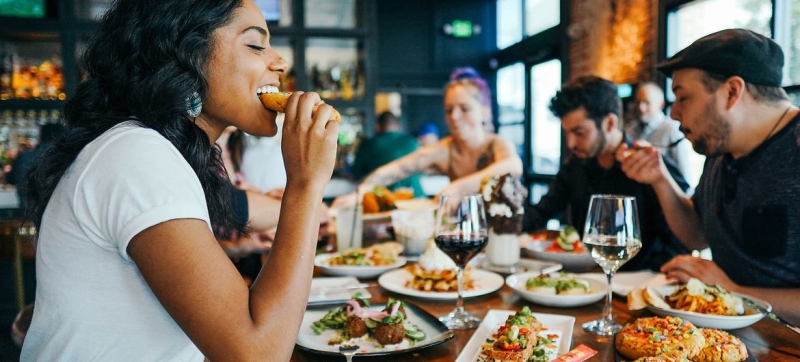

© Unsplash/A. Haney Restaurants can benefit from eco-friendly, responsible business practices, says chef Jaume Biarnes. INTERVIEW | From fermentation to seasonal produce: why responsible cooking is easy and delicious Culture and education
What do pickles, cheese and beer have in common? Fermentation, of course. This is one of the oldest methods of long-term food storage. Moreover, fermentation makes food tastier, emphasizes Barcelona-based chef Jaume Biarnes. He previously worked in Spain, at the legendary El Bulli, which was voted the best restaurant in the world five times, and now lives in New York and heads a Korean culinary studio. Lyudmila Blagonravova spoke with him on the eve of Sustainable Gastronomy Day, which is celebrated on June 18.
The official translation of the name of this day into Russian sounds a little strange. We are talking about responsible, environmentally friendly cooking, which means caring for the environment and preserving resources. Biarnes explained that restaurants can benefit from this approach and that anyone can be a responsible cook by following very simple rules. However, some chefs argue that today this is already a production necessity, dictated by savings and customer expectations. In your opinion, is this still a matter of choice or a new reality of the restaurant business?
ZhB:First you need to define the terms. “Resilience” is the ability to provide yourself with resources for the future so that you can continue to work. At the restaurant level, this means economic viability.
At the global level, for us as a species, it also means economic viability and the ability to conserve resources for future generations. Therefore, any green initiatives in a restaurant must meet both of these needs: the global environmental challenge and the interests of the business itself. With this in mind, stewardship of resources is a basic skill for any chef who runs a kitchen, especially when it comes to combating food waste and controlling expenses.
From this point of view, reducing food waste is a much simpler task than, for example, switching to local products. This is where logistical difficulties begin, because the modern supply chain is initially built not in favor of local producers.
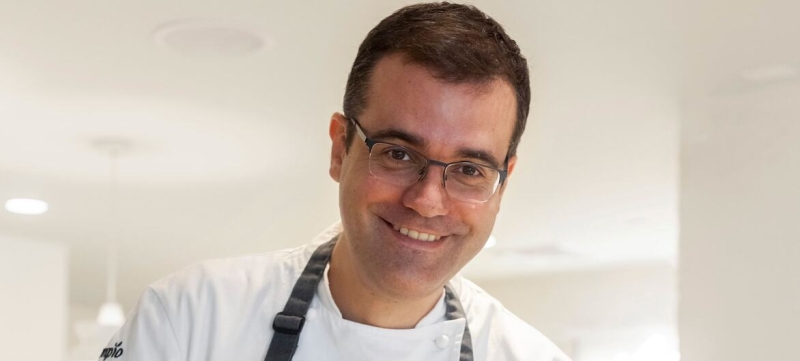
Photo from personal archive Chef Jaume Biarnes.
Chefs often have to go to great lengths to find such products. And they are very busy people, and there is often not enough time for this. We need to change the food distribution and supply system itself. This is precisely the problem that needs to be addressed so that restaurants can source local products easily and at a competitive price.
When it comes to recycling and minimizing waste, the choice is up to the individual establishment. In the USA, for example, disposable plates and glasses are used everywhere.
But in Europe, in many countries, the use of most of this plastic is already banned or severely limited. In this case, the initiative should come from the authorities: legislators should help businesses move from disposable materials to reusable tableware, or at least to recyclable plastic. “green”?
ZhB: In fact, there is nothing difficult about it if you have a clear plan and you move step by step, without harming the business.
Of course, the basis is always desire. And here it is very important to educate and understand that the contribution of every business is important in environmental matters. If a restaurant owner or chef wants to move towards sustainability, it is important to do it gradually – to do what is possible without compromising the business.
Let these be small steps. You may not be 100 percent the perfect eco-restaurant, but over time you will definitely get closer to the goal.
LB: In your cooking studio, you teach vegan cooking and place a big emphasis on fermentation. This is very interesting, because fermentation is one of the oldest environmental tools that humanity has. Tell us more about this.
ZhB: Yes, I actively promote Korean fermentation culture. It is an ancient tradition to ferment vegetables to preserve them and bring out their flavor.
Korea has the highest vegetable consumption rate in the world, and it’s all thanks to fermentation, which makes vegetables incredibly delicious. This is exactly the idea we are trying to convey at the Yondu culinary studio during our master classes and events. We encourage people to cook and eat more vegetables at home because they are simply delicious.
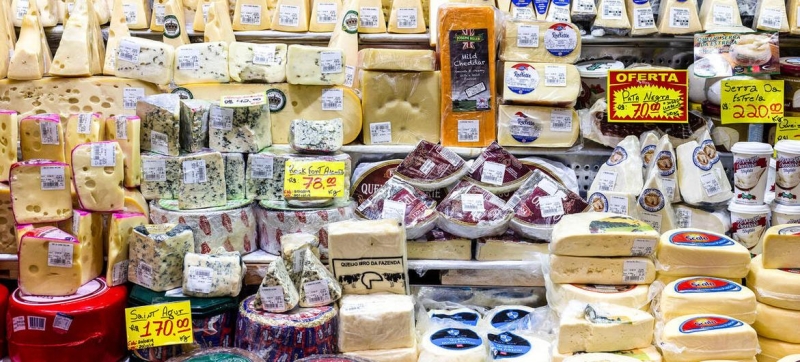
© FAO/M. Shinkariol Fermentation has been used for thousands of years in many regions of the world, including in cheese production.
The good thing about vegetables is that they make you feel good. Vitamins, fiber and everything else are bonuses, but the taste factor should come first. If we want people to eat more plant-based foods and be kinder to the planet, the process needs to be fun.
We can’t approach it from the perspective of “I should eat vegetables because it’s healthy or environmentally friendly.” This is secondary. The main thing is the taste and pleasure from the cooking process.
LB: But fermentation also prolongs the life of the products, right? And radically.
ZhB: Yes, fermentation is a traditional method of canning. Pickles, sauerkraut, cheese, beer – fermentation products are found all over the world.
Historically, this method was used both to preserve the harvest and to create a deep, rich flavor.
LB: You are originally from Catalonia, Spain, live in New York and work in a studio that promotes Korean cuisine. How culinary ideas cross borders and how cuisines influence each other in the modern world?
ZhB: We live in an era where ideas travel faster than ingredients. Most likely, you will first see a new recipe on TikTok or Instagram, and only after some time will you be able to find the necessary products in the store. I think it’s a very interesting time: people all over the world are discovering other culinary traditions. And for me, cuisine is always the key to understanding another culture. The kitchen and the table are the best way to find common ground.
This can be seen in diplomacy. It all starts with having dinner together. There is no better way to talk about your culture and express love for your country than to share your national dishes and products with someone.
Thanks to social networks, this is now happening on a massive scale. People share recipes, and they don’t just copy them, but mix them and create “fusion”. You take ingredients from other cultures, incorporate them into your everyday cooking, experience new flavors and broaden your horizons. This is exactly what we do with Korean products.
I don’t expect people to start cooking authentic Korean dishes at home every day, but some ingredients can make your regular food taste better.
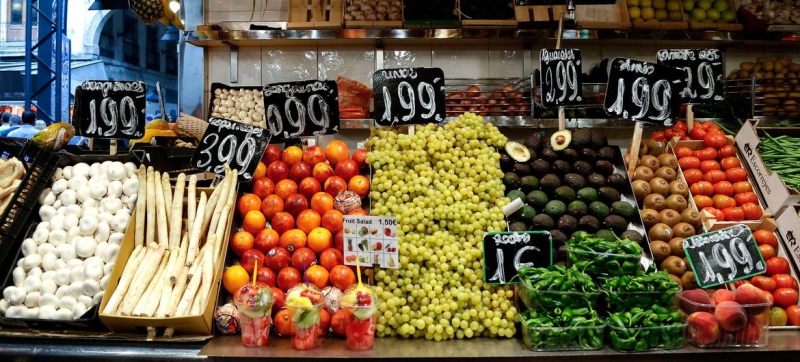
Photo FAO/A. Pierdomenico Biarnes reminds: local, seasonal products are the most delicious.
LB: Do you practice sustainability when cooking at home? Can you recommend some simple and realistic steps for our readers to cook more consciously at home?
ZB: Yes, at home I cook exclusively according to these principles. As I said before, being green means being economically sustainable. I love the famous Michael Pollan quote: “Eat food. Not too much. And mostly – vegetables.”
Basically, that’s all you need to know. In terms of specific actions, I would strongly recommend that everyone cook with basic ingredients. When you go to the store, buy whole ingredients rather than processed foods.
From a carbon footprint and environmental perspective, whole foods (especially fresh ones) are much greener. In addition, they are more often local. Always look at where the products were grown or produced.
Pay attention to the packaging. If the product was brought from the other side of the world, it is hardly environmentally friendly. And, most likely, it is not so tasty, because local products that have not been transported for a very long time always win in taste. At least because they are seasonal. Those products that are ripening right now in your region are what you need to cook from. They will be the most delicious and you will get maximum pleasure. I recommend going to your local farmer’s markets and choosing what’s in season.
Yes, you can find anything in supermarkets these days all year round, but who needs peaches in the winter? They’ll be tasteless. Therefore, it is important to understand the principle of seasonality. And if you buy whole foods and keep track of where they come from, the last step you can take is to reduce food waste.
Menu planning is a great help here. Use the freezer for preparations. Don’t buy too much. When you take a product from the store, you must clearly understand what and when you will prepare from it. Shop a few days in advance and don’t overstock. Then you won’t have to throw away the spoiled zucchini half.