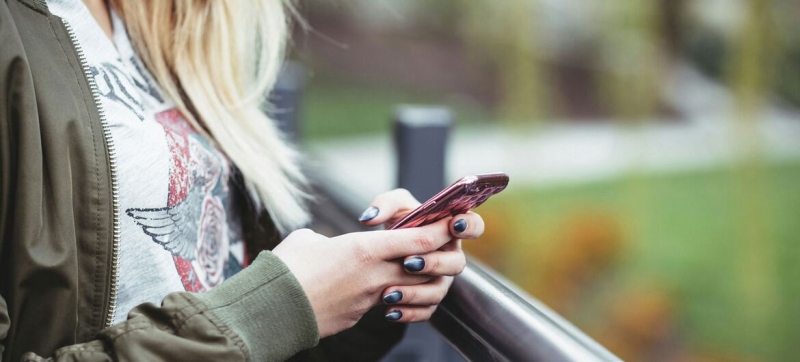

© Unsplash Almost half of female journalists admitted that they limit their activity on social networks due to threats and insults. Cases of online violence against women journalists have become more frequent and self-censorship is on the rise Women
The number of calls to the police regarding online violence against women working in the media has doubled since 2020. This is stated in a new report by UN Women, published on the eve of World Press Freedom Day, which is celebrated on May 3.
The authors of the report, prepared jointly with TheNerve and partners, warn that online violence against women, especially those who actively participate in public life, is becoming “more widespread and sophisticated.”
According to the study, 12 percent of women surveyed were human rights activists, journalists and other public figures reported about the unauthorized distribution of personal images, including intimate ones. Six percent have been victims of deepfakes, and nearly one in three have experienced unwanted sexual advances in digital messages.
Increasing pressure and self-censorship
The report’s authors emphasize that attacks are often targeted and coordinated and are aimed at undermining the professional reputation of women and pushing them out of the public space. insults – this is 50 percent more than in 2020. Almost 22 percent reported that they are forced to resort to self-censorship in their professional activities. health
Online violence has a serious impact on mental health. Nearly 25 percent of female media workers reported being diagnosed with anxiety disorders or depression related to such experiences, and about 13 percent experienced post-traumatic stress disorder.
“Artificial intelligence is making it easier for attackers to make their actions even more destructive, increasing the backsliding on human rights amid undermining democracy and the spread of online misogyny,” said UN Women representative Kalliopi Mingueru. In 2025, 22 percent of women journalists reported incidents of online violence to the police – twice the number in 2020.
Nearly 14 percent are also taking legal action against abusers or organizations facilitating violence.
Insufficient legal protection
Despite increasing awareness, legal protection remains limited. According to the World Bank, less than 40 percent of countries have laws protecting women from cyberstalking and online harassment.
As a result, about 44 percent of the world’s women and girls— approximately 1.8 billion people —are left without legal protection.
The UN emphasizes that without urgent action to strengthen regulation, accountability mechanisms for online platforms and support for victims, violence will continue to limit women’s freedom of expression and participation in public life.