

© UNDP Without critical minerals, the transition to green energy is impossible. Why critical minerals are suddenly at the center of world politics? Daniel Dickinson Economic Development
The production of electric vehicles, wind turbines, solar panels and smartphones requires minerals mined from the depths of the Earth. As countries accelerate their transition to clean energy by reducing fossil fuel consumption, demand for minerals such as lithium, cobalt, nickel, copper and graphite is soaring. This offers unprecedented economic opportunities for many countries, but in some regions competition for these resources is already leading to conflict, corruption, environmental destruction and human rights violations.
This week the UN Security Council is debating the critical issue of whether the minerals that enable the green energy transition can also serve as the basis for peace and sustainable development?
Why it matters exactly now?
Demand for critical minerals is growing exponentially as renewable energy and battery technologies expand.
Why they are are valued?
Without them, the transition to clean energy and the abandonment of fossil fuels, which accelerate climate change, is impossible.
What problem?
If poorly managed, valuable natural resources can become a source of conflict, corruption and environmental degradation.
What the UN is looking for?
Ensure that mineral wealth benefits local communities rather than becoming a source of funding violence.

© UNEP Electric buses at a gas station in Kenya.
What are critical minerals?
Critical minerals are essential components of many modern technologies, including:
- batteries for electric vehicles;
- wind turbines;
- solar panels;
- electric networks;
- smartphones and other electronics.
Without these minerals, many clean energy technologies simply could not exist.
Where are their main reserves?
Large deposits are located in Africa, Latin America and parts of Asia.
For many countries that produce these resources, they offer enormous opportunities for creating jobs, diversifying the economy and increasing government income.
However, success largely depends on how efficiently and responsibly these natural resources are extracted and used.
Why demand is growing so fast?
The global transition to clean energy is gaining momentum rpm.
- Making an electric car requires approximately six times more minerals than a car with an internal combustion engine.
- Offshore wind farms use approximately v 13 times more mineral resources than conventional ones.
- Demand for many critical minerals is expected to triple by 2030.
According to many experts, their its strategic importance today is comparable to the role oil played in the 20th century.
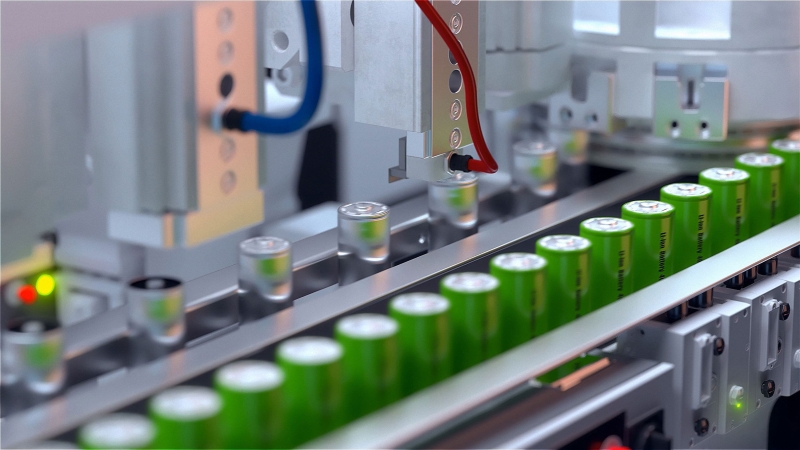
© Adobe Stock/Unlimit3d Production of lithium-ion batteries.
Isn’t mining harmful to the environment?
Mining is necessary, but if not properly regulated, it can cause serious damage to the environment.
Poorly controlled mining can lead to to:
- deforestation;
- water pollution;
- loss of biodiversity;
- soil degradation;
- increasing greenhouse gas emissions.
Many deposits are located near indigenous territories and in environmentally sensitive areas areas.
The main question is not whether it is necessary to extract these minerals, but how to approach this with responsibility.