World leaders will gather in New York: what to expect from the High-Level Week of the UN General Assembly
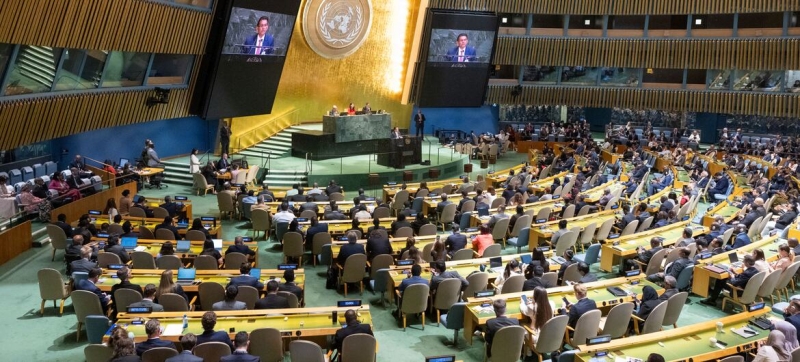
Photo UN/E. Debebe Meeting room of the UN General Assembly. World leaders will gather in New York: what to expect from the High-Level Week of the UN General Assembly UN
In September, New York will once again become the center of global diplomacy. Heads of state and government, ministers and diplomats from all over the world will gather at the UN headquarters. The focus is on war and international security, climate change, the threat of new pandemics, sea level rise, the fight against racism and the implementation of the Sustainable Development Goals. The high-level week of the 81st session of the General Assembly will take place against the backdrop of numerous crises and growing differences between states.
The General Assembly operates in annual sessions, each of which begins in September and continues throughout the year. Member states elect a new President of the General Assembly to preside over the work of each session. The 81st session will be chaired by Khalilur Rahman from Bangladesh and its main theme will be “Restoring Trust, Managing Change: A United Nations that Works for All.”
The main diplomatic tribune of the world
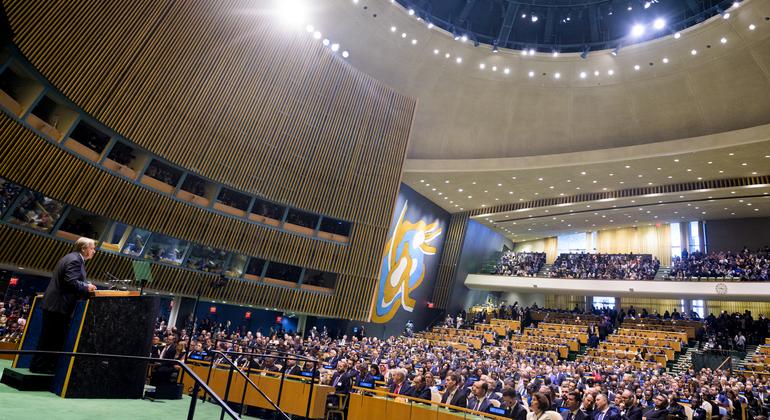
The central event will be the general debate of the General Assembly, which will begin on September 22. It is on these days that the familiar green marble podium in the General Assembly Hall will be occupied one by one by presidents, prime ministers and other high-ranking representatives of states.
Unlike the Security Council, where decisions on peace and security issues can be blocked by five permanent members, all 193 UN member states are represented in the General Assembly, and each of them has one equal voice.
One of the features of the General Assembly is the seating order of delegations, which changes with each session. The Secretary General, by drawing lots, determines the state that will take first place in the General Assembly hall, and the remaining countries are located behind it in English alphabetical order. Morocco will take center stage during the 81st session, both on the General Assembly floor and in its Main Committees.
The general debate is an opportunity for countries to publicly express their positions on major world issues. Wars and conflicts, economic instability, humanitarian crises, climate, development and new technologies are traditionally the main topics of speeches.
But an important part of the week takes place outside the television cameras. Hundreds of bilateral and multilateral meetings will take place on the sidelines of the General Assembly. For world leaders, a few September days in New York provide a rare opportunity to meet virtually all of their key partners and opponents in one place.
Will the world meet its 2030 promise?
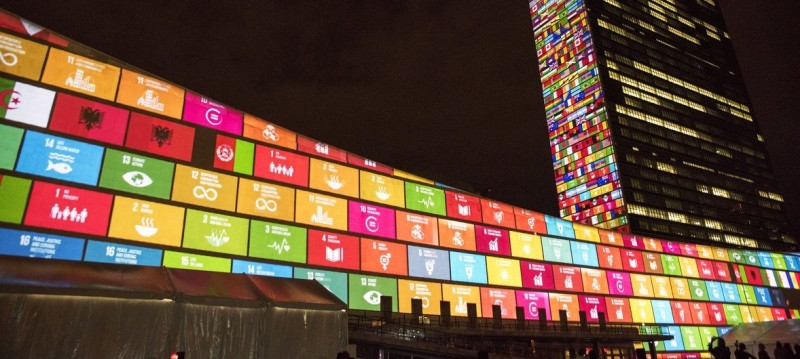
Photo UN/Ch. Pak UN headquarters building in New York with SDG illustration (archived, September 2015)
In 2015, the world’s nations agreed to achieve progress in 17 areas by 2030, from ending extreme poverty and hunger to ensuring access to education, clean water and energy.
With only a few years left until the deadline, the review is intended not so much to sum up the latest results, but to show where change is already happening and what solutions can be used in other countries and regions.
Climate: the new reality
On September 23, UN Secretary-General Antonio Guterres will gather leaders for a special meeting on climate action and a just transition.
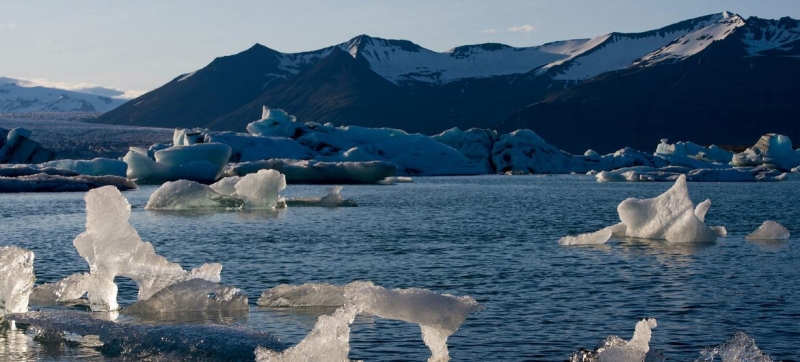
The UN admits that the climate crisis has entered a new phase, and temporarily exceeding the warming threshold of 1.5 degrees becomes inevitable. So the conversation is now both about sharply reducing emissions and how to protect people from the consequences of the changes already taking place.
Photo UN/E. Debebe Climate change is causing glaciers to melt rapidly.
The meeting will discuss the transition to renewable energy, energy security, financing for developing countries and assistance to countries particularly vulnerable to climate change.
The next day, September 24, leaders will separately discuss one of the most visible threats of global warming: rising sea levels.
For residents of small island states and low-lying coastal areas, this is not a distant forecast. Rising waters are already threatening homes, infrastructure, fresh water supplies and, in some cases, the very existence of populated areas.
The purpose of the meeting is to achieve greater international cooperation and concrete commitments to protect the most vulnerable countries and communities.
Is the world ready for the next pandemic?
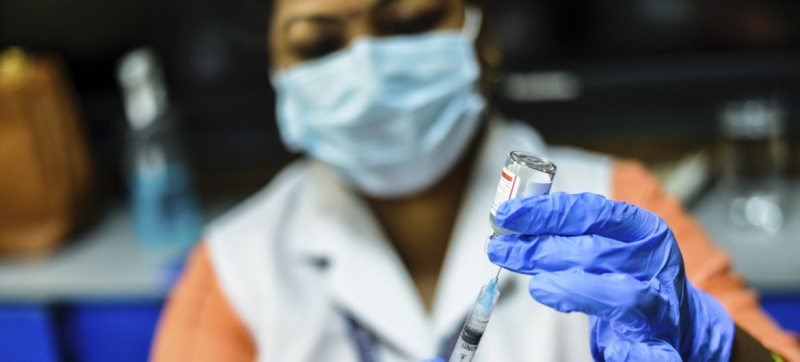
On September 25, heads of state and government will return to the lessons of COVID-19. The pandemic has shown how quickly a local outbreak can turn into a global crisis—and how unevenly countries access vaccines, medicines and other vital resources.
Meeting participants will discuss how to better prevent new pandemics, prepare health systems for them, and ensure a more equitable international response in the event of a new emergency.
States are expected to endorse the political declaration agreed upon during intergovernmental negotiations.
The right to development
Another major meeting will be held on September 23 and will be dedicated to the 40th anniversary of the UN Declaration on the Right to Development.
Adopted by the General Assembly in 1986, the document enshrined the idea that development is not only economic growth. People should be able to participate in decision-making, enjoy the benefits of economic progress and receive equal opportunities.
Four decades later, these questions remain particularly relevant given the huge gaps in income and opportunity between and within countries.
Combating racism – a quarter of a century later
On 28 September, the UN will mark the 25th anniversary of the Durban Declaration and Program of Action – one of the main international documents in the fight against racism, racial discrimination, xenophobia and related intolerance.
The Declaration was adopted at the World Conference against Racism in Durban, South Africa in 2001. The anniversary meeting should be an occasion to take stock of what has been achieved in a quarter of a century and why racial discrimination continues to be a problem in many countries.
Nuclear weapons
The series of major meetings will conclude on September 29 with a meeting dedicated to the International Day for the Total Elimination of Nuclear Weapons.
Not “we, the strong.” Not “we, the winners.” “We the peoples”, convinced that together we are safer, stronger and more humane
Nuclear disarmament was one of the first tasks of the United Nations created after the Second World War: the first resolution of the General Assembly in 1946 was devoted to this topic
Eight decades later, nuclear weapons have not disappeared, and the risk of their use is once again at the center of the international agenda. The UN continues to consider the complete elimination of nuclear weapons its top disarmament priority.
“We the Peoples”
This high-level week will come at a time when the ability of nations to act together is increasingly being tested, from ongoing wars to the climate crisis and growing economic inequality.
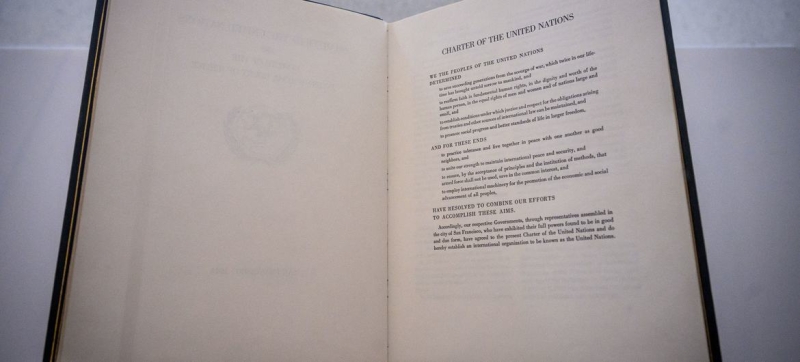
Photo UN/L. Felipe The UN Charter was signed on June 26, 1945 in San Francisco, California.
UN Secretary-General Antonio Guterres recently recalled the first words of the Organization’s Charter – “We the peoples”. “Not “we, the strong.” Not “we, the winners.” “We the peoples are convinced that together we are safer, together we are stronger and more humane,” said the head of the UN.
Within a few days in September it will become clearer how states are ready to follow this principle in practice.
Change leadership
81st session will also be the last session of the General Assembly to begin under António Guterres as Secretary-General. His second and final five-year term will end on December 31, 2026, after ten years at the helm of the United Nations.
The process of selecting his successor is already underway. According to the UN Charter, the Secretary-General is appointed by the General Assembly on the recommendation of the Security Council.
The new Secretary-General will take office on January 1, 2027. He will lead the Organization through a period of war and geopolitical strife, severe strain on the international humanitarian system, climate crisis and financial difficulties – the same issues that will largely shape this week’s high-level agenda