
© Adobe Stock/Johnstocker Record heat waves, devastating floods and extreme weather are signs of a rapidly warming planet. “The fight for humanity”: to avoid climate disaster, we need to act now Climate and environment
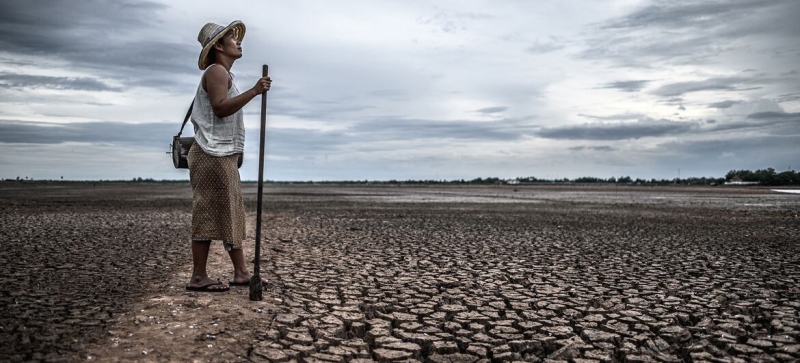
Humanity is still capable of avoiding climate catastrophe, but to do this we need to act immediately. This is the main message of a report released on Tuesday by the United Nations Environment Program (UNEP). Record heat waves, devastating floods and extreme weather are all signs, according to the report’s authors, of a rapidly warming planet that will soon push Earth’s climate beyond safe temperatures.
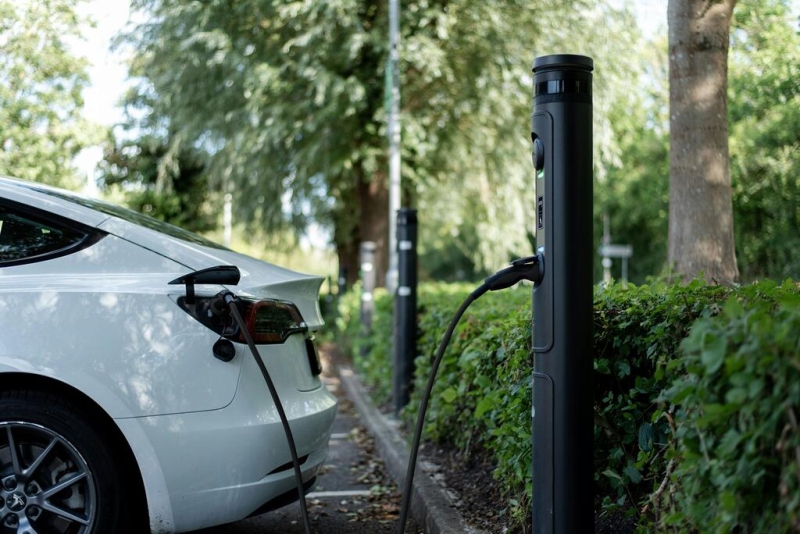
“The fight for 1.5 degrees is a fight for humanity,” said UN Secretary-General Antonio Guterres. “We are likely to exceed the 1.5°C limit in the next few years.” The 2015 Paris Agreement committed world leaders to curb rising temperatures, but the report highlights that the international community is failing to deliver on that promise. “Extreme heat waves are already showing that climate impacts will come faster, hit harder and last longer, costing lives and causing deep disruption,” the head said UNEP Inger Andersen. The need to redouble efforts now is to reduce greenhouse gas emissions, strengthen resilience and adaptation. “Every fraction of a degree will cost lives, destroy livelihoods, increase inequality and push ecosystems towards irreversible damage,” said António Guterres. “Humanity is rapidly approaching the point at which it will be impossible to avoid climate catastrophe.” However, according to the UN chief, quick and decisive action can still put the world back on a safe path: “We need to make the excess as small and brief as possible – limiting how high the temperature will rise and how long it will remain above the threshold.” © Unsplash/Ratio EV Charging A “drive of ambition” is needed: an accelerated transition away from fossil fuels, a renewable energy revolution, dramatic reductions in methane emissions, and protection of lands, forests and oceans. This requires a “leverage of ambition”: an accelerated transition away from fossil fuels, a renewable energy revolution, dramatic reductions in methane emissions, and protection of lands, forests and oceans. Governments must meet and exceed their national climate plans and net-zero emissions commitments, and developed countries must triple adaptation funding and direct it to those most affected risk. Key findings of the report: • At temperatures above 1.5°C, risks and negative impacts will increase every year and every fraction of a degree: humanity is threatened by extreme weather, loss of ecosystems, inundation of small island states and low-lying cities, damage to health, food security, water supplies, infrastructure and economy. • The likelihood of reaching irreversible “points of no return” is growing, including the destabilization of large ice sheets and the degradation of the Amazon. • Mitigation and adaptation efforts must proceed in parallel. • “Net-zero emissions” is just a step on the path to negative emissions. • Success will require political will, better policies, inclusive governance and financing. • The countries most responsible for climate change must act faster and with more ambition.