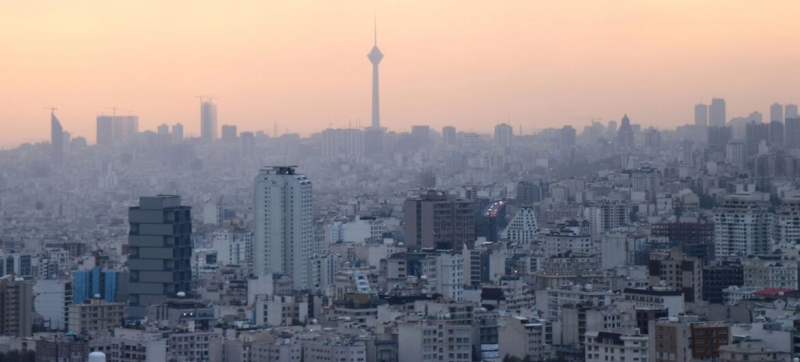

© Unsplash/M. Taksh The capital of Iran is Tehran. Middle East: US and Iran exchange blows, civilians again under fire Peace and Security
The United States and Iran continue to trade deadly strikes for a second week, as the United Nations reiterates its call for de-escalation and the conflict’s devastating impact on civilians and critical infrastructure across the Middle East.
“We are gravely concerned about the renewed surge in fighting and renewed escalation across large parts of the region,” UN spokesman Stephane Dujarric said in New York on Monday. “Immediate de-escalation is vital.”
He stressed that, as in any armed conflict, the protection of civilians and civilian objects is critical. He said vital infrastructure on which people depended on for their lives, including hospitals and water supplies, must remain inviolable. Yemen
The spokesman also said that the UN is “extremely concerned” by new threats made by Yemen’s Houthis against Saudi Arabia, as well as their statements about freedom of navigation in the strategic sea lanes of the Red Sea off the coast of Yemen. According to the UN official, this raises the risk of further escalation of the conflict throughout the region.
Dujarric again called on all parties to immediately reduce tensions and overcome differences through dialogue and diplomacy.
Fear and uncertainty
Renewed hostilities between the United States and Iran over the Strait of Hormuz have dashed hopes for peace raised by the signing of a memorandum of understanding between Washington and Tehran in June.
The agreement was supposed to end the fighting that began in February when the United States and Israel launched strikes on territory in Iran, followed by retaliatory strikes by Tehran against targets in several Gulf countries and Jordan.
“Across the Middle East, civilians are again living in fear and uncertainty due to repeated strikes, and health systems are being forced to cope with their consequences,” Dr. Hanan, the World Health Organization’s (WHO) regional director for the Eastern Mediterranean, said on Monday. Balkhi.
Situation in Iran
According to Balkhi, Iranian health authorities reported that 50 people have died in the country since the beginning of the month and more than 500 have been injured. Among the dead and injured are women and children. Critical infrastructure was also hit.
Dr. Balkhi pointed to reports that a desalination plant in Hormozgan province in the south of the country was hit, leaving thousands without access to safe drinking water. Meanwhile, explosions near the Bagaei Specialist Hospital last week forced the evacuation of children being treated for cancer.The International Atomic Energy Agency (IAEA) said on Sunday it was looking into reports of an overnight attack on the site of the Darkhovin nuclear power plant under construction in Iran. The agency noted that the site is in the very early stages of construction and did not contain nuclear materials at the time of its last inspection. activities.
Implications for the Gulf States
WHO also reported on the consequences of the conflict in other countries in the region. Thus, in Qatar, five civilians were injured by shrapnel. In neighboring Kuwait, authorities reported casualties and extensive damage after an oil facility was hit. Power plants and desalination plants were also hit, injuring one person and knocking out several power units.
“These incidents increasingly pose a threat to civilians and the environment, while increasing the burden on emergency response services and health systems,” Dr. Balkhi said.
In response, WHO reiterated its call for immediate de-escalation throughout the Middle East and recalled the need to protect civilians and medical facilities in accordance with international humanitarian law.