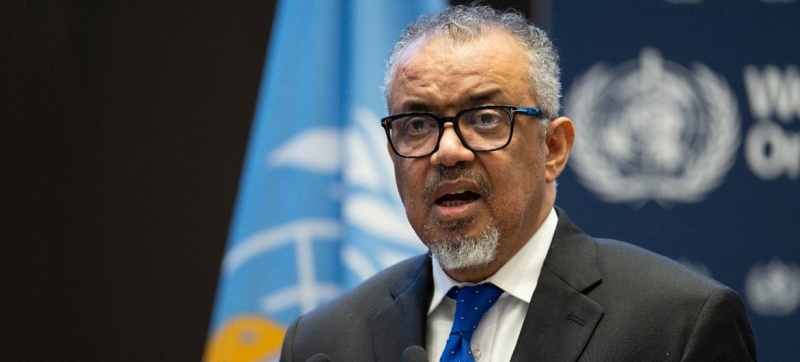

© WHO WHO Director General speaks at a briefing in Geneva. Photo from the archive WHO chief calls on DR Congo residents for a ceasefire to fight Ebola Healthcare
World Health Organization Director-General Tedros Adhanom Ghebreyesus made an emotional appeal to the people of the Democratic Republic of the Congo, especially to the population of Ituri province, where more than 90 percent of all cases of the new Ebola outbreak are now concentrated. In a message published by WHO, he emphasized that he was speaking not as an official, but as a person who knows the region and its people well.
Dr. Tedros recalled that he personally visited North Kivu fourteen times during the 2018-2020 outbreak, meeting with families of the victims, doctors and local community leaders. The villagers then gave him a name to indicate his belonging to their community: “When I told them that I was the firstborn in the family, they gave me the name Dr. Paluku. I wear this name with pride. It’s not just a name, it’s a link.” One of the key points of the appeal was a direct call to all armed groups in the region: “Please declare a ceasefire. Even for a short time. At least to allow medical workers to pass through.” The head of WHO emphasized that no disagreement can justify creating obstacles to saving lives. He reiterated that the current outbreak is caused by a virus for which there are no approved vaccines or specific treatments yet. The head of the WHO emphasized that early seeking medical help significantly increases the chances of survival. Tedros specifically addressed the young people of Ituri, calling them “the future of the province and the whole country,” and called for disseminating reliable information about Ebola to “dispel fear and break the silence.” The WHO director-general confirmed that he will soon personally arrive in the DRC: “I will not deal with this problem in a comfortable office, from afar.” He stressed that WHO teams are already on the ground and will remain in Ituri as long as necessary. Tedros concluded by addressing the people of Ituri as “brothers and sisters,” noting their resilience and courage: “We will definitely get through this… Thanks to you.”