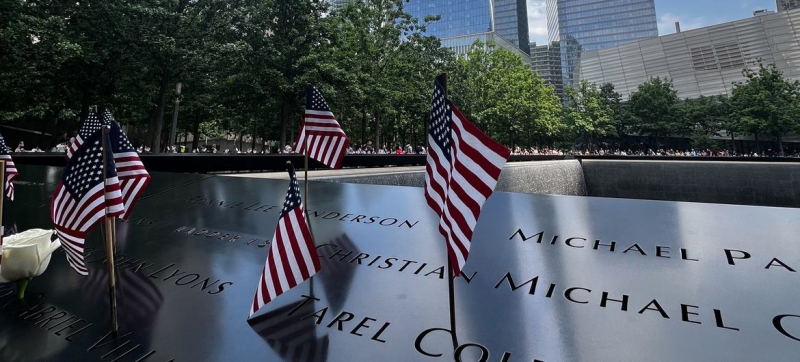

UN News Service/D. Dickinson Memorial dedicated to the victims of the September 11, 2001 terrorist attacks in New York. Independent UN experts: “wars on terrorism” have undermined human rights and have not made the world safer Human Rights
On the eve of the anniversary of the September 11 attacks, independent UN experts recalled the thousands of deaths in the United States and millions of people around the world who suffered both from terrorist violence and from “excessive measures” taken by states under the pretext of fighting terrorism.
According to independent UN experts, after September 11, 2001, many countries provided effective assistance to victims of terrorism, strengthened their security and at the same time maintained respect for human rights. However, in a significant number of cases, the response has been “unjustified and disproportionate,” leading to a systemic weakening of democracy, civil society and the rule of law. In their statement, human rights activists listed a wide range of violations exposed around the world over the past 25 years: wars of aggression, illegal occupations, massive war crimes, torture, extrajudicial killings, kidnappings, secret prisons and unfair military courts. The statement said some states had “stretched fundamental norms of international law to the breaking point,” justifying excessive use of force on grounds of self-defense. State violence and external interventions have been assessed by experts to have contributed to the spread of terrorism, as happened with the emergence and rise of the Islamic State following the 2003 invasion of Iraq. Pressure on civil society and the vulnerable groupsA separate block of the statement is devoted to how anti-terrorism measures are used to suppress civil activity. Human rights defenders, journalists, scientists, artists, environmentalists, representatives of minorities, migrants and refugees are under attack. Restrictions on freedom of speech, assembly and participation in public life have become “routine” in a number of countries. Abuses, according to UN human rights activists, have also affected children, women and members of various ethnic groups, who have been subjected to arbitrary detention, stigmatization and discrimination. In some states, temporary emergency measures have become permanent, and excessive terrorism laws have become a tool of political pressure.
Technology out of control and the role of the Security Council
The statement emphasizes that new technologies, including mass surveillance tools, artificial intelligence, drones and other autonomous weapons systems, have become a “key driver of violations” because they are used without sufficient safeguards and control. The experts’ criticism was also addressed to the UN Security Council, which, in their opinion, required states to introduce “overly invasive measures” without providing clear definitions of terrorism and the necessary legal protections. Human rights activists called on states to review anti-terrorism legislation, ensure independent oversight, stop violations and guarantee the protection of both victims of terrorism and those who suffered from illegal measures in the fight against him. Independent experts are appointed by the UN Human Rights Council. They are not UN employees and do not receive wages for their work. Experts act in their personal capacity and independently of governments or any organizations.