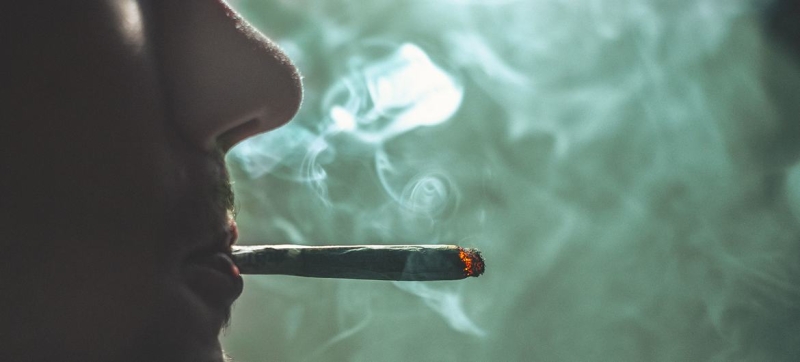

© Unsplash WHO records an increase in the number of people seeking treatment for cannabis use disorders. New data shows increasing risks associated with cannabis use Healthcare
The World Health Organization (WHO) has provided an updated overview of the consequences of non-medical cannabis use for the first time since 2016. Over the past ten years, the situation has changed so much that, according to experts, previous conclusions no longer reflect reality. New varieties, new methods of consumption, changes in legislation and growing scientific evidence have forced experts to reconsider approaches to risk assessment.
Cannabis remains the most widely used psychoactive substance in the world, with approximately 250 million people using it in 2024. “Since the previous report, there have been significant changes in cannabis formulations, policy and research,” the document states. The organization recalls that in 2020, following a WHO recommendation, the UN Commission on Drugs removed cannabis from the most restrictive category of controls, facilitating scientific research. However, this does not mean that the substance has become safe. On the contrary, new data shows an increase in risks, especially for adolescents and young adults. WHO records an increase in the number of people seeking treatment for cannabis use disorders. Experts emphasize that today’s products often contain significantly higher concentrations of tetrahydrocannabinol, the main psychoactive component of cannabis, than a decade ago, increasing both short- and long-term negative effects.
Short-term and long-term effects
Short-term effects include impairments in perception, attention and coordination, which increases the risk of injury, especially on the roads. The document also describes cases of panic attacks, hallucinations and emergency room visits. Long-term effects are even more dangerous. Regular use can lead to addiction, and the risk of addiction is approximately one in ten among those who have ever used cannabis. The document emphasizes that addiction is accompanied by tolerance, withdrawal syndrome and decreased control over use.
Danger for adolescents
The report pays special attention to adolescents: regular use at a young age is associated with impaired cognitive development, an increased risk of psychosis and depressive disorders. The WHO says new research confirms a link between cannabis use and an increased likelihood of psychotic episodes, especially in people with a genetic predisposition. The updated review also touches on the physical effects of cannabis use, from respiratory problems to cardiovascular risks. The paper concludes: “Cannabis smoking may be associated with coronary problems in young people who are generally at low risk.”