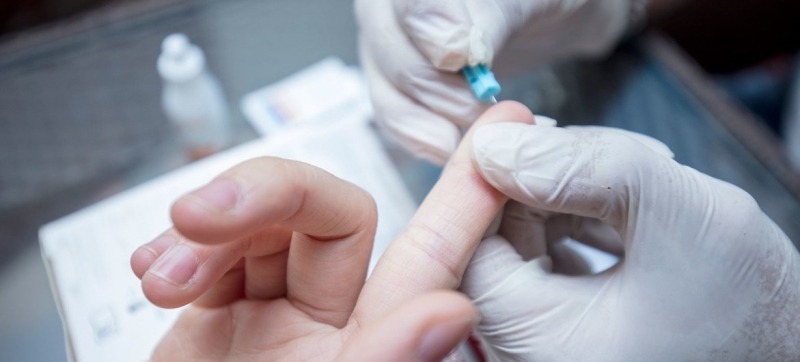

© UN Women In 2025, approximately 2.27 million children and adolescents aged 19 years were living with HIV worldwide. New data on HIV: children and adolescents remain at risk Healthcare
New global HIV assessments for 2026 show that children and adolescents continue to face significant gaps in access to prevention, diagnosis and treatment. The situation is of particular concern to experts amid cuts in international funding and disruptions in the provision of health services, which could undo the progress made in recent years.
According to UNICEF experts, in 2025, about 2.27 million children and adolescents under the age of 19 were living with HIV in the world. During the year, approximately 240 thousand people became infected in this age group. About 74 thousand children and adolescents died from AIDS-related causes.
The situation remains most severe among children under 15 years of age: in 2025, about 1.26 million children in this age category were living with HIV. During the same period, about 93 thousand new infections and 61 thousand AIDS-related deaths were registered. This means that every day, approximately 255 children became infected with HIV, and 167 children died from illnesses associated with the virus. Only 65 percent of children under 14 years of age with HIV are aware of their diagnosis, compared with 89 percent of adults. Only 55 percent of children living with HIV receive antiretroviral therapy, compared with 79 percent of adults.
The release of new data coincides with an important milestone in the global fight against HIV. The Joint United Nations Program on HIV/AIDS (UNAIDS) Special Report 2026, presented at the International AIDS Conference in Rio de Janeiro, warns that cuts in international assistance and disruptions to prevention and community programs could slow or even reverse progress.
Key directions
Experts believe that in the coming years the global community needs to focus on several key areas. First of all, we are talking about preventing mother-to-child transmission of HIV and accelerating progress in completely eliminating the transmission of HIV, syphilis and hepatitis B. It is equally important to reduce the gap in access to treatment for children and adolescents through earlier diagnosis, improving pediatric treatment and ensuring continuity of care. also expanding equal access to effective preventive programs and services in the field of sexual and reproductive health. Experts emphasize that in an environment of dwindling financial resources, it is critical to use quality and timely data to identify emerging problems and direct funds to where they can make the most impact.