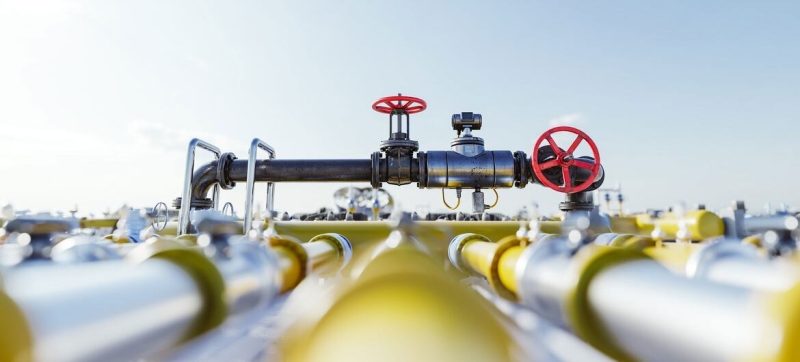

© Adobe Stock/Photocreo Bednare Exports of liquefied natural gas (LNG) through the Strait of Hormuz have fallen by 95 percent. Shipping disruptions in the Strait of Hormuz continue to impact global trade Economic development
Shipping disruptions in the Strait of Hormuz have led to serious disruptions in the supply of energy, fertilizers and industrial raw materials, according to a new analytical review by the International Trade Center (ITC). Despite the fact that importing countries have begun to look for alternative suppliers, the losses have not yet been fully compensated succeeded.
Since late February, the decline in commercial shipping through the Strait of Hormuz, as well as rising transport and insurance costs, have had an impact on trade flows far beyond the Gulf region, according to ITC. Although efforts are being made to restore regular shipping, traffic volumes remain well below normal levels.
Exports have declined sharply
The Strait of Hormuz is one of the world’s most important maritime transport corridors. About a quarter of the world’s seaborne oil supplies, a significant part of the liquefied natural gas (LNG) trade, and about a third of the world’s urea exports pass through it.
Preliminary data for April 2026 shows a significant decline in exports from countries dependent on the Strait of Hormuz. The total volume of shipments for 12 key products decreased by 54 percent compared to April last year. The sharpest drop was recorded in the export of liquefied natural gas (95 percent), urea (83 percent), methanol (80 percent), and ammonia (75 percent). percent).
The largest absolute losses occurred in the energy sector. Exports of crude oil decreased by 28 million tons, petroleum products by 7.3 million tons, LNG by 5.5 million tons. Experts note that the disruptions affected not only the energy sector, but also the supply of fertilizers, chemicals, plastics and aluminum, disrupting a wide range of industries and production chains.
Importers are looking for new suppliers
The impact of the crisis varied across countries. It depended on the level of previous dependence on suppliers in the region, the availability of inventories, domestic demand and the ability to quickly redirect imports.
Supplies from alternative sources increased in 10 of the 12 product categories studied. The most significant increase in supplies of liquefied butane and liquefied natural gas was provided by the United States, and China became an important additional supplier of ethylene and propylene polymers. polypropylene.
According to the ITC, this indicates that the process of trade reorientation has already begun, but in April has not yet been able to fully replace the disrupted supplies. Some countries were probably forced to use accumulated reserves, strategic reserves, increase their own production or reduce consumption. percentage of imported crude oil from countries in the region, recorded a decline in total oil imports by 64 percent. percent).
At the same time, Thailand increased its oil imports by 62 percent as refiners were able to quickly attract additional supplies from alternative sources.
Consequences may be long-term
The ITC warn that the economic consequences of the crisis may manifest themselves for a long time even after the restoration of normal shipping. According to the organization, risks associated with delivery delays, depletion of inventories, disruption of transportation schedules, as well as high transport and insurance costs remain. expenses.
At the same time, recent events indicate that the timing of full normalization remains uncertain.