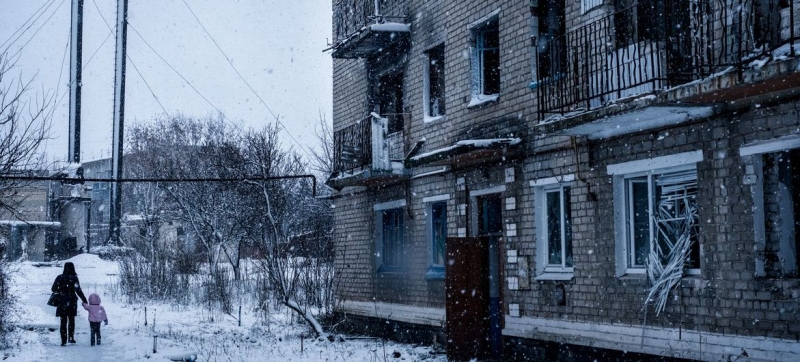

© UNICEF/E. Gilbertson In eastern Ukraine, thousands of housing units are in need of repair. Humanitarian Community Launches Winter Response Plan for Ukraine Humanitarian assistance
Humanitarian organizations have unveiled a Winter Response Plan for 2026-2027, calling for $358.4 million to support 2.1 million Ukrainians facing another harsh winter amid the ongoing war.
Intensifying hostilities, repeated displacement of people and systematic attacks on critical energy infrastructure are increasing the vulnerability of the population, especially in areas close to the front lines. The plan takes into account the experience of the past winter season, when attacks on energy facilities led to widespread outages of electricity, heating and water, affecting millions of people in both front-line areas and major cities. Recognizing the leading role of the Ukrainian government in preparing for winter, the humanitarian community is focusing its efforts on supporting the most vulnerable populations. From October 2026 to March 2027, humanitarian organizations plan to provide Ukrainians with heating assistance, home repairs, and access to medical services, social protection, food and monetary support.
Preparing for winter
“Preparing for winter cannot begin with the first snow – it must begin now,” said UN humanitarian assistance coordinator in Ukraine Matthias Schmale. “Last winter showed that attacks on energy infrastructure can leave families without heat, light or water for days and sometimes weeks in freezing conditions. Humanitarian actors are preparing ahead of time to help people before the cold weather sets in.”
Priorities and Funding
The winter plan is aligned with the priorities of the 2026 Humanitarian Response Plan and aims to support people living closest to the front lines, those recently displaced and evacuated, those affected by attacks on civilian infrastructure, and populations that are at risk and may be left without help. To cover critical funding gaps, the Humanitarian Fund for Ukraine announced the allocation of $50 million. This amount will complement the efforts of donors and will help quickly respond to changing situations.