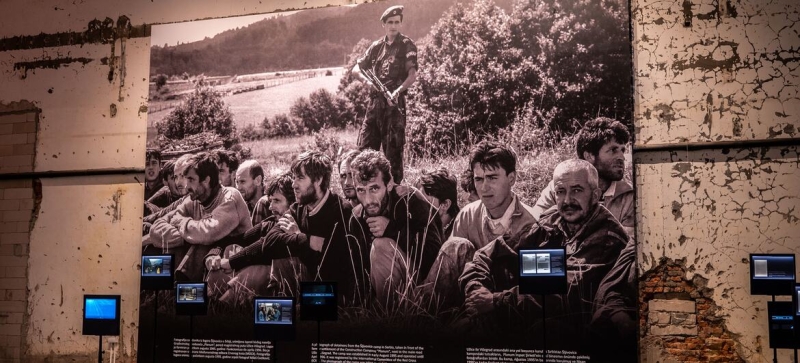

UN/D. Zhecevich Exhibition at the Srebrenica Memorial Centre. Srebrenica: Genocide survivors continue to fight to preserve memories and resist denial of the tragedy Human rights
Three survivors of the July 1995 genocide in Srebrenica in Bosnia and Herzegovina told UN News how they are keeping alive the memory of the more than 8,300 men and boys killed there and resisting growing attempts to deny the massacre.
Bosnian Muslims were killed by Bosnian Serb forces in a city declared a safe zone by the UN Security Council. Later, the UN recognized the failure of the international community, which was unable to prevent genocide.
Three survivors of these events described how, as curators and archivists at the Srebrenica Memorial Centre, they strive to preserve the truth about what happened. The memorial center is located exactly where thousands of people once sought protection from UN peacekeepers.
Almasa Salihovic: I was eight years old when I survived the genocide in Srebrenica. During the genocide, my brother was killed, as well as uncles on both the maternal and paternal side. A total of 8,372 people were killed.
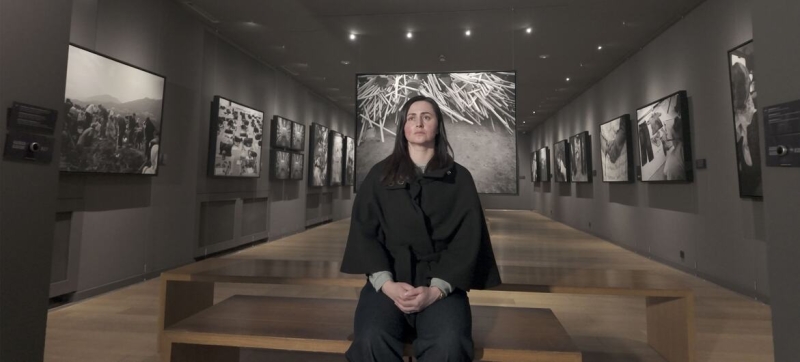
UN News Service/N. Beriro Almasa Salikhovich, representative of the Memorial Center.
Azir Osmanovich: There was a checkpoint on the main road where men and boys were separated from the rest. Then many of them were killed.
Almasa Salikhovich: I firmly believe that memory helps you heal – both yourself and your family. Every time I tell the story of my brother, my family, I understand that I am telling our common story. Srebrenica
That is why five years ago I decided to start working at the Srebrenica Memorial Center. I have always wanted to contribute to the preservation of memory.
Amra Begić Fazlić: Between 1992 and 1995 we we fled Srebrenica. But in 2003 I decided to come back and try to live here again. It wasn’t easy.
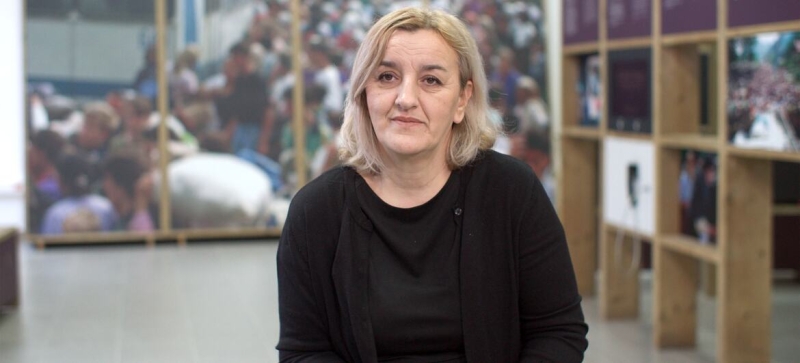
UN News Service/N. Beriro Amra Begic Fazlic
Most of us who returned were guided by one thought: we should be closer to our loved ones. To complete the process of identifying them, to bury them here at the Memorial Center, and to have a place to come to honor their memory.
Azir Osmanovic: This is part of our history, and I consider it my duty to talk about the genocide in Srebrenica and everything that we are here survived. This is not only my personal story – it is the story of thousands of people who were in the besieged city.
Personal belongings of the victims of the genocide, found in mass graves next to their remains, are kept here. This shoe belonged to my cousin. He was 16 years old when he was killed. His two brothers were also killed.
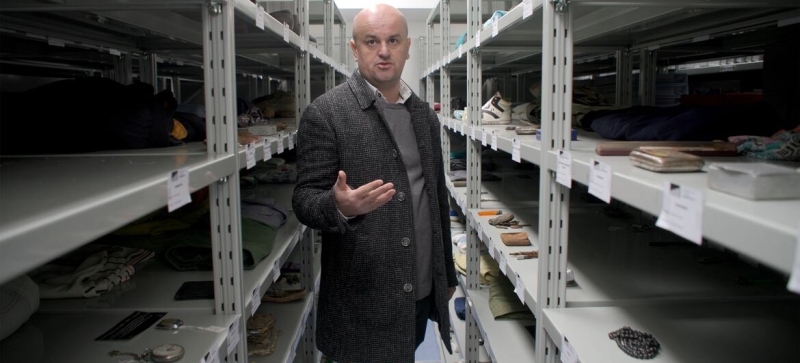
UN News Service/N. Beriro Curator of the Memorial Center Azir Osmanovich.
Almasa Salikhovich: What scares me most is that people deny what happened. Today, the younger generation is growing up hearing false claims that there was no genocide, that there were no war crimes, and that all those killed were soldiers. But here, at the Memorial Center, we rely only on facts.
Amra Begic Fazlic: According to the generally accepted definition, denial of genocide is its last stage. Unfortunately, today in Bosnia we can already talk about the next stage – the glorification of war criminals.