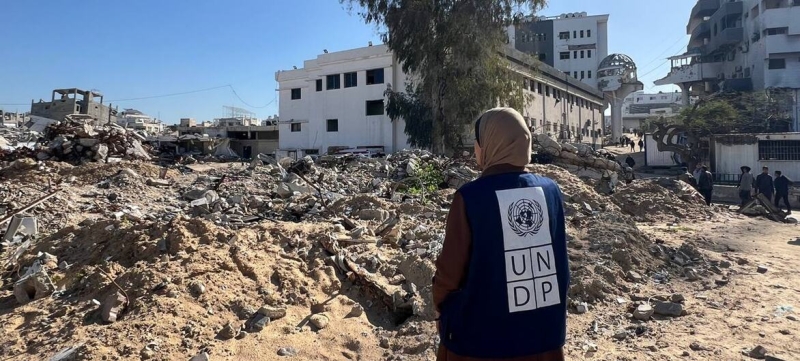

© UNDP Gaza is covered with almost 57 million tons of concrete and other construction debris. Rubble instead of building materials: Gaza evaluates new approaches to reconstruction Peace and security
A study is currently underway in Gaza to find out whether, as part of the reconstruction, it is possible to use the rubble of buildings destroyed during the conflict to strengthen the coastal area and build artificial islands.
Currently, the sector’s territory is covered with almost 57 million tons of concrete and other construction waste. With three-quarters of Gaza’s buildings destroyed, several reconstruction scenarios are being considered. One of the most popular options is to recycle the debris to expand the enclave’s Mediterranean coastline and create artificial islands offshore.
This approach partially recycles a huge amount of waste and reduces the need for new construction materials. However, the United Nations Environment Program (UNEP) warns that the existing waste in Gaza is not enough for such a large-scale engineering project.
UNEP co-chairs the Working Group, which is working on a plan to restore 14 square kilometers of territory. To implement the project, almost 200 million cubic meters of inert materials will be required. It is estimated that no more than 10 million cubic meters can be recovered from recycled debris.
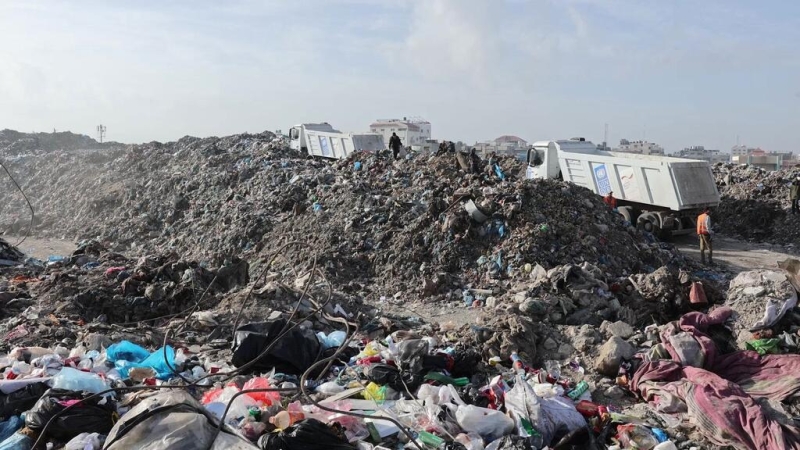
Photo by UN News Service UNDP and partners have begun removing waste from downtown Gaza City.
The key issue is the composition of the debris
In the scenarios currently being considered, large fragments could be used as foundations on the seabed, and recycled rubble could be used to construct coastal defenses. Smaller materials can be used to raise the ground level and change the shoreline, which will require the creation of new drainage systems.
The key issue is the nature of the debris itself. In addition to concrete, broken tiles and metals – including recyclable fittings – they also contain non-recyclable elements, from asbestos-containing materials to wood.
According to UNEP, any use of debris must comply with the Palestinian Environmental Protection Law of 1999, which requires an assessment impact on nature of projects that can influence the ecosystem. The agency also recommends taking into account international and regional regulations.