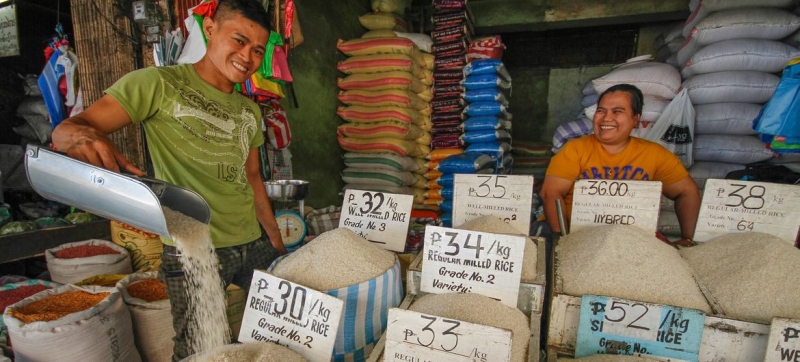

© ADB/L. Ledesma World food prices rose again in April. Food prices rise for the third month in a row amid high energy costs and the crisis in the Strait of Hormuz Economic Development
Global food prices rose for the third month in a row, fueled by high energy costs and ongoing supply disruptions related to the conflict in the Middle East. This is stated in the latest report of the UN Food and Agriculture Organization (FAO).
The FAO Food Price Index, which tracks international prices for major food commodities, stood at 130.7 points in April, 1.6 percent higher than the revised March value and two percent higher than last year.
Cereal prices
Cereal prices rose 0.8 percent compared to March and 0.4 percent year on year. The rise affected most major crops except sorghum and barley. World wheat prices rose 0.8 percent amid concerns about drought in parts of the United States and the possibility of below-normal rainfall in Australia. Additional pressure came from expectations of a decline in wheat plantings in 2026 as farmers switch to lower-fertilizer crops due to high fertilizer prices linked to higher energy costs and supply disruptions following the effective closure of the Strait of Hormuz. World corn prices rose 0.7 percent, helped by seasonally tighter supplies, weather risks in Brazil and dry planting conditions in certain areas of the USA. The additional growth was driven by robust ethanol demand amid high oil prices and ongoing fertilizer availability challenges. At the same time, global sorghum prices fell by four percent due to weak import demand and improved production forecasts in key exporting countries. The rice price index increased by 1.9 percent, led by gains in Indian and aromatic rice. The market was affected by higher production and logistics costs in exporting countries after a jump in prices for oil and petroleum products.
Oil costs are rising
The vegetable oil price index increased by 5.9 percent and reached its highest level since July 2022. Palm, soybean, sunflower and rapeseed oils have risen in price. Palm oil prices rose for a fifth month in a row amid expected increased demand from the biofuels industry, supported by government incentives and high oil prices. Adding to the pressure are concerns about lower production in Southeast Asia.
Meat prices hit record
The meat price index hit a new record high, up 1.2 percent for the month and 6.4 percent for the year. Global beef prices have reached new all-time highs due to limited supply in Brazil, where the herd recovery continues. Pork prices also rose, following stronger EU quotations on seasonal demand, although the rise was partly offset by lower prices in Brazil.
Dairy and sugar
Against this backdrop, the dairy price index fell 1.1 percent, reflecting a fall in global butter and cheese prices due to ample milk supplies to the EU and unexpectedly high volumes of late season in Oceania. Sugar prices fell 4.7 percent over the month and down 21.2 percent from last year. The decline is due to expectations of ample supply this season, boosted by improved production forecasts in China and Thailand. The start of the new refining season in Brazil also put downward pressure on the market.