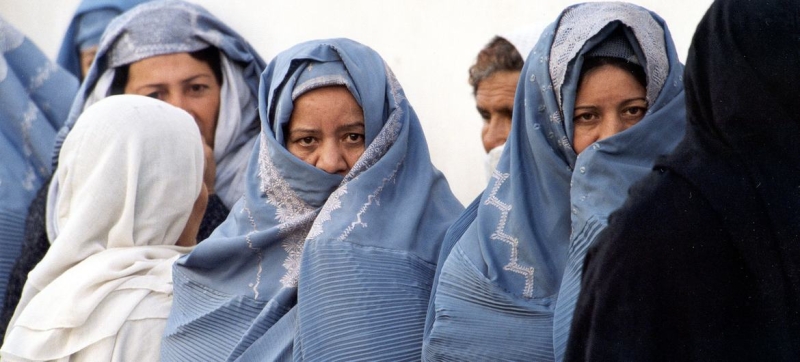

© UNICEF/SH. Noorani Women wait in a hospital in Kabul, Afghanistan. UNICEF: Afghanistan faces acute shortage of personnel in education and health Women
Restrictions on girls’ education and women’s employment in Afghanistan could lead to shortages of qualified personnel in education and health care. By 2030, the shortage of workers in these industries will amount to more than 25 thousand people. The United Nations Children’s Fund (UNICEF) warned about this on Tuesday.
According to the agency, children are already losing access to education and medical care as a result of restrictions. In addition, the country’s economy and key service systems that rely on skilled workers are suffering.
According to a new UNICEF report, the share of women in the public service fell from 21 percent to 17.7 percent between 2023 and 2025. year.
Education crisis
More than one million girls have been denied the right to education since the de facto authorities, the Taliban, imposed the ban in September 2021. If restrictions continue until 2030, more than two million girls will be denied opportunities study beyond primary school in a country that already has one of the lowest female literacy rates in the world.
“Afghanistan cannot afford to lose the future teachers, nurses, doctors, midwives and social workers who provide vital services. This is what the continued exclusion of girls from the education system will lead to,” said UNICEF Executive Director Catherine Russell.
“We call on the de facto authorities to lift the ban on secondary education for girls and call on the international community to continue to support girls’ right to education,” she added.
A blow to vital services
According to the report, Afghanistan faces a double crisis: the country is losing already trained specialists and at the same time cannot prepare a new generation. By 2030, the country may lose up to 20 thousand teachers and 5,400 medical workers.
The education system is already feeling the consequences of the crisis. The number of women teachers at the base level fell by more than nine percent, from nearly 73 thousand in 2022 to about 66 thousand in 2024. This threatens the learning of children, especially girls, who are more likely to attend school and stay in school when schools are staffed by women.
The consequences can be particularly serious in the health care system, where social norms often limit women’s ability to seek health care from men. UNICEF warns that reductions in the number of health workers will directly reduce access to maternal, newborn and child health services and increase risks for women and children. girls also cost Afghanistan $84 million in lost economic benefits each year, and these losses will only grow, warns UNICEF.
“By depriving Afghan girls of access to secondary education, we are depriving an entire country of its potential – condemning girls, their families and communities to poverty, worsening health outcomes and suppressing the economic potential that an educated generation of women could unleash,” Russell emphasized.
UNICEF continues to support education in the country. In 2025, more than 3.7 million children in public schools received emergency assistance, and 442,000 children—66 percent of them girls—participated in community-based education programs. In addition, the agency built or rehabilitated 232 schools.