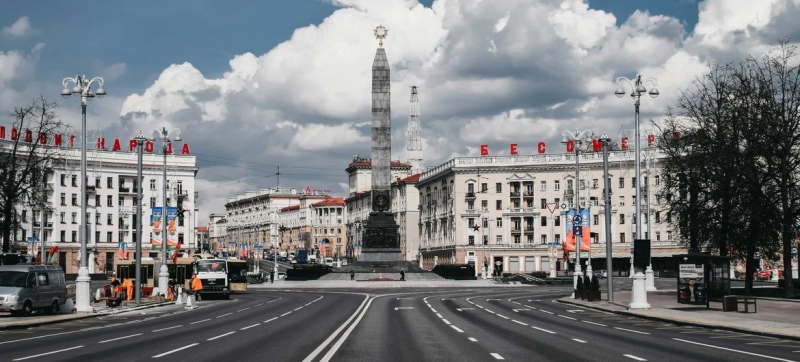

The capital of Belarus is Minsk, Victory Square. UN experts express concern about law targeting LGBT people and women’s rights defenders in Belarus Human Rights
Recently passed legislation in Belarus criminalizing the dissemination of information deemed to “promote” same-sex relationships, transgender health care, or reproductive autonomy will lead to discrimination and significantly increase the risk of reprisals. UN experts announced this on Wednesday.
“This law represents a dangerous escalation,” experts noted. “It equates legitimate human rights work with an administrative offense and can provide additional grounds for persecution of already marginalized groups and defenders of their rights.”
The law, adopted on April 2, 2026 by the Council of the Republic of the National Assembly of Belarus, introduces the article “Propaganda of homosexual relations, gender reassignment, childlessness and pedophilia” into the Code of Administrative Offenses. It prohibits the “dissemination in any form” of information aimed at promoting positive attitudes toward same-sex relationships, gender transition, voluntary childlessness, or the recognition of pedophilia as acceptable. days.
Experts have warned that the law’s vague and overly broad wording could lead to its arbitrary application and further narrowing of civil space in Belarus.
“By mixing advocacy and information about sexual orientation, gender identity and reproductive autonomy with administrative violations, authorities fuel bias and legitimize discrimination,” experts said, highlighting that the passage of the law comes amid reports of harassment and intimidation of lesbian, gay, bisexual, transgender and other gender diverse people. people.
The law also raises concerns among experts about transgender people’s access to medical supplies. According to civil society organizations, there is currently an increase in requests for psychological assistance and support in leaving the country among such individuals. Since the beginning of this year, at least 12 cases of gender-based harassment have been recorded in Belarus. person.
The statement was signed by seven independent UN experts. Special Rapporteurs are independent experts appointed by the UN Human Rights Council to address either situations in specific countries or thematic issues in all parts of the world. They are included in the special procedures of the Human Rights Council. Special procedures experts are not UN employees and are not dependent on any government or organization. They work in a personal capacity and are not paid for their work.