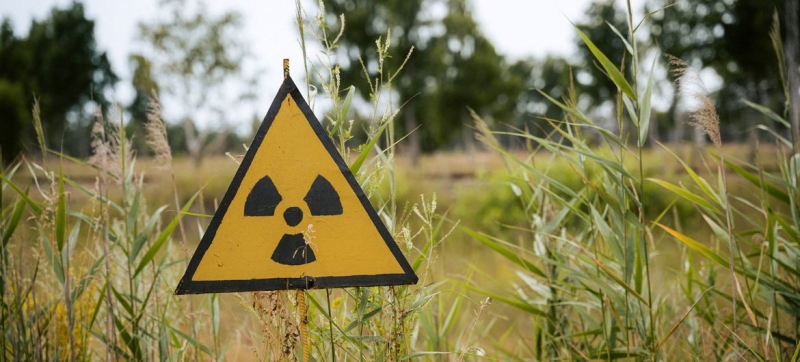

Unsplash/K. Karger Although there have been no nuclear terrorist attacks in nearly 80 years of this technology’s existence and such a threat remains unlikely, it still exists. The UN warned of an increase in the threat of nuclear terrorism against the backdrop of technological developments Peace and Security
With the development of technologies such as military drones and artificial intelligence, the threat of nuclear terrorism is rapidly growing. The consequences of a radiological or nuclear terrorist attack can extend far beyond the borders of one country, undermining international peace and security.
Although there is no strict definition of nuclear terrorism, examples of such attacks include the use of dirty bombs, attacks on nuclear power plants, the use of stolen nuclear weapons, and the detonation of improvised nuclear devices.
Low probability – catastrophic consequences
Although nuclear terrorist attacks have not occurred in almost 80 years of the existence of this technology and such a threat remains unlikely, it still exists. And if such an attack occurs, it will lead to very serious consequences.
It is possible that terrorist groups may attempt to carry out similar attacks. For example, the al-Qaeda terrorist organization, which was behind the September 11 attacks in New York, which resulted in the destruction of the twin towers of the World Trade Center, has repeatedly stated its intention to commit acts of nuclear terrorism. In addition, many cases of smuggling or theft of radioactive materials have been recorded. In particular, in 2021, the Tajik authorities reported the theft of 133 uranium dioxide tablets. It was believed that they could be used for illegal transportation within the country or transported to Afghanistan, where al-Qaeda remains present.
“I think the threat today has never been greater,” said Mauro, director of the UN Counterterrorism Center (UNCTC). Medico.
“Terrorist groups and individuals are increasingly using new technologies. They attract specialists, including experts in the field of artificial intelligence, and we have already seen the use of drones in terrorist attacks. This trend increases the likelihood of using drones to deliver a “dirty bomb,” he noted. materials is a key priority for both individual Member States and the international community as a whole.
In May, at a meeting held as part of the 2026 Conference on the Treaty on the Non-Proliferation of Nuclear Weapons, speakers including Mauro Medico called on all UN member states to accede as soon as possible to the International Convention for the Suppression of Acts of Nuclear Terrorism.
The Convention, a key element of the global nuclear security architecture, creates a legal framework for the criminalization of acts of nuclear terrorism and expanding international cooperation in countering such threats.
Not a lack of political will, but a lack of capacity
However, despite the fact that in the 21 years since the adoption of the Convention a large number of states have acceded to it, about 66 countries still have not done so. As Mauro Medico explained, the reason is not a lack of political will, but rather a lack of technical capacity. “The first step is to create a strong legal framework, including effective mechanisms for cooperation with other states, opportunities for investigations and the exchange of judicial information, as well as tools for implementing preventive measures,” he said.
The UN Office of Counter-Terrorism, in partnership with the European Union, is supporting national governments to accede to the Convention and ensure its full implementation. “So far there have been no cases of nuclear terrorism,” said Mauro Medico. “This is partly due to existing mechanisms. However, it is necessary to continue to support the efforts of Member States to ensure that such a thing never happens.” use of nuclear and other radioactive materials committed for terrorist purposes. It also strengthens international cooperation in this area.
Despite the active accession of states to the Convention in the first years after its adoption, in recent times the process has slowed down. Reasons include lack of awareness of the Convention, competing legislative priorities, limited domestic resources, and the need for increased technical and legislative support.