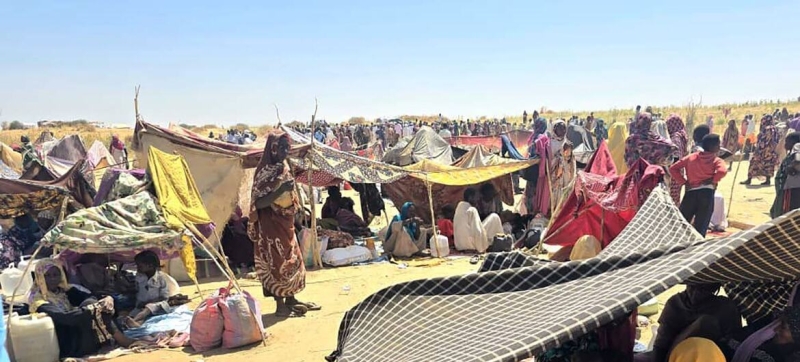

A camp for internally displaced people in Sudan. October 2025. Three years of conflict in Sudan: economic decline, mass displacement, violence and humanitarian crisis Peace and Security
Three years after the start of the conflict, Sudan is experiencing a deep economic and humanitarian crisis, the scale of which continues to grow. The UN estimates that the country lost about $6.4 billion in GDP in 2023 alone, with millions of people forced into extreme poverty. If fighting continues, 50 million people face poverty.
Acute humanitarian crisis
The country is experiencing a recession, accompanied by a sharp deterioration in access to basic infrastructure. Incomes have fallen to levels seen in the early 1990s, and access to health care, education and other vital services remains extremely limited. Against this backdrop, the humanitarian needs of the population continue to grow rapidly.
“Needs are now outpacing our ability to respond, and the gap is measured in human lives,” said International Organization for Migration (IOM) Director-General Amy Pope.
International support
She said every day that aid is delayed means families are left without food, water or adequate protection. “Urgent international support is needed to help people before more lives are put at risk,” she added.
Mass displacement
Sudan still faces its biggest displacement crisis. Millions were forced to leave their homes, many of them fleeing to neighboring countries. Chad hosted the largest number of Sudanese refugees – about 1.3 million people. This significantly increased pressure on the country’s already limited resources. The camps in the border areas are overcrowded, and there is an acute shortage of food and medical personnel.The situation is further complicated by the consequences of the escalation in the Middle East: disruptions in regional supply chains and restrictions on transport routes are leading to delays in the delivery of humanitarian aid and rising costs.
The State of Women
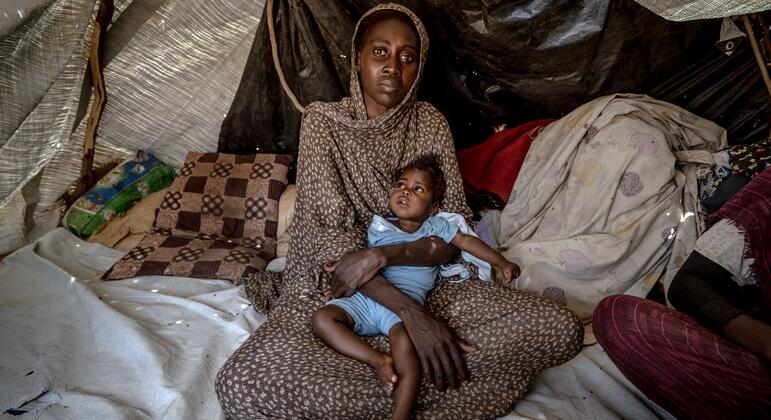
Women and children are hit hardest by the effects of conflict. Two-thirds of participants in a UN Women survey of female staff from 85 women’s organizations reported a significant increase in sexual violence in 2025. “Women and girls are raped and murdered in their own homes and while trying to escape or access food, water and medical care. Sexual violence has become an integral part of the war strategy in Sudan,” said UN Women Regional Director for Eastern and Southern Africa Anna Mutawati.
Despite this, women’s organizations continue to play a key role in providing assistance. They provide food to families, provide medical and psychosocial support to those affected, and mediate in local conflicts, facilitating humanitarian access to areas previously inaccessible to international organizations.
Children are victims of war
Children also continue to bear the heavy burden of conflict. Since the beginning of 2026, at least 160 children have been killed in conflict, according to UNICEF. In addition, food supply shortages could result in an estimated 4.2 million children suffering from acute malnutrition in 2026. Cases of famine have already been recorded in a number of areas, and the risk of its further spread remains high.
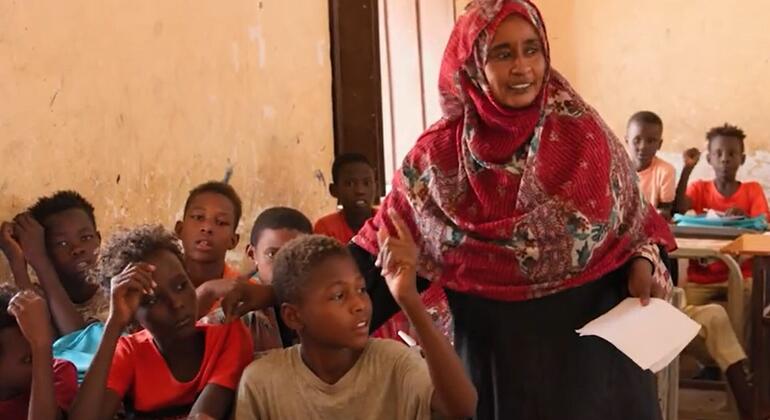
At the same time, the education system is being destroyed: more than a third of schools in the country are closed, some of which are used as shelters or occupied by parties to the conflict. As a result, at least 8 million children are unable to attend school.
Sudanese need peace
The UN stresses that ending the conflict remains key to stabilizing the situation. However, even if peace is achieved, the country’s restoration will take decades and large-scale international support. That’s why a coordinated effort to help the people of Sudan is needed now.