
Chernobyl nuclear power plant The Chernobyl accident 40 years later: international solidarity and a reminder of the cost of nuclear disaster Peace and Security
The UN Secretary-General called on the international community to learn lessons from the Chernobyl accident and prevent further nuclear disasters, especially against the backdrop of ongoing conflicts and geopolitical tensions.
Millions of people suffered
Speaking on behalf of the head of the UN at a commemorative meeting of the General Assembly on the occasion of the 40th anniversary of the tragedy, Deputy Secretary-General for Policy Guy Ryder recalled that the explosion on April 26, 1986 was “the most serious nuclear accident in history” and led to large-scale humanitarian consequences. The event took place on the eve of the International Day of Remembrance of the Chernobyl Disaster, which is celebrated annually on April 26.
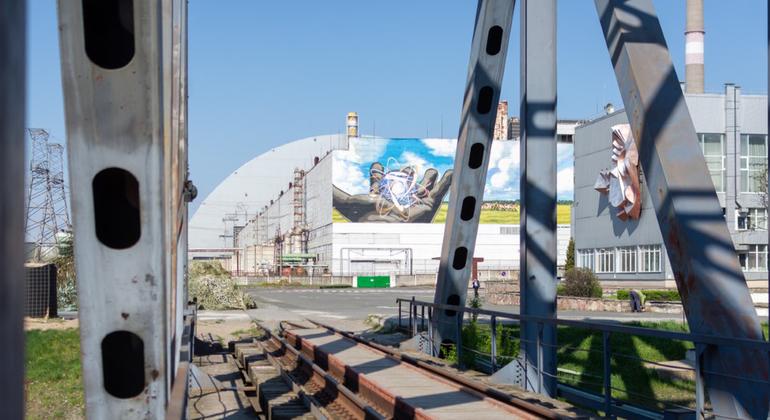
As a result of the explosion at the Chernobyl Nuclear Power Plant, pollution spread to large parts of the Soviet Union, which are now part of Belarus, Ukraine and the Russian Federation. Almost 8.4 million people in the three affected countries were exposed to radiation. About 350 thousand people were forced to flee their homes.
Long-term consequences
The UN paid tribute to the victims and expressed solidarity with those who have faced the consequences of the disaster for decades – from health problems to environmental damage and socio-economic difficulties.
At the same time, the Organization emphasized that the fight against the consequences of the Chernobyl accident has become an example of international solidarity and dedication. “The tragedy has revealed the best qualities of humanity,” noted the representative of the Secretary General, recalling the feat of firefighters, liquidators, doctors and scientists, as well as long-term efforts to restore the affected regions. safety.
International Cooperation
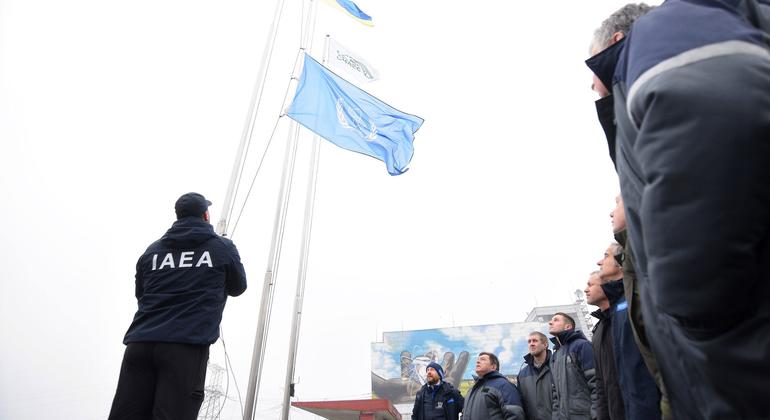
In 1990, the General Assembly adopted a resolution calling for “international cooperation to mitigate and overcome the consequences of the Chernobyl nuclear power plant.” This marked the beginning of the United Nations’ efforts to revive the affected areas.
For four decades, the UN system has provided support to these areas, from assessing contaminated sites and monitoring the effects of radiation to promoting sustainable development and creating new jobs.
The UN Secretary-General’s speech emphasized the importance of international cooperation and information exchange to strengthen nuclear safety. In particular, after Chernobyl, key international agreements were adopted, including the Convention on Early Notification of a Nuclear Accident.
Nuclear Threat
Special attention was paid to current risks. The UN expressed serious concern that the war on Ukrainian territory continues to threaten nuclear facilities, including the Zaporozhye nuclear power plant, the largest in Europe. “All military actions near nuclear facilities must cease immediately,” the Secretary General’s representative emphasized, adding that even unintentional damage to such facilities could undo decades of international efforts. world
The UN recalled that the consequences of nuclear accidents know no boundaries and affect all of humanity. “Chernobyl is not only a national tragedy, but also a common lesson for the whole world,” was said during the meeting.
Concluding his speech, the Deputy Secretary General called on countries to join forces to support affected communities and build a safer future.