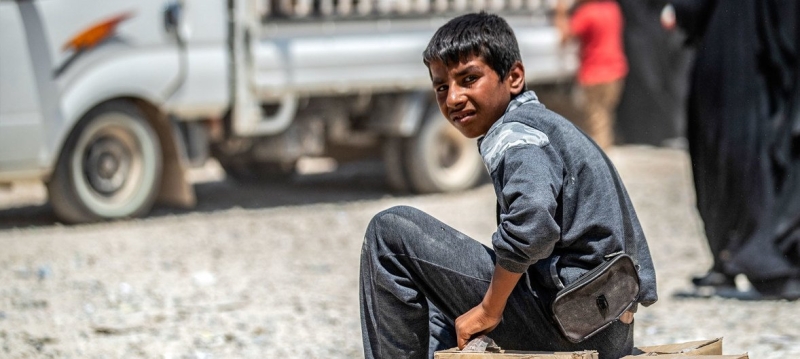

© UNICEF/D. Suleiman 15.6 million Syrians are in need of humanitarian assistance. Syria ‘not alone’ in finding missing people and addressing displaced people Human rights
Syria will not remain alone in the face of new and old challenges. This was stated by the head of the Independent Institute for Missing Persons in Syria, Carla Quintana, on the eve of António Guterres’s first visit to this country as Secretary-General.
Quintana provided an overview of ongoing work. She said the Independent Institute has processed more than 75,000 documents, collecting information on missing opponents of the Assad regime, migrants, children and people who have disappeared due to the terrorist group ISIS since 2024. “Syria knows that it will not have to cope with all this alone,” Quintana said, noting that the institution, created by the decision of the UN General Assembly in 2023, will continue to work to find and support the missing families.
Problems persist
The new government has given the Independent Institute access to the archives, but has not yet allowed it to open its office in the country. As Quintana emphasized, access to information, its analysis and exchange remain key elements of efforts to establish the fate of missing people. She recalled that it was the relatives of the missing who initiated the creation of the institution. “We are working to provide answers to the families,” its leader said.
Historic opportunity
Syria has a historic opportunity to transform one of the world’s largest displacement crises into an inclusive and sustainable recovery. This was stated by the UN Special Rapporteur on the rights of internally displaced persons after an official visit to the country. “Internally displaced persons have suffered greatly from what happened in Syria in the past. But they can make the most significant contribution to shaping its future,” said Paula Gaviria Betancourt. Since 2011, some 14 million Syrians have been forced to leave their homes. Almost two million internally displaced people and 1.7 million refugees have returned home, but about 5.5 million people remain displaced. The country requires $216 billion to rebuild, and 15.6 million people continue to require humanitarian assistance.
“Investing in Peace”
“Supporting the rights and opportunities of [displaced] people is an investment in Syria’s social fabric, its economic recovery and long-term peace,” Bettencourt said. An important measure of success, she said, will be whether formerly internally displaced people can realize their rights and rebuild their lives in dignity and safety. The Special Rapporteur will present her full report to the Human Rights Council in June 2027. Special Rapporteurs are independent experts appointed by the UN Human Rights Council. They are not UN employees and do not receive wages for their work. Experts act in their personal capacity and do not represent any government or organization.