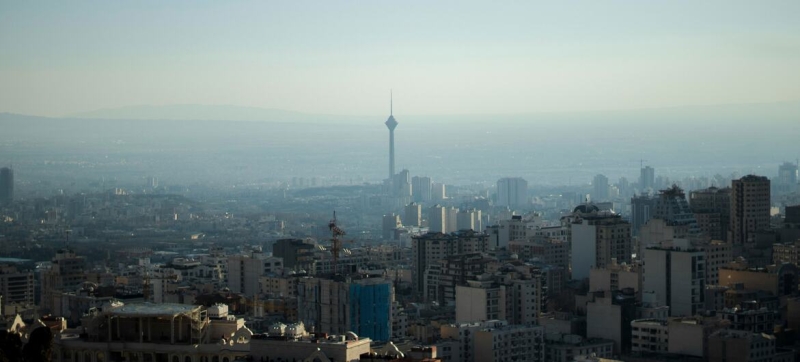

© Unsplash/Canielz Tehran, capital of Iran. Iran: UN mission calls for withdrawal of bill criminalizing contacts with foreign entities Human rights
The UN’s independent international fact-finding mission on Iran has called on the country’s government to immediately withdraw a bill pending in parliament that would see journalists, academics and activists jailed for up to 30 years for simply communicating with foreign individuals and organizations. This could lead to further violations of the rights of Iranians, including the right to contact with the UN Mission itself.
Under the Anti-Foreign Infiltration Bill, alleged cooperation or interaction with certain foreign states, media, academic institutions, human rights activists and civil society organizations could constitute a serious crime against national security. Human rights activists warn that this measure represents a dangerous escalation in suppression fundamental freedoms and isolation of Iranians from the international community.
“Total criminalization”
“We are outraged that the Iranian government intends to subject ordinary Iranians to total criminalization for any contact with the outside world – while people already suffer from isolation due to years of international sanctions, government crackdown on recent protests, the longest internet shutdown in the country’s history, and US and Israeli airstrikes,” said Mission Chair Sarah Hossein.
The bill, which experts say is vague and broad, would require Iranians to declare and register “activities with foreign agents or foreign nationals” and obtain approval through an online system that prioritizes security concerns.
Under the bill, Iranians would face criminal prosecution if they do not obtain prior authorization to activities such as publishing books and articles, sharing data and analysis, scientific or academic collaboration, interacting with foreign and recognized “hostile” media, and maintaining a newspaper or website.Pre-approval is required for cultural and social activities, including participation in seminars and training courses (face-to-face or remote), scientific conferences and art festivals, receiving certificates and awards, as well as the creation, performance and exhibition of films, music and works of visual art.
The bill also covers economic, commercial and financial activities, including monetary transfers and provision of goods or services.
According to expert Mission Viviana Krstičević, if passed, this bill will put all contacts with the outside world under the control of the government, and will also further restrict rights citizens.
According to the Mission, the signing of this bill will limit any contacts of Iranians with foreign individuals and organizations and will affect all areas of life, including small businesses. Implementation of the legislation will lead to an immediate violation of the rights of ordinary Iranians, including the right to freedom of expression and to seek, receive and disseminate information and ideas of any kind, as well as the right to freedom of association. The law would also undermine the rights to education, work, an adequate standard of living, and participation in cultural life. The penalties provided for by this law will be an additional violation of the right to personal liberty and security. human rights representatives have the right to unhindered access to and communication with the Mission without fear of intimidation or reprisal. The Mission will forward to the Secretary-General information on any alleged reprisals for contacts with it for inclusion in his annual reports on cooperation with the United Nations, its representatives and human rights mechanisms.
“Punishment of any interaction by Iranians or persons residing in Iran with the Mission under this bill constitutes reprisal, and the threat of criminalization of such activities is a form of intimidation and “harassment,” said representative of the institution Max du Plessis. “We will monitor the situation and regularly report on this issue to the Human Rights Council.”