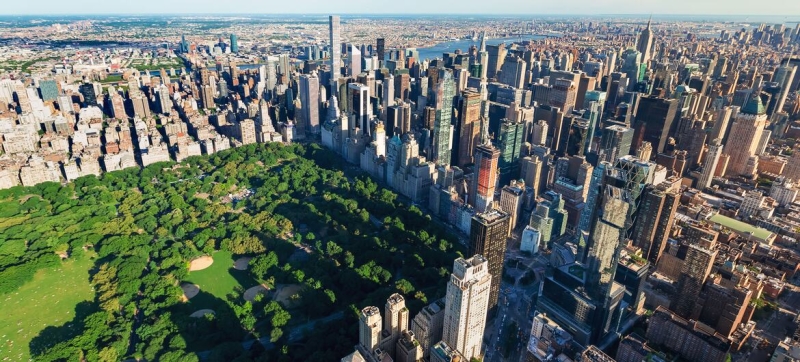

© Adobe Stock/Tierney Central Park is located in the heart of Manhattan. From compost to electric vehicles: how New York’s Central Park is adapting to climate change Climate and Environment
In the heart of Manhattan, you can watch the climate change. In New York’s Central Park, one of the most recognizable landmarks in the world, heavy rains are falling more frequently, areas are flooding, soil is eroding, and prolonged heat is putting stress on people and the ecosystem. Innovative methods are designed to resist destructive changes.
At the same time, the park itself helps New York cope with the heat. According to a study by the Central Park Climate Lab, the air temperature here can be almost 6 degrees Celsius lower than on surrounding streets.
“Central Park, and city parks in general, are much more than just recreational spaces,” said Yanina Kupava, director of operational planning and administration for the Central Park Conservancy. “This is vital green infrastructure.”
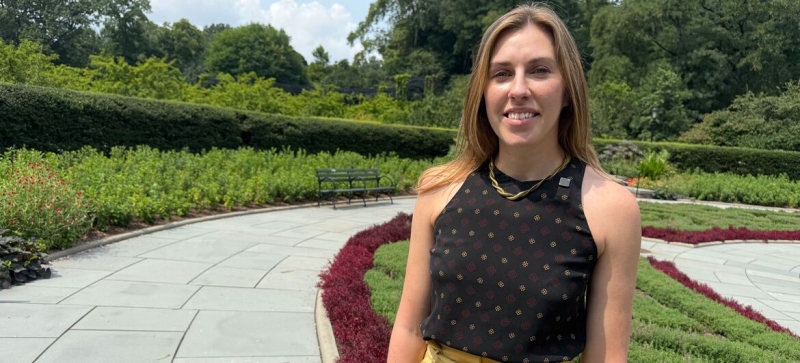
UN/E News Service. Kleshcheva Yanina Kupava, Director of Operations Planning and Administration, Central Park Conservancy
Parks cool the city, clean the air, hold back stormwater, and give people the shade of trees. UN News visited Central Park on a hot summer day, weeks before world leaders gather for the General Assembly’s general debate just nearby at UN headquarters. On the same days, Climate Week will be held in New York. While politicians and experts discuss sustainable development, its practical dimension can be observed a few blocks from the meeting rooms.
From restoration to park protection
Central Park did not always look the way it does today. In the 1970s, during New York’s budget crisis, it fell into disrepair. In 1980, the Central Park Conservancy was created, which, together with the city authorities, began to restore its landscapes, water bodies and ecosystems.
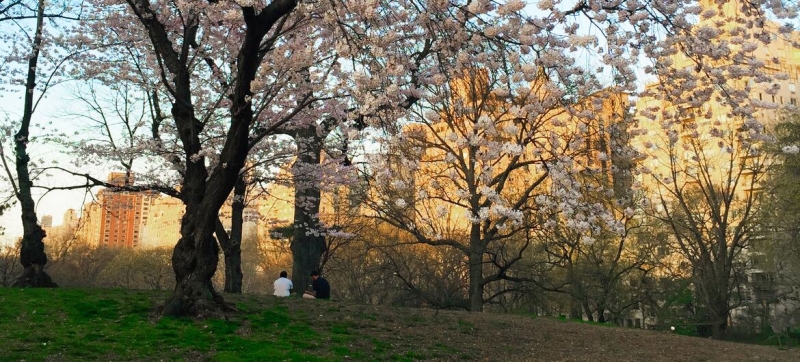
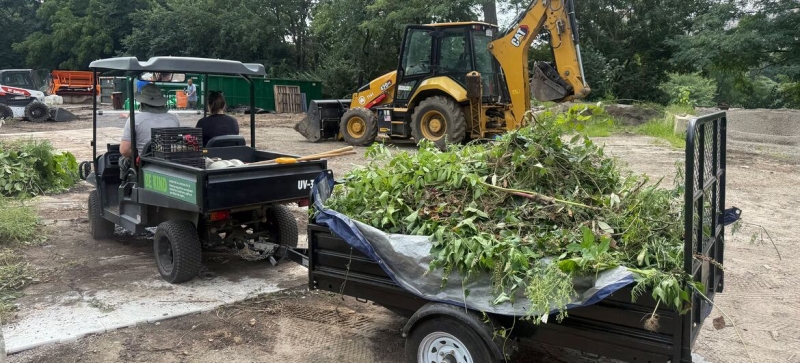
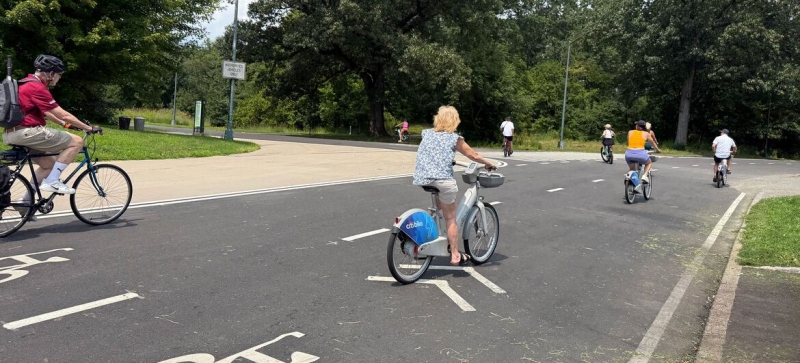
Today the task has changed: the restored park must be protected from climate threats. UN/E News Service. Kleshcheva A bee pollinates a flower in Central Park. “We are increasingly faced with periods of extreme heat,” says Kupava. “We are seeing more intense downpours, which are leading to flooding and soil erosion.” New York City, like other high-density urban areas, is warming faster and retaining heat longer than surrounding rural and suburban areas. As temperatures rise and flooding threatens, green space becomes increasingly important more important. Even what can grow in Central Park is changing. The location in the middle of a metropolis creates additional stress on plants and animals. “The park is still part of the urban environment, and ever higher temperatures may be unusual for the natural habitat of some trees,” park specialists explain. Employees observe how different plants feel comfortable in new conditions, and, if necessary, experiment with plants from other climatic zones – for example, from Italy. “We look at how they behave, and where possible, we act,” says Kupava. And yet the main task is to prevent the climate crisis from changing what is known throughout the world appearance of the park. Thus, the famous alleys of ornamental apple trees in the spring become one of the most popular corners of the park: the branches are covered with white, pink and purple flowers. According to employees, the place looks so romantic that a “simply incredible” number of people propose marriage to their lovers here. UN News Service/N. Sheki Flowering trees in Central Park. But the garden and alleys of Central Park are in danger – too warm a winter can lead to the fact that the apple trees will not bloom at all. Additionally, an unexpected thaw in February can cause magnolias or cherries to bloom prematurely. “If they bloom too early, late frosts can seriously harm them,” explains Kupava. “And if winters get milder, these trees may have trouble flowering and pollinating.” One of the elements of Central Park’s climate adaptation is literally underfoot. Leaves, weeds, invasive plants, woody debris and even food waste from the premises are now turned into compost here, which will help flowers and trees cope with threats. At a work site in the northern part of the park, piles of branches, wood chips and fresh greens rise. Here employees bring what they collected while weeding, mowing lawns and caring for trees. What was recently considered waste is turning into a resource. “We want all this wonderful material to stay here,” says Kupava. UN/E News Service. Kleshcheva Employees collect vegetation for composting. The process itself takes several weeks: organic waste is first composted, then left to mature. At the same time, employees register all incoming materials – where they came from, in what volume and what exactly was received for processing. This way, the Conservancy can track how much organic matter is being produced in the park. The finished compost is used to enrich the soil in gardens, protect the roots of newly planted trees, and restore trampled lawns. Staff and volunteers place mulch around young trees, which helps retain moisture, enriches the soil and gives plants a better chance of establishing successfully. Compost also helps reduce runoff during heavy rains. An equally important task is staff motivation: employees can receive the title of “composter of the month” for particularly active participation in the program. Today they plan to expand the site and install additional containers to recycle even more material, send as little of it to landfills and return as much of it back into the park’s ecosystem. “The goal is for all green material to remain in the park. This is the gold standard,” emphasizes Kupava. In the context of climate change, special attention is paid to saving water. As part of the North End Recirculation project, the northern part of Central Park would become its own watershed. The underground system will allow water to circulate between reservoirs. “It will be virtually invisible to the public,” says Kupava, “but the water savings for the city will be enormous.” Technology is also gradually changing. Equipment running on gasoline and diesel is replaced with electric equipment as it wears out. Employees are already using electric tools, and as suitable models become available, the Conservancy is considering switching to electric lawn mowers, tractors and even trash compactors. UN/E News Service. Kleshcheva People ride bicycles in Central Park in New York. Some electric vehicles have solar panels that help extend battery life. But this technology has its limitations. “The northeastern United States has a temperate climate, and any solar energy solutions must work year-round. So far, we mainly use them as an additional source of energy,” explains Kupava. New Yorkers love their park and many are ready to participate free of charge in its preservation. Volunteers, together with park employees, care for trees and flower beds, weed plants, and collect leaves and garbage. Programs dedicated to sustainable development are being developed for schoolchildren. Almost two centuries ago, the creators of Central Park wanted to give residents of rapidly growing New York the opportunity to stay close to nature. Today, this green island in the middle of Manhattan has another task – to help the city of millions adapt to a climate that is changing literally before our eyes. 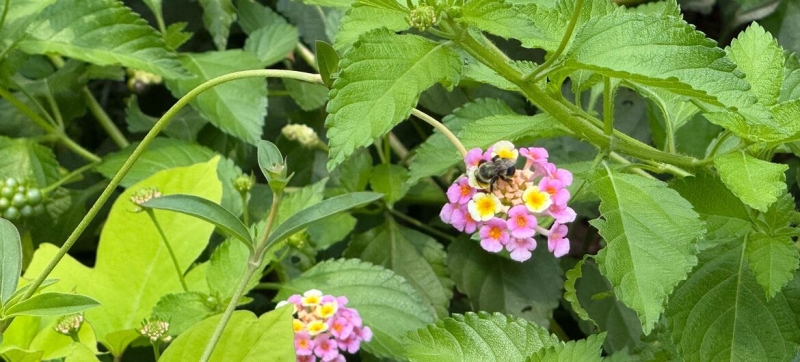
Plants for a new climate
Protect local landmarks
“Not a Leaf Wasted”
Save water and refuse fuel
Park as climate infrastructure