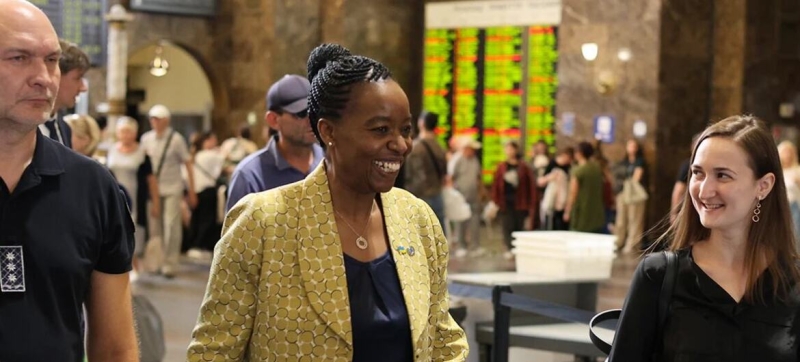

© UNODC The Executive Director of UNODC during a visit to the Kiev-Pasazhyrsky railway station. The head of the UN Office on Drugs and Crime visited Ukraine Peace and Security
Russia’s full-scale invasion of Ukraine, which began more than four years ago, has not only led to thousands of deaths, widespread destruction, mass displacement, and massive damage to the economy, but has also changed the landscape of crime and corruption.
Changing situation in the field of crime
According to government data, in 2024, compared to pre-war levels, the number of seizures of automatic weapons increased by more than 15 times, and grenades – by more than seven.
Cybercrime has increased sharply: from 2022 to 2023, the number of fraud cases tripled. At the same time, according to a recent report by the United Nations Office on Drugs and Crime (UNODC), the drug market has undergone fundamental changes: domestic production and trafficking of synthetic drugs has increased significantly.
Ukrainians are concerned about corruption
A nationwide survey has found that corruption remains a top concern for Ukrainians, with more than 91 percent of the population believing it to be widespread.
Meanwhile, Ukraine’s public institutions are under severe strain: More than 137 courts are not functioning, according to the government, and 44 of 86 prison facilities are seriously damaged, affecting nearly 35,000 prisoners.
Government institutions adapt
Despite these pressures, national institutions remain resilient and continue to adapt, taking measures to strengthen investigations, prosecutions and crime prevention, including with the ongoing support of UNODC.
Visit by the head of UNODC UN
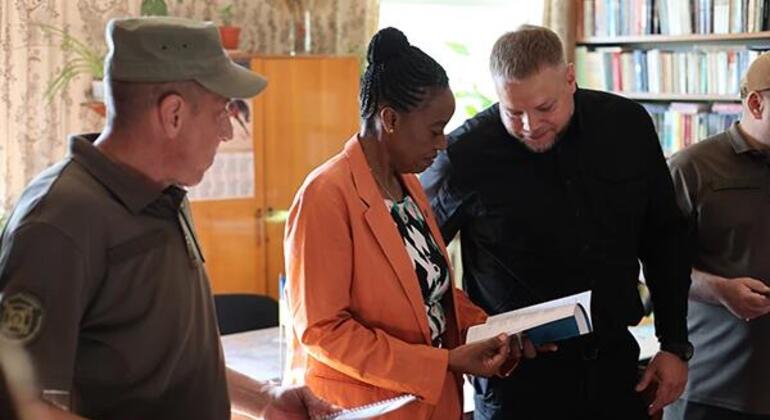
© UNODC
UNODC Executive Director Monica Juma visited Ukraine as a representative of the UN Secretary-General on the occasion of the 35th anniversary of the restoration of Ukraine’s independence and National Flag Day. Her visit reaffirmed UNODC’s support for Ukrainian institutions involved in anti-corruption, justice and law enforcement.
The executive director met with the Deputy Head of the Office of the President of Ukraine Igor Zhovkva. The parties discussed the UNODC Country Programme, reviewed progress in existing areas of cooperation and identified priorities for further deepening the partnership between UNODC and Ukraine.
Monica Dzhuma also met with Foreign Minister Andrei Sibiga as part of official events, and later held talks with Deputy Foreign Minister Maryana Betsa. The parties discussed increased cooperation and opportunities to more closely align UNODC support with the priorities and needs of Ukraine.
Combating illicit arms trafficking, cybercrime and human trafficking
The executive director visited the Kyiv-Pasazhyrsky railway station, where she met with the Chairman of the Board of Ukrainian Railways JSC, Alexander Pertsovsky, and donated equipment, including X-ray catalogs developed by UNODC to identify firearms, their components and ammunition in hand luggage, as well as ten desktop computers.
This assistance is part of a broader partnership with Ukrainian Railways. Since 2022, three railway stations have been equipped with technology to detect and combat illicit firearms trafficking.
Monica Juma also discussed with Ukrainian officials UNODC’s comprehensive response to the rapidly changing situation in the area of organized crime – including supporting the development of a new Ukraine Strategy to Combat Organized Crime crime.
Border protection
Particular attention was paid to expanding cooperation in the field of border management. UNODC-supported port control units in Kyiv, Lviv and Odessa now operate as joint teams bringing together representatives from customs, border control, security and police. This allows us to jointly assess risks and coordinate measures to combat illicit trafficking.
Further cooperation
The Executive Director confirmed the readiness of UNODC to further strengthen Ukraine’s capabilities to combat cybercrime, including through continued technical support for CyberHub, the country’s first specialized training center for combating cybercrime. cybercrime.
Monica Juma also highlighted UNODC’s support for efforts to combat human trafficking and conflict-related sexual violence. Since 2022, the Office has trained more than 700 specialists in identifying victims, investigating crimes and bringing perpetrators to justice.
This support has been accompanied by a noticeable increase in Ukraine’s response. In 2025, law enforcement agencies recorded 162 cases of human trafficking – 47 percent more than in 2024. 46 indictments were sent to the courts – 64.3 percent more than a year earlier.
Penitentiary system of Ukraine
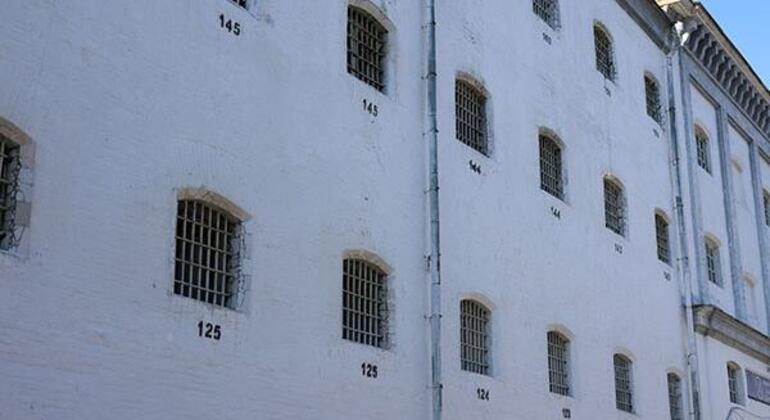
© UNODC
At the Kiev detention center, one of the oldest and largest institutions of its kind in Ukraine, the Executive Director reviewed the results of UNODC support on the ground. In particular, a newly renovated kitchen now provides meals to more than 2,400 detainees daily, and a new library promotes education and rehabilitation. During the visit, the institution was also given equipment for the kitchen and library, as well as computer equipment.
UNODC’s broader support for Ukraine’s prison system includes the development of the country’s first Roadmap for Rehabilitation and Reintegration in Penitentiary Institutions, as well as assistance to eight institutions to ensure continued operation under emergency wartime conditions.
At a meeting with Minister of Justice Denis Maslov, the Executive Director discussed further support for the prison system. The parties emphasized the importance of ensuring humane conditions of detention based on respect for human rights.
Strengthening the fight against corruption
To strengthen cooperation in the fight against corruption – one of the most pressing problems in public administration in Ukraine – The Executive Director met with the head of the National Agency for the Prevention of Corruption, Viktor Pavluschik, the Director of the National Anti-Corruption Bureau, Semyon Krivonos, and other officials.
UNODC has provided national anti-corruption institutions with a number of practical tools, including a Model Code of Conduct and specialized training on tracking illicit assets. The Office is also supporting Ukraine in conducting a self-assessment as part of the second review cycle of the UN Convention against Corruption.
In addition, a new platform has been created bringing together ministries, state-owned companies and civil society to improve the transparency of public procurement. More than 200 young Ukrainians took part in anti-corruption initiatives, including Anti-Corruption Quest and StreetLaw Fest.