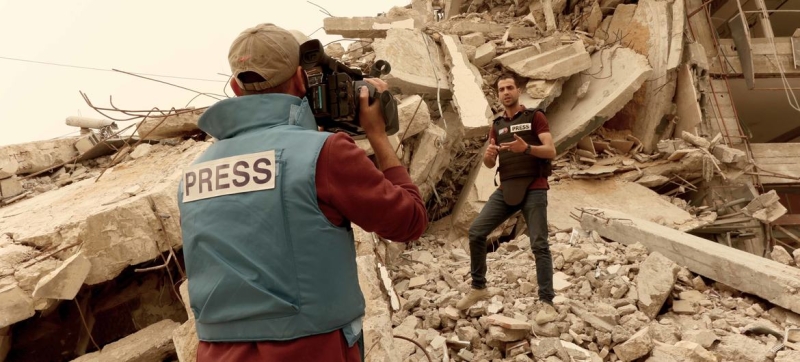

UN News Service Palestinian journalist Mohammed Abu-Namus and his colleagues cover the aftermath of the war in Gaza. When an article saves lives: UNESCO on the value of journalism Culture and education
A single story by The New York Times about a major disaster helped fund $500,000 in relief efforts. This is just one example of how a free press can save lives, according to a new UNESCO report, The Value of Journalism.
The study authors emphasize that independent journalism plays a key role in bringing attention to the impact of humanitarian disasters and countering disinformation. Analysis of data from 152 countries shows that high levels of press freedom are associated with lower risks of conflict, repression and human rights violations.
The report says the media is helping affected communities gain support and prompting officials to act more quickly. Better crisis reporting makes responses more effective.
Investigative journalism also serves as a watchdog, monitoring the humanitarian sector and promoting reform. The report cites examples of how journalism has led to the protection of natural resources: stories about wastewater dumping at a landfill in Thailand forced government intervention, and investigations into illegal sand mining in Uganda led to a nationwide ban.
Health and Safety
The report’s authors also describe cases that demonstrate the impact of journalism on health and safety. Radio programs in Burkina Faso about the risks of malaria, pneumonia and diarrhea in children significantly increased the number of visits to health centers and reduced the mortality rate of children under five by an average of 7.15 percent per year, saving almost three thousand lives. making Los Angeles more resilient to earthquakes.
Research into the role of radio after a major earthquake found that it helped families find each other and disseminated critical information about safety, hygiene, and clean water. In Nigeria, radio programs aimed at combating misinformation about the coronavirus epidemic helped listeners recognize and challenge false claims.
UNESCO warns that false reports and rumors aggravate crises, hamper recovery and sometimes even prevent aid from being delivered. Disinformation can incite violence and put humanitarian workers at risk. During the COVID‑19 pandemic, the World Health Organization called the phenomenon an “infodemic.” Misinformation led to 2.3 million additional cases and 66,000 hospitalizations in 2021 in the United States, costing the health care system two billion dollars and leading to 45,000 preventable deaths.
Media and charity
The report also shows that the media can stimulate philanthropy. British journalist Michael Burke’s reporting from Ethiopia in 1984 led to the collection of more than $200 million in aid. Turkish photojournalist Nilüfer Demir’s photograph of the dead boy Alan Kurdi in 2015 caused a global outcry and led to a surge in donations – some organizations received 50 times more funds. impunity in a number of major NGOs, including Oxfam and Save the Children.
The UNESCO report’s conclusion is clear: a free press is a vital element of public safety, capable of saving lives, preventing disasters and promoting financial transparency.