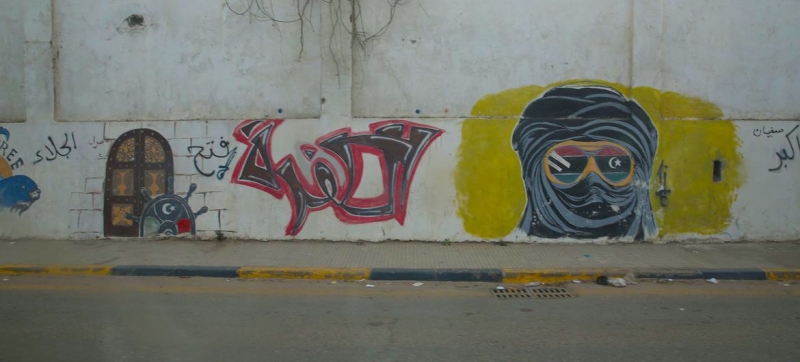

UNSMIL Street in Tripoli, Libya. UN Security Council: political differences threaten Libya’s stability Peace and Security
The UN Security Council met on Tuesday to discuss the situation in Libya, where a long-running political impasse is preventing long-planned elections from being held. At the same time, communities are dealing with heatwaves, power outages and instability. Drone strikes reportedly caused a fire at a major oil refinery last week.
“It remains critically important to advance the political process in Libya,” said Special Representative of the Secretary-General and Head of the UN Support Mission in Libya (UNSMIL) Hannah Tetteh. control over the oil-rich economy has become a constant source of tension.
Today, two administrations continue to compete in the country. The elections, which were scheduled for December 2021, have been postponed indefinitely.
Problems in the field of public administration
Widespread power outages and growing public discontent, exacerbated by prolonged heat, have demonstrated the consequences of institutional fragmentation, diversion of public resources, insufficient investment and uncoordinated decision-making, Tetteh said. overcoming political differences,” she emphasized. “It’s about restoring the state’s ability to provide for the needs of its population.”
The road map presented to the UN Security Council a year ago provides a path to presidential and parliamentary elections, an inclusive structured dialogue to address governance issues, and the reunification of executive institutions under a single government.
The head of UNSMIL welcomed the July 29 elections of the new leadership bureau of the Supreme State Council. At the same time, on August 9, the head of the Central Bank, in a letter to the House of Representatives and the Supreme State Council, asked to be relieved of his position.
“This step indicates growing pressure on the Central Bank,” Tetteh said. “It is important that all Libyan political figures and institutions fully carry out their responsibilities.”
Security situation remains “fragile”
Speaking of security, the Special Representative described the situation along the western coast of Libya as “volatile” amid rivalry between armed groups involved in drug trafficking, human trafficking and fuel smuggling.
Drone attacks on the oil refinery and other infrastructure in Zawiya represent a “new and alarming” trend, she said.
“These events also highlight the need to create professional, neutral and unified security structures capable of effectively exercising their powers on the basis of the rule of law,” Tetteh emphasized. She drew attention to how political instability and weak state institutions affect the daily lives of Libyans.
“For most people, the state is not a constitution, an election or a political agreement,” she said. Beck said residents of the country care whether the lights turn on, whether the water comes out of the tap, whether the hospital.
She described the daily reality of people who go without electricity and water in the summer, stand in lines for fuel in a country that is itself an oil and gas producer, and watch prices rise while their incomes depreciate.
“When these systems give again and again outage, people lose more than just electricity or water,” Beck said. “They are losing trust in the state itself.” emphasized activist.