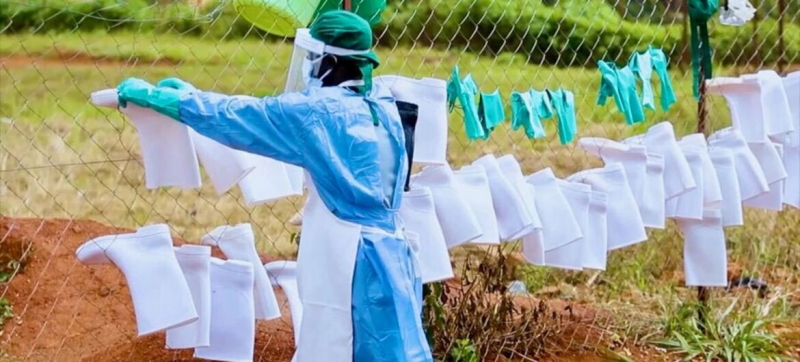

© VPP/A. Seros-Muisa The record size of the Ebola epidemic in the DRC is significantly complicating efforts to contain it. Ebola outbreak in DR Congo spreads to displaced persons camps Health
UN humanitarian agencies are on high alert amid reports that the fast-spreading Bundibugyo Ebola virus in the Democratic Republic of the Congo (DRC) has infected 19 internally displaced people, killing five. This was reported by the Office of the United Nations High Commissioner for Refugees (UNHCR).
On Friday, UNHCR confirmed that cases of Ebola infection have been identified in at least five of the 69 camps for displaced people in Ituri province, further complicating the fight against an already dangerous outbreak. more than 1,800 deaths. The epicenter of the spread of the disease remains the province of Ituri.
UNHCR emphasizes that no cases of the disease have yet been identified among refugees and asylum seekers. Otherwise, there would be a threat of the virus spreading beyond the DRC.
As noted by the Director-General of the World Health Organization (WHO), Tedros Adhanom Ghebreyesus, the record scale of the epidemic significantly complicates efforts to contain it. Kinshasa.
Increased risks for the camps
The provinces of Ituri, North Kivu, South Kivu, Haute-Uélé and Tshopo, where Ebola cases have been confirmed, are currently home to some 4.4 million internally displaced people. The regions affected by the outbreak largely coincide with those most affected by the ongoing conflict in eastern DRC.
UNHCR warns that residents of displaced persons camps often lack access to water and sanitation infrastructure and often lack trust in health services. All this creates favorable conditions for the further spread of the Ebola virus.
Increasing anti-epidemic measures
The United Nations, together with humanitarian partners and the authorities of the DRC, continues to increase measures of epidemiological surveillance, laboratory testing, treatment of sick people and interaction with local communities. UN peacekeeping forces in the country are also trying to prevent attacks on medical facilities.
In May, UN Under-Secretary-General for Humanitarian Affairs Tom Fletcher announced the release of $60 million from the Central Emergency Response Fund to combat the Ebola outbreak. At the same time, WHO and its partners continue to establish and support specialized treatment centers for the disease.
With the number of new cases doubling in several hotspot areas over the past week, Dr Tedros called for strengthened anti-epidemic measures. These include strengthening coordination with the national government, protecting and supporting health workers, and accelerating public access to treatment and safe funeral rites.
“WHO remains committed to working with the Government of the DRC, the Africa Centers for Disease Control and Prevention and all partners. Together we will stop this outbreak,” said the WHO chief.