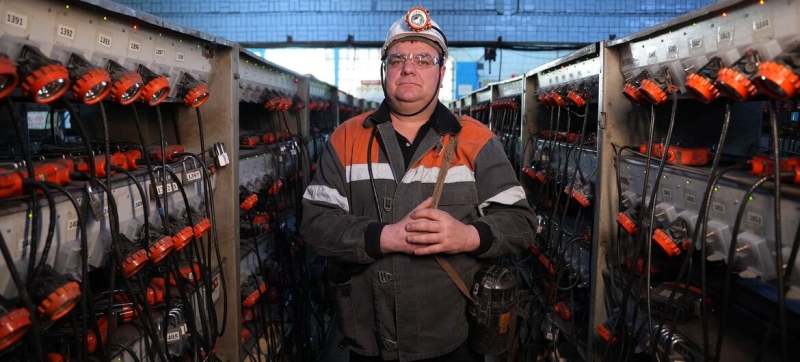

© UN in Kazakhstan A miner prepares for his shift at a mine in Kazakhstan. From lithium to nickel: How the UN is helping countries make the most of critical minerals Economic Development
The global transition to clean energy is rapidly increasing demand for the critical minerals lithium, nickel, cobalt and copper, but it must be remembered that extracting these resources is the simplest part of the process. The United Nations helps nations ensure that valuable resources create decent jobs, protect the environment, and benefit local communities beyond supply chains.
Argentina
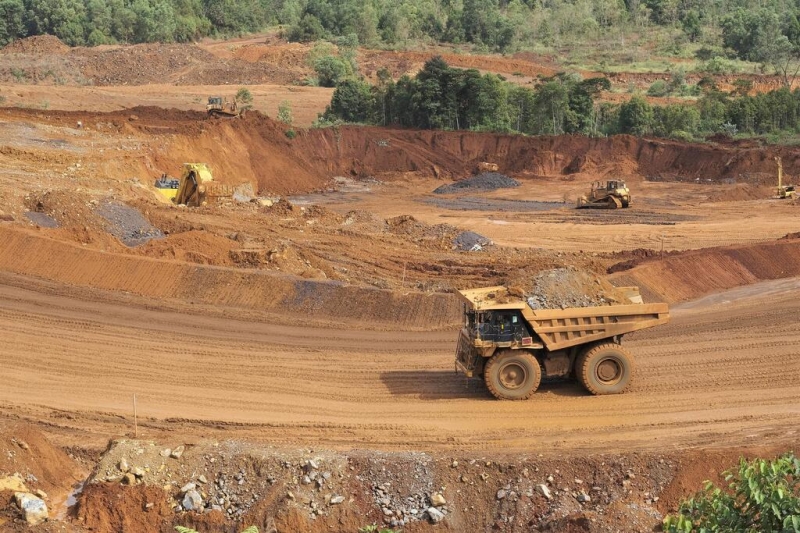
Argentina has some of the world’s largest lithium reserves, making it a key supplier of raw materials for batteries used in electric vehicles and renewable energy. The UN is helping to ensure that ordinary Argentines are involved in decisions about how the mining sector will develop. The organization promotes dialogue between government, companies, workers and indigenous peoples to jointly address critical issues, from protecting the environment to expanding economic opportunity. The UN is also helping Argentine provinces strengthen financial planning to ensure that most of the benefits from lithium mining stay in local communities, as well as supporting job training programs and efforts to increase women’s participation in the industry. © Adobe Stock/E. Zani Cobalt mining in the east of the Democratic Republic of the Congo is an area controlled by armed groups. The Democratic Republic of Congo (DRC) produces about 70 percent of the world’s cobalt, a mineral needed to make batteries used in electric vehicles and energy storage systems. The UN is supporting efforts to ensure that the extraction of critical minerals contributes to the country’s broader economic development. This includes helping to strengthen government policies, promoting responsible business development, and supporting local businesses to participate in emerging battery and electric vehicle supply chains. Read also: Indonesia is one of the largest producers of nickel, a key component in electric vehicle batteries. The country is committed to moving beyond exporting raw materials to developing higher value-added products domestically. The UN supports these efforts by helping to improve industrial standards, introduce cleaner technologies, and increase domestic value addition in critical mineral supply chains. The organization also helps strengthen health and safety, develop green skills needed for a changing economy, and share experiences with other mineral-producing countries through cooperation mechanisms in the field of sustainable extraction and responsible resource management. © Adobe Stock/Mirwanto Work at a nickel mine in Indonesia. Kazakhstan is working to improve governance of the critical minerals sector amid growing global demand. The UN supports efforts to strengthen controls over critical minerals supply chains, helping to align national regulations with international standards and identify risks associated with crime, corruption and weak accountability. The Organization’s support also includes improving mine safety and labor standards, promoting responsible business practices in line with UN guidelines on human rights, and exploring ways to recover valuable materials from e-waste to reduce the need for new mining. Zambia’s rich mineral resources play an important role in the clean energy transition. The UN is helping the country ensure that mining creates new opportunities for workers, local businesses and communities. Such support includes developing a national skills strategy for the mining sector, preparing workers for jobs in mining and battery manufacturing, and helping small and medium-sized enterprises participate in emerging electric vehicle supply chains. The UN is also working with artisanal and small-scale miners to help improve safety, strengthen environmental measures and support the formalization of their activities. Local communities are involved in monitoring the environmental impacts of mining together with government agencies, universities and mining companies, which helps build confidence in mining projects. Materials collected by the UN Office for Development Coordination.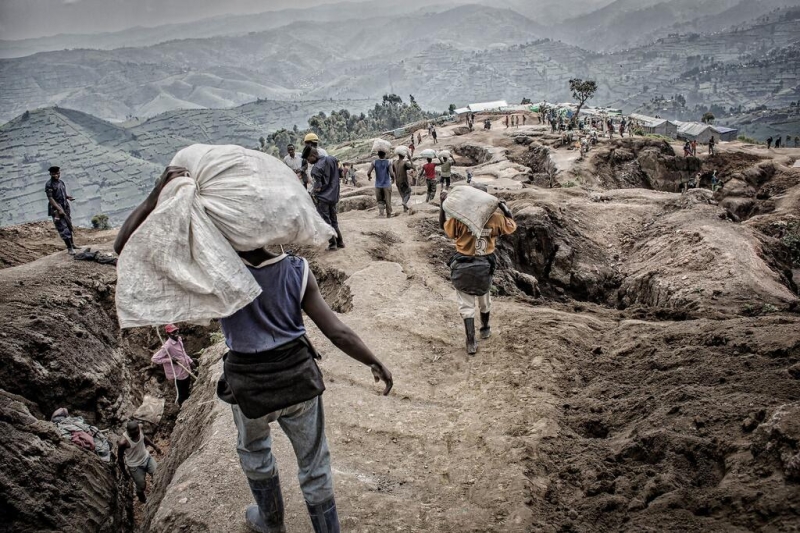
DR Congo
Soaring demand for critical minerals is transforming the world trade
Indonesia
Kazakhstan
Zambia