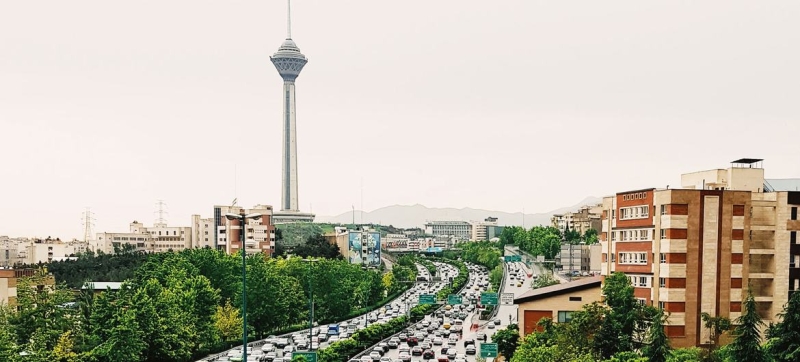

Photo Unsplash/M. Rajabi Tehran, capital of Iran. Drug trafficking networks in West Asia are shifting from opium to synthetic drugs Peace and Security
In the first quarter of 2026, Iranian authorities, with support from the United Nations Office on Drugs and Crime (UNODC), seized 3,663 kilograms of methamphetamine destined for Europe and the Gulf States.
These are not just street-level busts: these seizures were the result of five intelligence-led operations targeting large-scale drug shipments coming from Afghanistan. This suggests that drug trafficking networks in the region are increasingly turning to synthetic drugs.
The Switch from Opium to Methamphetamine
While the international community was focused on reducing opium poppy cultivation, criminal networks were able to adapt and rebuild their operations. Today, Western Asia is becoming the center of rapid growth in the production and trafficking of synthetic drugs.
Iran occupies a key position on the Afghanistan-West Asia route, which is the main corridor for smuggling these prohibited substances. The country’s authorities emphasize that large quantities of drugs are intercepted before they reach international markets. However, greater international cooperation is necessary for success.
These deliveries cannot be considered merely as statistical indicators. Each seizure disrupts the supply chain that would otherwise lead to methamphetamine on the streets of European and Gulf states. In addition, such raids reduce the income of organized crime groups.
Measures by the UN Office on Drugs and Crime
Under the Partnership Program and Cooperation Framework with the Islamic Republic of Iran, the UN Office on Drugs and Crime is supporting the country’s efforts. This assistance includes the introduction of modern border control technologies through the supply of drug-detection scanning equipment, strengthening the capacity of crime laboratories to identify new synthetic compounds, and the development of regional intelligence sharing. However, the scale of the problem requires not only financial assistance, but also a collective, long-term approach from the international community. By supporting UNODC activities in Iran, donor states are investing in regional stability and international security while protecting their own borders from the flow of illicit substances.