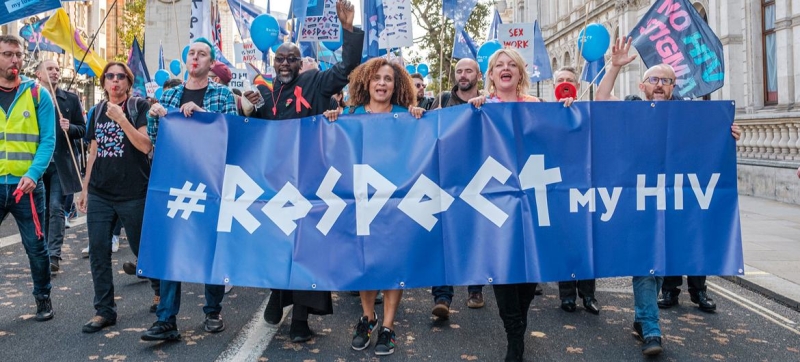

Unsplash/E.A.Unuabona Demonstration in support of the rights of people living with HIV in London. Cyberattacks and the digital divide: New barriers to accessing HIV services Human rights
Cyberattacks, personal data breaches, online stalking and digital violence are increasingly significant barriers to HIV/AIDS prevention and treatment. As health and social services digitize, people’s privacy must be protected while inequalities are prevented.
Daria, a specialist at the Joint United Nations Program on HIV/AIDS (UNAIDS), spoke about why cybersecurity in the provision of HIV services has become one of the areas in countering the epidemic. Outline.
Lessons from the pandemic
UNAIDS’s interest in digital security intensified significantly during the COVID-19 pandemic, when, due to lockdowns, many services related to HIV prevention, testing and treatment had to be urgently transferred to online format.
However, access to digital technologies was far from equal. Ocheret cited the example of Zimbabwe, where a clinic posted detailed information on its website about obtaining antiretroviral drugs during the lockdown. However, many people living with HIV in the country used mobile Internet packages that provided access only to social networks and instant messengers, but not to traditional websites.
“It was this gap between the way we thought we could use digital capabilities to facilitate access to services and what was actually available that really struck me at the time,” she told UN News Service.
Read also: Uzbekistan with HIV infection: “I have a bright future ahead of me, and I will achieve my goals”
In Kazakhstan, an organization created by women living with HIV helped its clients obtain the QR codes they needed to visit medical facilities during the pandemic: some did not have their own phone, others did not know how to use a new one system.
According to the UNAIDS employee, these examples showed that the digital divide exists not only between countries, but also within individual communities. Among people living with HIV, representatives of the LGBTQI community, sex workers and people who use drugs, there are both active users of technology and those who do not have their own device, stable Internet or the necessary skills. Outline.
From potential threat to actual attacks
In 2020, UNAIDS supported a project to develop digital security skills among women’s organizations in Kazakhstan, Belarus and Ukraine. The participants were trained in the use of VPN and other means of protection.In 2025, as part of the UNAIDS global project to support LGBTI communities, a survey was conducted in which 21 organizations from 17 countries took part. It turned out that most of them had already experienced cyber attacks, and repeatedly. The study also revealed significant gaps in organizations’ readiness to respond to digital threats. Based on the findings, a practical guide and training module on digital safety and preventing gender-based violence using technology were developed.
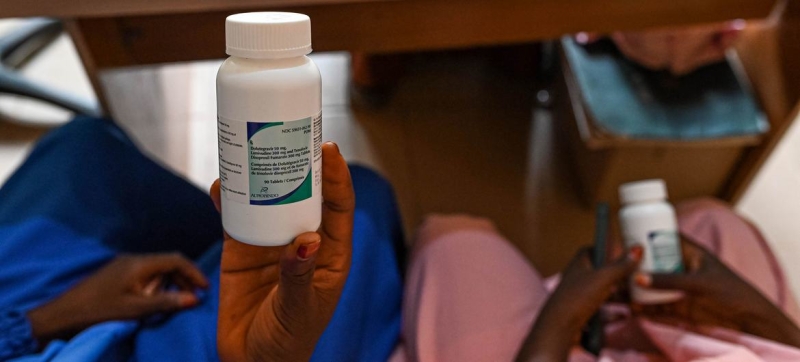
© UNICEF/A. Adesegun Cyberattacks, personal data breaches, online harassment and digital violence are becoming increasingly significant barriers to HIV/AIDS prevention and treatment.
According to Ocheret, digital violence cannot be seen in isolation from the situation in the “physical” world: offices, shelters and other premises of LGBTI organizations are being attacked. According to 2025 data, 64 countries criminalize certain aspects of same-sex relationships – this is a third of the world’s states. The Global AIDS Strategy sets a goal of reducing the number of countries with such laws to 10 percent. The new Political Declaration on HIV/AIDS, signed on June 22 of this year, confirmed the countries’ intention to move in this direction.
“It cannot be said that digital technologies have provoked an increase in violence. They simply become another platform where it is possible to harm key groups and organizations that work with them,” emphasized the UNAIDS specialist.
Data leaks can threaten people
Ocheret named the most serious risk for organizations as access of outsiders to customer databases, employee data and internal documents. This threat is particularly acute where same-sex relationships, sex work or drug use are criminalized and where legislation may be used against organizations providing health and social services to such groups.
In Eastern Europe and Central Asia, project partners reported fake dating app profiles, illegal phone checking, social media surveillance of activists, blackmail and distribution misinformation.
Thus, according to UNAIDS partners, one of the organizations in Central Asia, after a series of hacks, phishing attacks and surveillance, was faced with a leak of office addresses and lists of activists. Employees were subjected to blackmail, online harassment and hate speech, after which the organization was forced to cease operations. Activists later resumed their activities under a new structure and developed a cybersecurity policy, but due to lack of funds they were unable to regularly update protection and provide employees with secure devices.
Digital services: new opportunities and new risks
Amid funding cuts, digital tools are becoming an increasingly attractive way to reach more people at lower costs. There are already successful chatbots and remote services for key populations.
In Brazil, for example, a chatbot was created for young transgender people. According to a UNAIDS representative, this format can be convenient and inspire trust: people are sometimes willing to tell a chatbot information that they would not share even with a social worker. However, widespread adoption of such chatbots is only possible if privacy and data protection are guaranteed.
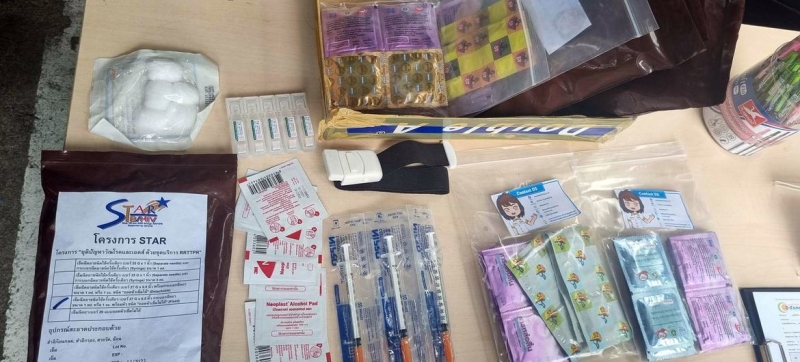
© UNAIDS Thailand/S.Mart Discrimination prevents access to life-saving HIV/AIDS prevention and treatment services.
“If a person asks a question about the side effects of medications to prevent or treat HIV, the question itself may indirectly indicate that he or she is living with HIV. In conditions of stigma and criminalization, this can become a threat,” Ocheret noted.
Phone sharing poses an additional problem. In Kenya, researchers found that many people share a device with relatives, neighbors or acquaintances. In these circumstances, a chatbot message or search history could reveal HIV status, sexual orientation, or other sensitive information.
Such digital threats can negatively impact mental health, prevent people from accessing services and staying in treatment, and weaken the functioning of organizations communities.
Technological solutions
Artificial intelligence is already being used in vaccine and drug research, analysis of epidemiological data, procurement planning and consulting. But systemic solutions that would guarantee equal access and safety for people from criminalized and stigmatized groups are not yet enough.
Ocheret also warned that digital technologies can increase inequalities between organizations themselves. Those with more resources can purchase secure software, hire IT specialists, and use paid versions of AI tools that provide better data protection. Small organizations often do not have this capability.
UNAIDS is not committed to creating universal digital tools on its own. The program’s goal is to support solutions developed by communities themselves and help spread successful experiences.
Among practical recommendations, Ocheret named regular assessment of digital and physical risks, updated security protocols, availability of contacts of qualified lawyers and a separate budget line for the protection of the organization.
ECOM, one of the UNAIDS partner organizations in the region Eastern Europe and Central Asia, for example, created a self-assessment tool that allows nonprofits to check how secure their employees, devices, documents and customer data are, and to determine where new protocols or training are needed.
“The problems lie not in virtual reality or artificial intelligence. They simply become an additional tool for attack. The reason for vulnerability is stigma, cultural norms and legislation,” emphasized the representative of the UN agency.