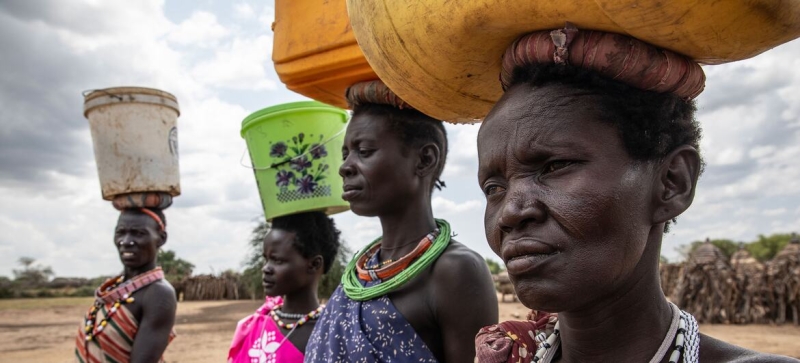

© VPP/G. Vivacqua Women in South Sudan go in search of water. Top news of the day | Friday: Iran, Sudan, education, South Sudan UN
The main news of the day in the UN and in the world: the Security Council discussed the Iranian nuclear program, cholera is spreading in Sudan, the UN calls for increased investment in education, the UN is helping South Sudan prepare for drought.
Iranian nuclear program
The UN Security Council discussed the implementation of resolution 2231, which in 2015 approved the Joint Comprehensive Plan of Action on the Iranian nuclear program. The meeting took place against the backdrop of a new escalation of tensions in the Middle East. According to UN Deputy Chief of Political Affairs Rosemary DiCarlo, since the start of attacks on Iran by the United States and Israel on February 28, the International Atomic Energy Agency (IAEA) reported a significant deterioration in its awareness of the situation. At the same time, as DiCarlo noted, interested parties continue to confirm that a settlement must be achieved diplomatically.
Cholera in Sudan
A new cholera outbreak in war-torn Sudan has already claimed more than 100 lives, raising concerns about the fate of vulnerable communities, including in besieged El Obeid, where daily drone attacks are hampering access for humanitarian aid. At a briefing for journalists in Geneva, the World Health Organization’s representative in Sudan reported more than 1,330 confirmed cases. He recalled that cholera can be prevented, but it can be fatal if not treated promptly. The rainy season is likely to significantly worsen the outbreak.
Investing in education
Four years after the historic Education Transformation Summit, UNESCO is once again bringing together leaders from around the world to find solutions to the global funding crisis. UN Deputy Secretary-General Amina Mohammed spoke at the opening of the forum in Paris, emphasizing that education remains the most important factor in sustainable development, peace and empowerment. International aid for education could fall by 30 percent between 2023 and 2027, with 113 countries spending more on debt servicing than on educating their children, according to new UNESCO data. Sudan and the World Food Program (WFP) have launched a first-ever drought response plan that will help more than 65,000 people before the full extent of the crisis. As part of the plan, WFP has already begun providing cash assistance to families and issuing drought warnings. This will allow residents to prepare in advance for adverse conditions and reduce the risk of further deterioration of the hunger situation.