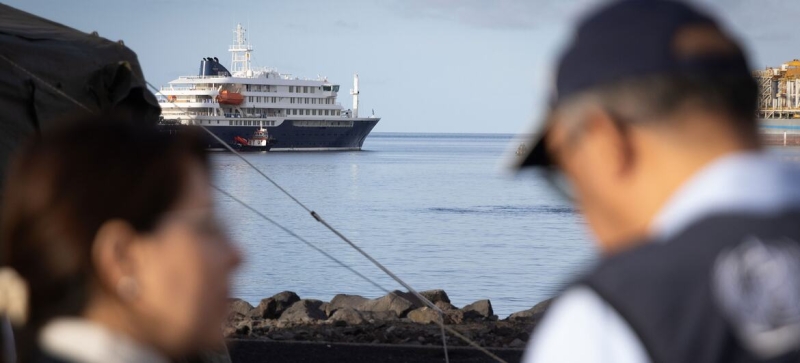

© WHO/H. Halldorsson WHO head Tedros Ghebreyesus in Tenerife, where a cruise ship with hantavirus-infected patients on board arrived. WHO on hantavirus: there are no signs of a widespread outbreak, but the situation may change Healthcare
So far, 11 cases of illness caused by hantavirus have been reported, including three deaths. All 11 cases were identified among passengers and crew members of the MV Hondius. There is currently no indication that we are facing a larger outbreak, but this may change.
The Director General of the World Health Organization (WHO), Tedros Adhanom Ghebreyesus, announced this on Tuesday. Nine of the eleven cases are confirmed to be Andes virus (a type of hantavirus that spreads from person to person), with another two considered probable.
“These numbers have remained largely unchanged over the past week thanks to the efforts of several governments and partner organizations,” the WHO chief said. “No new deaths have been reported since May 2, when WHO first received information about the cluster of cases.”
According to him, all patients with suspected and confirmed infections have been isolated and are under strict medical supervision. “This minimizes the risk of further transmission,” he added.
These numbers have remained largely unchanged over the past week thanks to the efforts of several governments and partner organizations
There is no indication at this time that we are facing a larger outbreak, but the situation may change, says the head of WHO.
He warned that, given the long incubation period of the virus, new cases of the disease could be identified in the coming weeks. Each country to which passengers have been repatriated is responsible for monitoring their health, Ghebreyesus stressed.
On Sunday and Monday, passengers and crew of the cruise ship MV Hondius disembarked on Tenerife. The operation took place under the strict supervision of Spanish health authorities and WHO representatives, including the head of the organization. About 30 crew members remained on board the ship and went back to the Netherlands, accompanied by a medical team.
“WHO is aware of reports of a small number of patients with symptoms consistent with infection with the virus,” the head of WHO noted. “The organization reviews each such report with the relevant countries.”
WHO recommends active monitoring of such people either in a designated quarantine facility or at home for 42 days from the last possible exposure to the virus. The last date of exposure is considered to be May 10, so the observation period will last until June 21.
Any person who develops symptoms should immediately isolate and receive treatment. “Our work is not yet completed,” the head of WHO emphasized, noting that the organization intends to continue close cooperation with the countries involved in this situation.