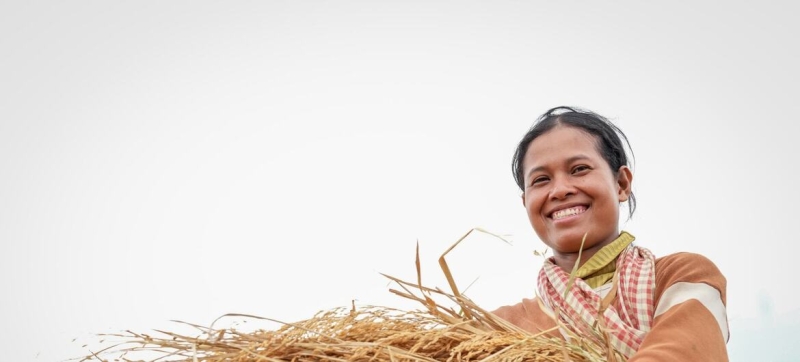

With access to Cambodian Agrometeorological Service data, Sari Kea will be able to better plan its rice farming operations and adapt to climate variability. FAO helps farmers adapt to extreme heat Climate and Environment
New analysis from the Food and Agriculture Organization of the United Nations (FAO) and the World Meteorological Organization (WMO) shows how extreme heat combines with precipitation, humidity, wind and drought to cause complex impacts affecting agriculture and ecosystems.
Sari Kea, who grows rice in northern Tonle Sap Lake in Cambodia, is used to working in the heat. However, over time, extremely high temperatures began to negatively affect the harvest. Over the past few years, they have caused significant losses in the rice harvest.
“We had to sow the seeds again and again, but we never got any rain,” she says. Each failed attempt resulted in lost income, additional costs and increasing uncertainty about the next season. A similar situation is observed not only in Cambodia, but also in many other countries.
Extreme heat refers to periods when day and night temperatures exceed normal values for a sufficiently long time, resulting in physiological stress to crops and animals, aquatic species, forest ecosystems and people, and causing direct damage to them. The consequences include reduced yields, deterioration of fish stocks, increased risk of fires and unsafe working conditions for farmers.
Adaptation requires investment in heat-resistant plant and animal varieties, new practices, and tough decisions about what can continue to be grown and where. However, farmers also need solutions for the coming seasons. With extreme heat expected to increase in the coming years, practical measures are most urgent. Below are just four possible solutions to extreme heat.
Early Warning
Farmers can’t prepare for something they don’t know about in advance, which is why early warning systems are one of the most effective tools for protecting against extreme heat. However, temperature forecasts alone are not enough. Forecasts must be translated into practical recommendations tailored to local conditions so that farmers can make informed decisions.
In Cambodia, the Green Climate Fund (GCF)-funded project PEARL is supporting some 450,000 farmers in four provinces, enabling them to prepare ahead of dangerous extreme heat waves. The project will install and upgrade weather stations and disseminate crop-specific advisories through a mobile app, with notifications provided in both text and audio formats, making them accessible to farmers with low literacy levels.
For example, at the start of the hot season in April, Cambodian farmers were advised to maintain soil moisture through mulching. When forecast temperatures are above 38°C, it is recommended to shade vegetable crops, store additional water, reschedule watering to cooler times of day, and protect harvested produce from direct exposure to sunlight.
With early warning, heat is no longer a surprise and becomes something you can prepare for in advance. Specific measures depend on crops, animal species and local conditions, but the general principle remains the same: combine locally adapted advice with the provision of basic resources to reduce the effects of heat stress.
In some cases, this means shading crops, installing fine irrigation systems, or increasing water supplies. Others involve changing management practices, such as changing planting dates, feeding cattle at cooler times of day to reduce additional heat exposure, or providing sun protection primarily for birds that cannot regulate their body temperature through sweating.
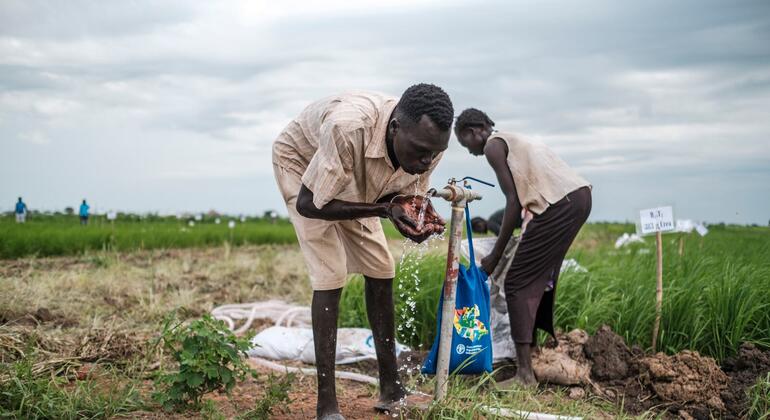
Tolerant varieties and breeds
As extreme heat becomes common, it may be necessary to switch to crops that are more tolerant of high temperatures or water stress and, in some cases, to switch from raising cattle to raising goats and sheep that are more tolerant. heat.
In both Laos and the Gambia, FAO and the Global Environment Facility (GEF) have integrated early warning systems and agro-climate advisories with the introduction of heat- and drought-resistant crop varieties, allowing farmers to not only predict heat stress in advance, but also factor it into crop planning. Pakistan is already making progress: an FAO-GCF project is growing field-tested, heat- and drought-tolerant cotton and wheat, as well as heat-protection techniques such as mulching, providing returns of up to eight dollars per dollar invested.
Protection of food power
Extreme heat also accelerates post-harvest spoilage, turning heat stress into lost income and reduced nutritional quality. An estimated 526 million tons of food—about 12 percent of the world’s total—is lost or wasted due to inadequate cooling, and heat waves exacerbate the problem. In Jamaica, the Green Climate Fund is facilitating the FAO-supported Climate Change Adaptation Project, which is developing solutions to storage using solar energy. This allows small producers to keep their produce marketable even in extreme heat.
Farmer Health Risks
Extreme heat is becoming one of the most serious health threats to farmers, causing dehydration, kidney damage and chronic disease, as well as placing additional stress on systems health care.
More than one-third of the world’s workforce—about 1.2 billion people—are at risk each year from exposure to heat in the workplace, with agriculture among the most heat-vulnerable sectors. To protect workers, heat should be considered a workplace hazard and work arrangements should be made based on the weather forecast, including access to shade, drinking water, and regular breaks. for recreation, as well as providing introductory training on recognizing early signs of heat stress.
For Sari Kea, extreme heat is no longer a threat that can destroy crops. This is a factor for which she can prepare in advance. With timely warnings, she can change her routine, protect her crops, and keep her family safe.
This is what extreme heat preparedness is all about for farmers already feeling the effects of rising temperatures: early warnings that lead to action; practical recommendations; storage systems that prevent product spoilage; and basic protections for people working in agriculture. Extreme heat has already begun to change the agricultural sector – and this is how farmers can prepare for these changes.