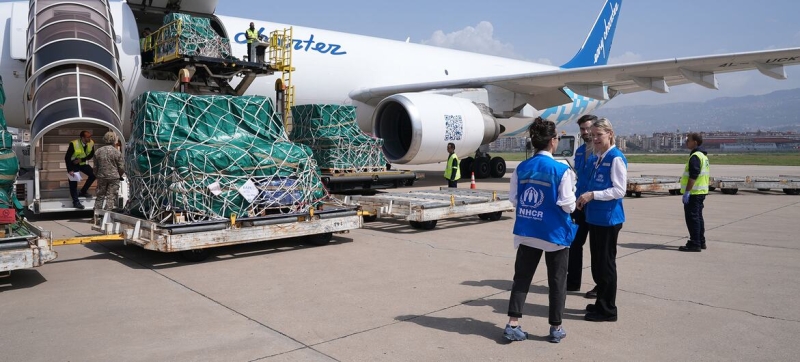

© UNHCR/Houssam Hariri Humanitarian aid has been delivered to Lebanon. The crisis in the Middle East is complicating the delivery of aid and overloading the health system Humanitarian Aid
Humanitarian organizations around the world are facing challenges as the crisis in the Middle East disrupts global supply chains and impacts the delivery of life-saving aid.
According to the United Nations Refugee Agency (UNHCR), the consequences of the crisis are already reaching far beyond the region. This is especially acute in Asia and Africa, where humanitarian actors are facing soaring costs and logistical disruptions. Rising fuel prices and shipping costs, as well as instability along key routes, including the Strait of Hormuz, are causing supply delays and forcing aid agencies to use longer, more expensive routes.In some cases, transport costs have more than doubled and delivery times have increased significantly, further complicating the work of humanitarian organizations. As UNHCR representative Carlotta Wolf emphasized, rising prices for transport and fuel have a particularly painful impact on people caught up in emergency situations. According to her, if the disruptions continue, it could reduce the scale and slow down the delivery of assistance to millions of people in need.
The day before, the UN Secretary-General warned that if the situation does not change, the global economy will face great difficulties. The UN, as noted, is making efforts to prevent the food crisis from worsening further.
The head of the UN Office for Project Services (UNOPS) will travel to the region in the coming days to negotiate a mechanism that will facilitate the transit of fertilizers and related raw materials. It is expected that this mechanism will help partially stabilize global supplies and reduce food security risks, especially in countries in Africa and Asia that are most vulnerable to disruptions in international trade and logistics.
Health Situation
The health situation remains tense in crisis-stricken countries, including Lebanon and Iran. Despite ongoing ceasefire agreements, health systems in these countries continue to operate under challenging conditions, the World Health Organization (WHO) said.
In Lebanon, large numbers of health facilities remain closed and access restrictions continue to hamper care delivery, although medical supplies remain generally stable. In contrast, Iran is experiencing shortages of medicines and medical supplies, negatively impacting the health system, with consequences extending beyond immediate combat zones.
WHO warns that disruptions to basic health services, including maternal and newborn care, could have dire consequences. The agency also notes that it has already delivered more than $3 million in medical supplies, providing assistance to approximately seven million people in Gaza (via Egypt) and Afghanistan through land and air routes. At the same time, WHO is monitoring attacks on medical infrastructure and identifying areas where urgent support is required.