

Unsplash/E.Ann Society still perceives old age almost exclusively through the prism of helplessness and decline. Population aging requires a new approach to protecting the rights of older people, says UN expert Human rights
The world’s population is rapidly aging, and cognitive impairment is becoming more common. This was stated by independent expert on the rights of older people Zvezdan Pirtošek, presenting his report at the 63rd session of the UN Human Rights Council.
The focus of his attention was the problem of protecting the rights of those who are faced with age-related changes in the functioning of the brain. However, society still perceives old age almost exclusively through the prism of helplessness and decline. This approach not only distorts attitudes towards the elderly, but also quietly creates low standards of care and work of social services.
Pirtošek said his main goal was to understand what happens to a person’s rights when his thinking functions decline, and society responds to this with “ageism,” that is, discrimination based on age. Often a medical diagnosis becomes more important than the patient himself, and those around him write off the person and decide everything for him.
As a neurologist with many years of experience, Pirtoshek emphasized: changes in brain function and personality decline are far from the same thing. Even having lost the ability to clearly formulate thoughts, a person retains his values, habits and way of life.
“Cognitive impairments do not diminish the dignity of a person, do not deprive him of his agency and do not cancel his fundamental rights,” the expert said.
The real legal problem arises when a medical diagnosis is used as a reason to declare a person incompetent, notes Pirtoshek. If it is difficult for an elderly person to speak, it does not mean that he cannot express his consent or refusal.
International norms establish equality before the law, respect for the will of a person and his right to choose. The expert emphasized that the universality of human rights undergoes the main test of strength precisely when it becomes difficult to protect them.
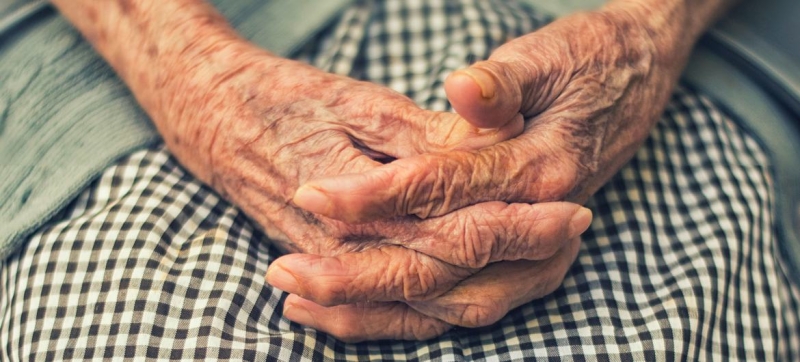
© Unsplash/D. Franco Even having lost the ability to clearly formulate thoughts, a person retains his values, habits and lifestyle, the expert believes.
“Human rights do not lose their universality because their implementation becomes more complex. On the contrary, it is precisely in such moments that versatility is especially important,” the speaker said.
He also noted that autonomy is often confused with complete self-sufficiency, but none of us lives in absolute isolation. The task of loved ones and specialists is not to make decisions for a person, but to create conditions under which he can manage his own life.
Such support may require more time and patience. Sometimes the wishes of an older person can be expressed through a look or gesture. Everyday choice – where to live, with whom to communicate and how to spend the day – and shapes human life.
Caring for the elderly should not rely solely on the goodwill of relatives or caregivers, says Pirtoshek. The family plays a huge role, but this does not relieve the responsibility of the state, which is obliged to enshrine guarantees of their protection at the legislative level.
“Medical care and the long-term care system should be built around the person himself, and not around his diagnosis. And their effectiveness should be assessed not only by clinical indicators, but also by whether a person has retained the ability to influence his life,” the expert said. Effective measures against stigmatization must be taken so that the need for care never becomes a reason to override human rights, he stressed.