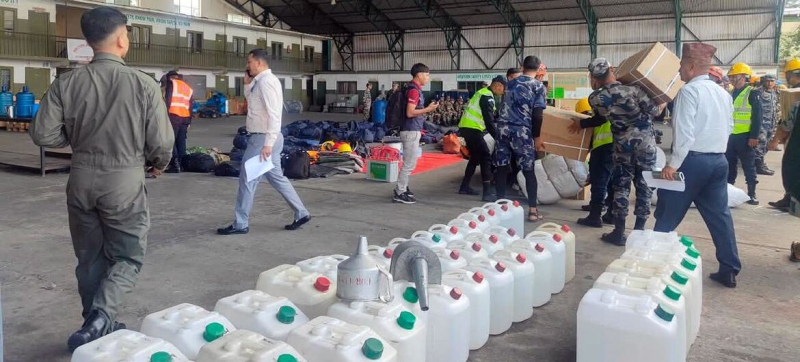

© VPP/S. Tapa Magar Kathmandu is preparing emergency supplies to be delivered to isolated mountain villages affected by floods and landslides. Floods in Nepal: Death toll rises, risks remain for vulnerable groups Humanitarian assistance
Rescue operations continue in Nepal following devastating floods. Humanitarian organizations are paying particular attention to how the disaster has affected women, girls and on ensuring the population’s access to medical care.
The death toll has reached 987 people, with another 4,247 still missing, Jens Laerke, a spokesman for the UN Office for the Coordination of Humanitarian Affairs (OCHA), said at a briefing in Geneva on Tuesday.
The catastrophic flood was caused by the collapse of a glacier in the Himalayas on the border with China. According to the Chinese authorities, 16 people have died in this country, and another 546 are still missing. week, however The International Federation of Red Cross and Red Crescent Societies (IFRC) has only now gained access to the most affected areas, including the Rasuwa area.
“Search and rescue efforts continue and the monsoon continues unabated,” said Matt Baden, director of IFRC’s crisis response operations in Nepal, speaking from Kathmandu.
Blocked waterways pose a risk of further flooding, he said, and remain the threat of landslides is real. Meanwhile, people are returning to their destroyed communities.
Women and girls need help
According to UN Women, about 43 thousand women and girls in the disaster Nepal is in need of urgent humanitarian assistance.
According to the UN agency’s regional director for Asia and the Pacific, Christine Arab, the agency’s partners on the ground report that food supplies are running low for affected women, clean water is becoming less available, and risks of violence and human rights abuses continue grow.
There is a danger that women will be excluded from decision-making regarding disaster response and recovery.
Disaster exposes inequalities
Speaking to reporters in Geneva from Bangkok, Arab said many people who would normally receive humanitarian support – pregnant women nursing mothers, people with disabilities – were swept away by the elements because they were unable to reach higher ground.
“This is what happens when disaster meets inequality: those who have already been neglected often suffer first,” she said.
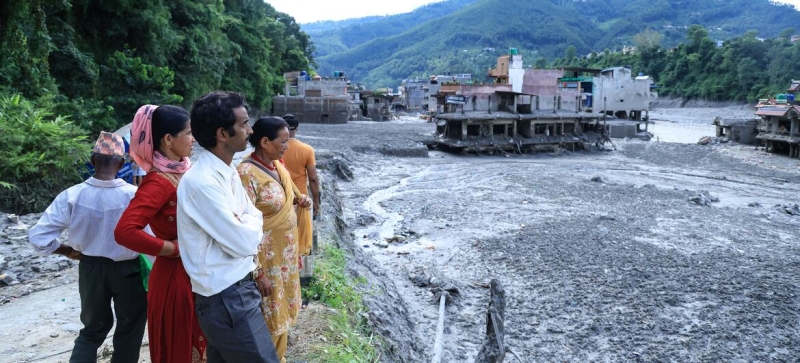
© UNICEF/L. Prasad Ngahusi Consequences of floods in Nepal.
Arab reminded that even before the floods, women and girls in the Rasuwa area were forced to spend long hours every day, walking long distances to get water. she.
The role of women in recovery
According to a representative of UN Women, the most pressing problem at the moment is food shortages.
In addition, natural disasters increase the risks of gender-based violence, exploitation and trafficking, and damaged infrastructure and disrupted communications make it difficult to seek help and access protection services.
“The humanitarian response must take into account the experiences of women and girls,” Arab said. “Help must reach them, and they must be one of the key drivers of Nepal’s recovery.” Access to health care Restoring access to health services also remains a priority, World Health Organization (WHO) spokesman Christian said Lindmeier.
Six health facilities are damaged or destroyed, and two more remain inaccessible.
Lindmeier stressed that while immediate efforts are focused on life-saving measures, it is “equally important to prevent secondary impacts on public health.” health.”
He explained that flooding, population movements, overcrowding and standing water increase the risk of disease outbreaks. In this regard, WHO is supporting Nepal with epidemiological surveillance in both flood-affected areas and downstream communities to monitor possible increases in dengue, tsutsugamushi and other infectious diseases.
The UN agency also assisted identify needed medications, diagnostic kits and other medical supplies, and provided advice, including on infection prevention and safe and dignified management of dead bodies.