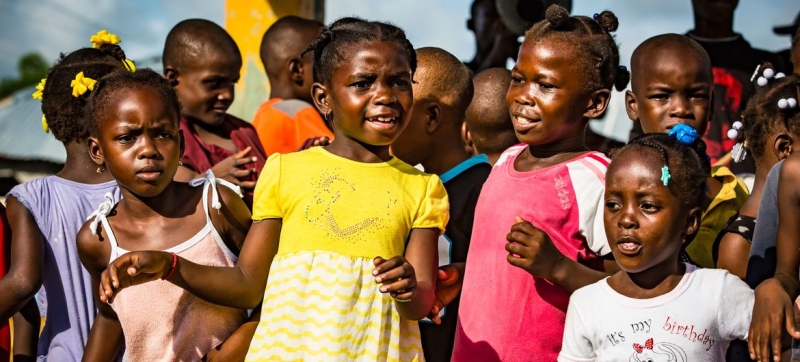

© UNICEF/M. Bradley The number of African diaspora in the modern world exceeds 140 million people. The world celebrates International Day for People of African Descent Human rights
On Monday, August 31, the world celebrates International Day for People of African Descent. This date is intended to draw attention to the outstanding contributions of the African diaspora to the development of culture, science, politics and economics, as well as to recall the need to eradicate racial discrimination and ensure equal rights and opportunities for all.
The theme of International Day 2026 is “Advancing the Human Rights of People of African Descent.” Events on this day take place within the framework of the Second International Decade for People of African Descent. This global initiative of the UN General Assembly aims to recognize the social contributions of people of African descent, promote and protect their rights, and advance racial justice around the world. The decade will run until December 31, 2034, under the theme “People of African Descent: Recognition, Justice and Development.”
From recognition to real change
The proclamation of the Second Decade reflects both the progress that has been made and the scale of work that remains to be done. During the first Decade, issues of racial discrimination and structural inequality became more prominent on the international agenda. For example, a number of countries have strengthened legal and institutional protections, taken action against racial profiling, and expanded data collection to identify inequalities in access to health care, education, social services, and economic opportunity.
However, events in recent years have shown how deeply racism is rooted in social institutions. The COVID-19 pandemic has exposed long-standing disparities in access to health care and social protection, and the killing of George Floyd in 2020 sparked mass protests in many countries and added new impetus to the global debate about racial justice, excessive use of force and law enforcement accountability.
That same year, the UN Human Rights Council adopted a resolution on the protection of Africans and people of African descent from excessive use of force and other violations of human rights by law enforcement officials. Subsequently, the UN High Commissioner for Human Rights introduced a program of change to promote racial justice and equality.
However, acknowledging the problem is only the first step. People of African descent continue to face various forms of discrimination, marginalization and social exclusion. Inequalities persist in education, health, housing and employment, and hate speech and racial prejudice are increasingly found in the digital environment.
That is why the Second International Decade must not simply be a continuation of the previous initiative, but a transition from commitments to concrete results. Its three interrelated pillars – recognition, justice and development – involve the preservation of historical memory and cultural heritage, effective protection against discrimination, access to justice and equal opportunities for full participation in public life.