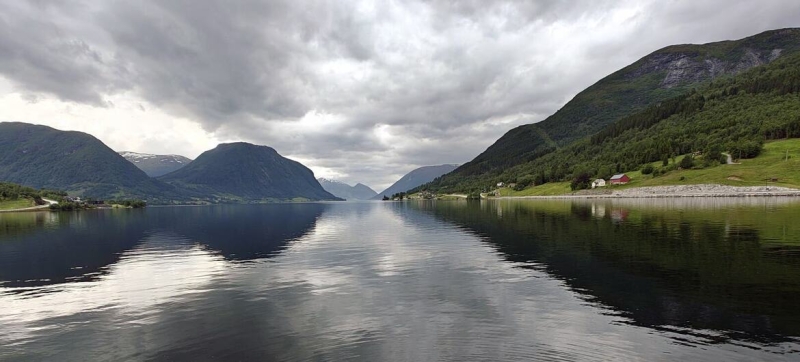

Photo by UN News Service Thanks to the lakes, many communities derive their livelihoods through fishing, tourism and related economic activities. Quiet giants of the planet: the world celebrates World Lakes Day Climate and Environment
Today, August 27, the world celebrates World Lakes Day, established by the United Nations to raise awareness of the importance of lakes and the need for sustainable management of lake ecosystems. This date is intended to remind humanity that lakes are not only a picturesque part of the natural landscape, but also one of the most important resources on which human well-being, biodiversity and climate stability directly depend.
“When you think of water, you probably think of rivers rushing to the sea, or waves crashing on tropical shores,” said Inger Andersen, Executive Director of the United Nations Environment Program (UNEP), in a message marking the day. “However, we should not forget that the quiet giants of our freshwater systems – lakes – contain 90 percent of the surface fresh water on the planet.”
Lakes play a critical role in supporting life on the planet: they provide fresh water for people, agriculture and industry, and provide habitat for countless species of fish, birds, plants and other living organisms. It is through lake ecosystems that much of the Earth’s biological diversity is maintained, and many communities rely on fishing, tourism and related economic activities for their livelihoods.
Importance of Lakes
The importance of lakes goes far beyond water supply. They help mitigate the effects of climate change by storing carbon, retaining flood waters and reducing temperature fluctuations in surrounding regions. Lakes act as natural regulators of water regime, helping to protect settlements and agricultural areas from floods and droughts.
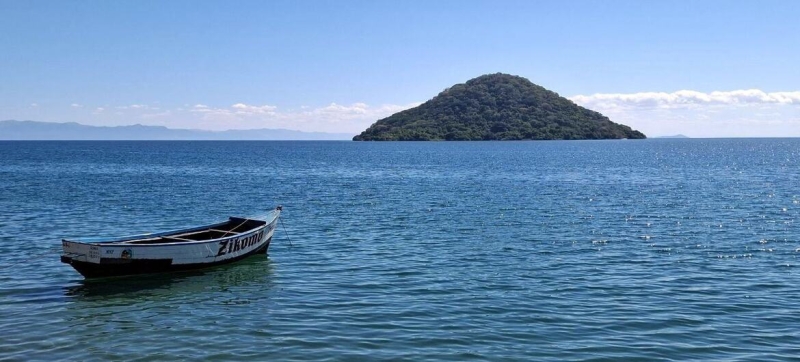
© A. Kleshchev According to UN estimates, there are more than 117 million lakes on Earth.
The UN estimates that there are more than 117 million lakes on Earth, covering almost four percent of the land area. A special place among them is occupied by Baikal, the largest reservoir of liquid fresh water on the planet. Its significance goes far beyond national boundaries.
“Baikal is one of the unique natural treasures of Russia and the whole world. It is not only a national treasure, but also a natural area of global significance. The preservation of Lake Baikal requires special attention, modern approaches and effective tools for nature conservation,” says Sergei Rybakov, General Director of the Nature and People Foundation. At the same time, according to experts, not enough attention is paid to them.
“Despite their importance, lakes still remain one of the least explored bodies of water on Earth,” recalls UNEP head Inger Andersen. “Unlike rivers, where hydrological stations are often installed, lakes are not well studied, especially in low- and middle-income countries.”
Negative trends and alarming forecasts
Population growth, intensive agriculture, industrial development and urbanization are placing increasing pressure on aquatic ecosystems. Pollution from fertilizers, pesticides, industrial effluents and solid waste leads to deterioration of water quality, decreased oxygen levels and degradation of aquatic habitats. Many harmful substances enter lakes not only directly, but also through rivers that connect entire watersheds.
Climate change is becoming an additional risk factor. Rising air temperatures and shrinking ice cover accelerate water evaporation and affect lake levels. Extreme weather events, including heavy rainfall and flooding, are increasing, further increasing stress on lake ecosystems. Scientists note that changes in water levels in many lakes around the world are occurring much faster today than in previous decades.
Alarming trends are also affecting the state of wildlife. According to the World Wildlife Fund, populations of freshwater species have declined by an average of 85 percent since 1970. This is the most significant level of decline of any major ecosystem on the planet and a strong signal that the health of rivers, lakes and wetlands is rapidly deteriorating.
Alarming forecasts call for decisive action. If current trends continue, by mid-century the ecological value of lakes could decline by about 20 percent, pollution levels could more than double, and methane emissions from degrading bodies of water could increase substantially. This will lead not only to environmental losses, but also to serious economic consequences for millions of people.
World Lakes Day reminds us that protecting lake ecosystems is not only an environmental task, but also an important condition for sustainable development. Conserving clean water, managing natural resources, and generally reducing pollution will help preserve the lakes for future generations. The state of these unique ecosystems determines the quality of human life, food security, climate stability and the preservation of the richness of the Earth’s wildlife.