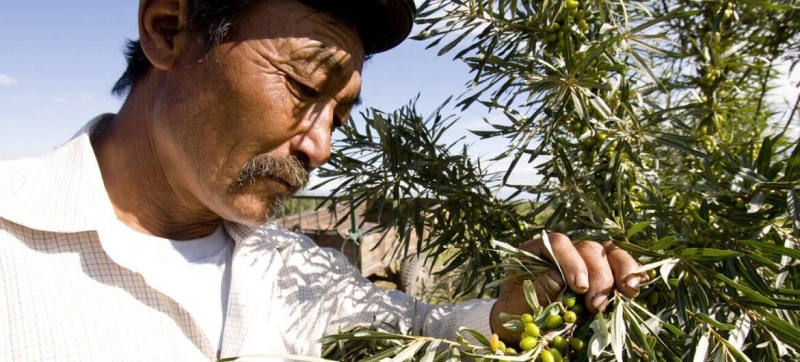

UNDP-Mongolia Climate change, biodiversity loss and land degradation are all consequences of the same unsustainable patterns of production and consumption. “Trio Rio”: why environmental conferences are important for global stability and prosperity Jaap van Heerden, UN Resident Coordinator in Mongolia; Françoise Jacob, UN Resident Coordinator in Armenia; Babatunde A. Akhonsi, UN Resident Coordinator in Turkey Climate and Environment
This year, Mongolia, Armenia and Turkey will be at the center of global efforts to address three of today’s biggest environmental challenges: desertification, biodiversity loss and climate change. In August, Mongolia will host the 17th Conference of the Parties to the UN Convention to Combat Desertification (COP-17), in October Armenia will host the Conference of the Parties to the Convention on Biological Diversity (also COP-17), and in November Turkey will host the Conference of the Parties to the UN Framework Convention on Climate Change (COP-31).
These meetings are much more than just environmental conferences. It is about economic transformation, sustainable development, social stability and the future of multilateral cooperation.
The Geopolitical Need for Green Action
The world is approaching these meetings at a time of acute uncertainty. Conflicts in the Middle East are affecting energy supplies, food security and economic activity.
Now is the time to invest in sustainability, looking at it not as an expense, but as a practical risk management strategy. Land restoration, clean energy, biodiversity protection and water security can reduce import dependence, strengthen food systems, create jobs and help people maintain incomes.
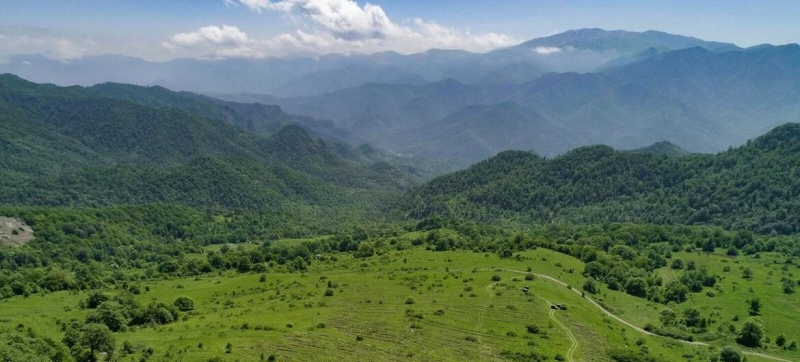
UNDP-Eurasia Now is the time to invest in sustainability, looking at it not as an expense, but as a practical risk management strategy.
The decisions taken in Ulaanbaatar, Yerevan and Antalya will largely determine whether countries can build economies based on protecting people’s rights and opening up new opportunities for them.
Three conferences – one decisive moment
The three conferences are held within the framework of conventions agreed upon at the Earth Summit in Rio de Janeiro in 1992. Their colloquial name is connected with this – “Trio Rio”. The problems they address are inextricably linked.
Climate change, biodiversity loss and land degradation are consequences of the same unsustainable patterns of production and consumption. Moreover, these phenomena reinforce each other: drought accelerates land degradation, land degradation undermines biodiversity, biodiversity loss weakens ecosystems, and weakened ecosystems exacerbate the effects of climate change.
The situation in three countries clearly demonstrates this. biodiversity and climate vulnerability – factors that reinforce each other.
In Armenia, deforestation, overgrazing, agriculture and mining activities are destroying forest ecosystems. This, in turn, affects plant pollination and water purification.
In Turkey, heat has reduced tomato yields while increasing the need for irrigation and energy.
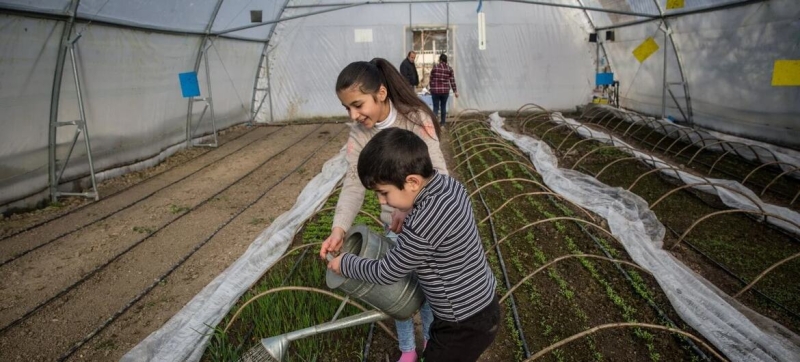
UNDP-Armenia/J. Hilton Countries face trillions of dollars in annual funding gaps for the Sustainable Development Goals.
Policy coherence is no longer a matter of choice – it is the only way to achieve results at the speed and scale required.
Together, the three meetings, as well as the UN Water Conference in December, provide an opportunity for countries to integrate development planning, climate commitments, biodiversity, land conservation, finance and digital infrastructure into a single coherent strategy.
Financing is the main unresolved issue
A key theme of all three conferences remains financing. Countries face trillions of dollars in annual funding gaps for the Sustainable Development Goals. The task is not simply to mobilize resources, but also to unite sources of funds around common goals.
Public funding must set the direction through budgets, subsidies, tax policies, public investment and procurement. International funding and specialized funds should support this direction, and private capital can be attracted through the creation of a clearer portfolio of projects, risk-sharing instruments and predictable regulation. Philanthropic and blended finance can help prepare projects and mitigate risks.
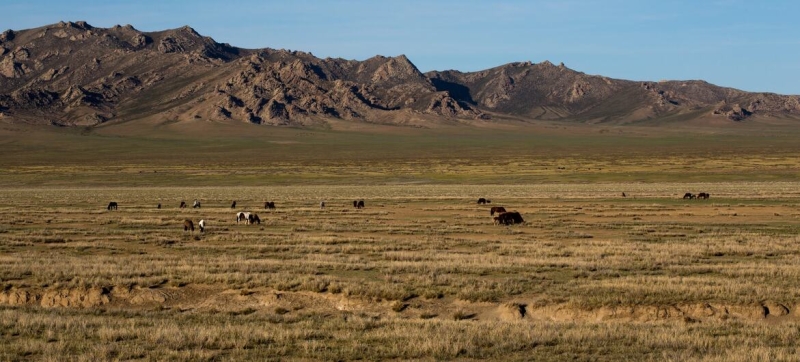
FAO/K. Purevrakchaa Almost 77 percent of Mongolia’s land resources are subject to degradation.
Financing is based on trust. Integrated strategies can reduce uncertainty, clarify trade-offs, and make projects more attractive to investors.
Whether it’s Mongolia’s need to invest in drought-resilient agriculture, Armenia’s efforts to attract financing for biodiversity conservation and natural economic chains, or Turkey’s desire to attract climate finance for green industrialization and sustainable infrastructure, the message is clear: comprehensive plans reduce risks, attract investment and accelerate results. projects, and from disparate funding mechanisms – to strategies that unite all participants at the same table.
The role of the UN
This is exactly the kind of work the UN supports in more than 160 countries around the world. The mission of the Resident Coordinators is to help governments make the most of the opportunities offered by global forums and mobilize the entire UN system to achieve results at the national level.
Mongolia is using COP 17 on combating desertification as an opportunity to lay the groundwork for long-term development that will continue after delegates leave Ulaanbaatar. Discussions on land restoration, rangeland management and drought resilience help link global environmental commitments to national development priorities.
Meanwhile, the UN in Armenia and its partners are preparing for COP17 on biodiversity in November 2026, promoting dialogue that demonstrates the inextricable link between biodiversity and climate and engages all sectors in the discussion society.
Particular attention is paid to the interaction of journalists and experts. The COP17 Media School is intended to be a flagship initiative that can be scaled and adapted beyond Armenia to promote quality coverage of future climate and environmental conferences.
In the run-up to COP31, the UN in Turkey brought together representatives from government, business, academia and youth. Their work focuses on the circular economy, industrial decarbonization, food systems, water resources, urban resilience and a just transition.
For host countries, success must ultimately be measured not only by the quality of the conferences themselves, but also by the partnerships, investments and policy changes that last long after their conclusion.