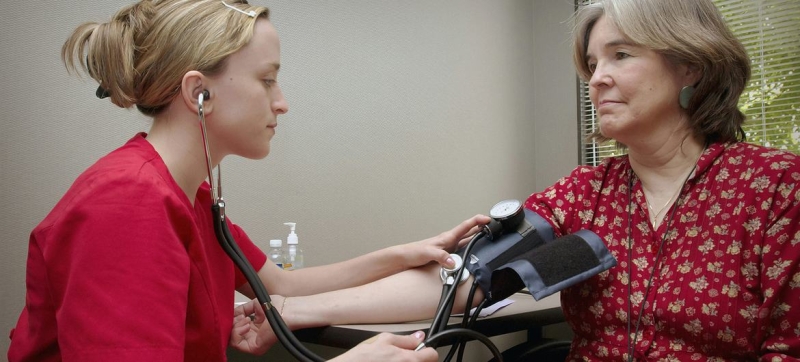

© Unsplash Cardiovascular disease is the leading cause of death in both men and women, but it often presents differently in women and may therefore go unrecognized. Not just mothers: women’s health is not getting enough attention in Europe and Central Asia Health Care
Most deaths among women occur outside of pregnancy and childbirth, but health systems continue to focus only on maternal causes. A new analysis by the World Health Organization (WHO) Regional Office for Europe reveals serious gaps in data on women’s health and mortality.
Over the past two decades, maternal mortality in the region, which includes countries in Europe and Central Asia, has generally declined. More than 98 percent of births take place in health care facilities, and approximately 99 percent are attended by skilled health personnel. However, between 2018 and 2022, more than 3,500 women died in the region from causes related to pregnancy and childbirth. Almost all of these deaths were preventable.
However, progress in reducing maternal mortality has virtually stalled since 2013, while rates have begun to rise in Eastern and Northern Europe.
Violence claims more women’s lives than pregnancy and childbirth
At the same time, according to WHO analysis, in the European Region, more women die from violence than from causes related to pregnancy and childbirth. The real scale of the problem may remain underestimated.
Violence against women is often perceived as a problem that primarily affects young girls. However, older women also face intimate partner violence, psychological violence and other forms of violence. The risk of femicide—premeditated gender-based killing—persists throughout life.
East-West Gap Continues
Decades-long gap in female mortality rates between eastern and western parts of the region has not been resolved overcome. Women in Central Asia, Eastern Europe and Western Asia face a significantly higher risk of death than women in Northern, Southern and Western Europe.
In general, mortality rates from most major causes are higher among men than among women. However, a more detailed analysis reveals another problem.
For women aged 45 years and older, the cause of death is significantly more likely than for men to be recorded in poorly defined categories, which are officially classified as “imprecisely defined causes of death.” These include statements such as frailty, cardiac arrest, heart failure, unspecified dementia or simply unknown cause.
A woman in this age group is about 14 percent more likely to have a cause of death classified in this category than a man, according to the WHO. As a result, it becomes more difficult to determine what women are actually dying from.
Why the causes of women’s deaths remain unclear
This difference can be partly explained by the fact that women live longer, and in old age a person often has several chronic diseases at the same time, which makes it difficult to determine the cause of death.
However, the WHO notes, the problem does not end there. There is growing evidence that women are being diagnosed later, are being referred less frequently for further testing, and remain underrepresented in clinical trials – especially when it comes to cardiovascular disease.
Cardiovascular disease is the leading cause of death in both men and women, but it often presents differently in women and may therefore go unrecognized. These factors influence not only how women are treated during their lifetime, but also how their causes of death are subsequently recorded.
Insufficiently accurate data has consequences that go far beyond the quality of statistics. They can hide the true extent of disease, reduce the effectiveness of prevention, and distort research priorities.
“Women are not just mothers”
As women age, they also face chronic illness, disability, and dependence on outside help. These include musculoskeletal disorders, dementia and other neuropsychiatric disorders, which can have a significant impact on quality of life, daily functioning and care needs.
However, these issues often receive significantly less attention than reproductive and maternal health, despite the fact that they account for the majority of women’s years of life with illnesses and disabilities and, ultimately, many cases of deaths.
“Women are more than just mothers, and health systems must treat them as such,” said Dr Natasha Azzopardi-Muscat, Director of Health Systems at the WHO Regional Office for Europe. “We call on Member States of the European Region to remove barriers that prevent women and girls from receiving health care, fill data gaps that obscure the real causes of women’s deaths, and integrate violence prevention into national health policies.”