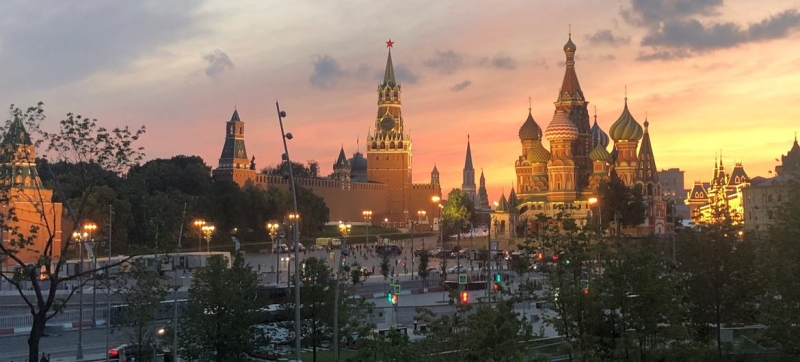

Photo by UN News Service/A. Uspensky View of the Kremlin. Moscow, Russia UN special rapporteur: new Russian law condemns government critics abroad to “civil death” Human Rights
The UN Special Rapporteur on the situation of human rights in the Russian Federation, Mariana Katsarova, warned that a new Russian law imposing sweeping restrictions on Russian exiles was the latest crackdown on government critics and opponents of the war, deepening repression at home and creating a pattern of persecution abroad.
We are talking about Federal Law No. 284-FZ “On temporary restrictive measures against persons located outside the Russian Federation and evading punishment,” signed by President Vladimir Putin on August 4. Persons subject to it are deprived of a number of civil rights and find themselves in an extremely vulnerable position, Katsarova noted.
The Ministry of Justice will maintain a public list of Russians who are abroad and have not served their sentences. Once listed, they will be subject to 14 categories of restrictions, including the freezing of funds and property, the cancellation of most consular services, including the issuance and renewal of passports, the denial of any digital government services, the ban on driving a car and entering into real estate transactions, as well as obtaining loans.
The law is positioned as a means of implementing the principle of “inevitability of punishment.” Along with criminal offenses, its use is also provided for administrative offenses, which, according to Katsarova, are politically motivated. We are talking about provisions on “foreign agents”, “undesirable organizations”, “military censorship laws” (“discrediting the armed forces” and “fake news” about the army), calls for sanctions or “violation of the territorial integrity” of the Russian Federation. Russian courts, the Special Rapporteur noted, “have been using these provisions since 2022 to punish journalists, lawyers, human rights defenders, representatives of creative professions and anti-war activists.” Motherland.”
The decision on inclusion on the list is not made by the court, she noted. The person listed is not notified of the measures and has no right of response; the measures are called “temporary”, but the law does not establish any temporary restrictions.
“Essentially, this is targeted mass punishment of opponents of the war and critics of the government with the aim of making their life outside Russia unbearable,” the statement said. “Those covered by the law retain civil responsibilities, but are deprived of most rights, which de facto makes them stateless.” Russian citizens, she said, “must ensure they can obtain and renew identity and travel documents, regularize their residence status, maintain access to banking and employment, and refrain from forced repatriation and the enforcement of determinations under this law.” Russian civil society,” added Katsarova.
Special Rapporteurs are independent experts appointed by the UN Human Rights Council to address either situations in specific countries or thematic issues in all regions of the world. They are part of the special procedures of the Human Rights Council. Special procedures experts are not UN employees and are not dependent on any government or organization. They work in a personal capacity and are not paid for their work.