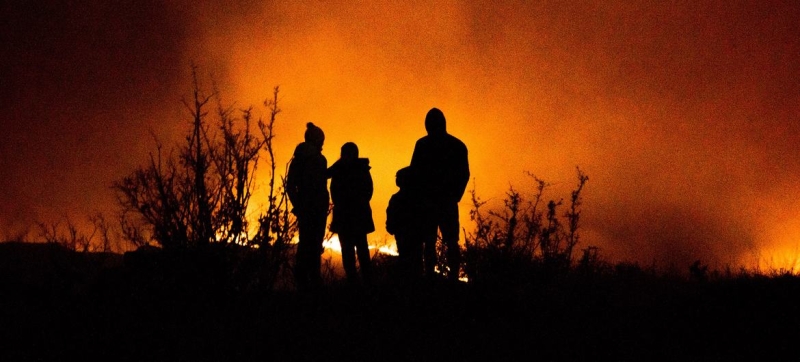

© Unsplash/K. Cook As a result of climate change, forest fires are occurring more frequently and becoming larger in size. Head of WHO Europe: forest fires in Europe are becoming a growing health threat Climate and environment
World Health Organization (WHO) Regional Director for Europe Hans Kluge warned of a sharp increase in the number of forest fires in Europe and called on countries to prepare for the fact that such disasters will become more frequent and more destructive due to climate change.
According to the data he cited, from January to July 2026, the number of reported forest fires in Portugal and Spain increased by more than 100 percent compared to the same period last year.
Kluge also noted that in 2025, fire destroyed about 2.2 million hectares of the WHO European Region. In 2022, this figure was 1.4 million hectares. Thus, in just four years, the area of land affected by fires increased by 57 percent.
Consequences of fires
According to the head of the WHO European Bureau, human tragedies lie behind these figures. Wildfires destroy homes and livelihoods, force people out of their homes, place enormous strain on emergency response services and healthcare systems, and often result in loss of life.
But it’s not just the fire itself that poses a threat. Smoke from wildfires can travel long distances, degrading air quality far beyond the disaster area. This increases the risk of exacerbation of cardiovascular and respiratory diseases, and also negatively affects mental health. The elderly, children, pregnant women and people with chronic illnesses are especially vulnerable. Wildfires can also disrupt access to health care and other public services.
Follow recommendations
Kluge urged local residents and tourists in areas affected by the fires to follow government recommendations, leave hazardous areas if possible, avoid non-essential travel and wear well-fitting face masks if necessary to go outside in heavy smoky conditions. If you experience difficulty breathing or chest pain, you should seek immediate medical attention.
Reduce risks to the public
Governments can significantly reduce risks to the public by providing timely warnings about wildfires, weather conditions and air quality, providing clear advice to protect health and ensuring access to primary and emergency health care. People at higher risk also need access to cool, clean air, hotlines and targeted support.
“As climate change continues to warm the planet, we must be prepared for wildfires to become more frequent and more intense,” he said. Kluge.
He added that the WHO Regional Office for Europe is already working with countries in the region to help assess risks, improve emergency response plans, develop recommendations to protect communities from wildfire smoke and extreme heat, and improve the resilience of health services and institutions to the impacts of climate change.