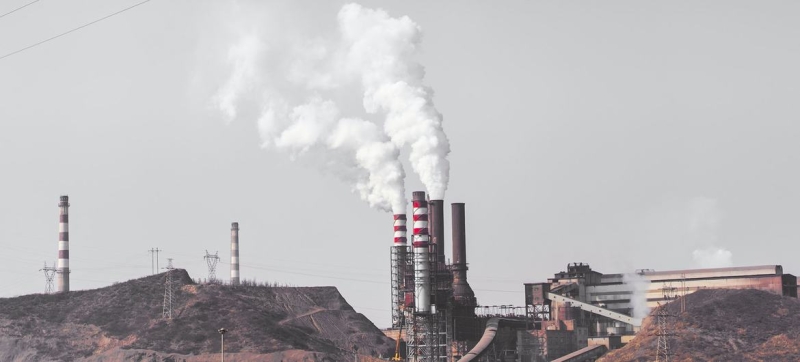

© Unsplash/J. Photon “A world dependent on coal, oil and gas is a world of economic uncertainty, waste and conflict.” UN: Fossil fuel dependence is making the world poorer and more dangerous Climate and Environment
Accelerating the global energy transition is necessary not only to combat climate change, but also to strengthen economic and national security. This statement was made by the Executive Secretary of the United Nations Framework Convention on Climate Change (UNFCCC) Simon Steele at the UN General Assembly event in New York.
Clean energy promotes economic growth, job creation and security, he said. Ongoing conflicts not only result in enormous human costs, but also disrupt global energy markets, raising prices for billions of people.
“Clean energy is safe energy,” Steele emphasized. Countries that have made significant progress in developing renewable energy, including Spain and Pakistan, have been partially protected from the worst impacts of the current fossil fuel price crisis. Conflict, economic downturn and climate shocks significantly undermine food security. Climate change is also exacerbating the effects of El Niño, and fertilizer shortages pose an additional threat to crops. As a result, food prices rise and the most vulnerable groups face food shortages and hunger.
“A world dependent on coal, oil and gas is a world of economic uncertainty, waste and conflict,” said Executive Secretary of the UNFCCC.
Southeast Asian countries’ spending on energy imports is expected to reach $160 billion this year. Meanwhile, continued use of fossil fuels will warm the planet, fueling hunger, displacement and resource shortages – factors that could fuel new conflicts.
Steele called for simultaneously strengthening countries’ resilience to climate disasters and accelerating the energy transition.
Faster and just transition
Renewable energy sources are becoming cheaper and more accessible, and related projects can be implemented faster, the head of the UNFCCC noted. According to him, the global energy transition is already irreversible, but it must happen faster and be more equitable so that all countries can benefit from it. In doing so, it is necessary to support states and communities whose economies have historically depended on fossil fuel revenues. Renewable energy development must also be accompanied by electrification and increased energy efficiency.
In particular, the largest companies working in the field of artificial intelligence need to significantly improve energy efficiency. Steele recalled the UN Secretary-General’s call for all data centers to run on renewable energy by 2030.
In addition, at the UN climate conference (COP28), countries agreed to accelerate the transition away from fossil fuels, triple renewable energy capacity and double the pace of energy efficiency improvements by 2030. stressed that to meet these commitments, it is necessary to expand international cooperation, including the creation of cross-border energy networks, the interconnection of national energy systems and the development of common standards.
As an example, Steele cited Turkey, which will chair the upcoming COP 31 conference and has announced a goal of increasing electrification levels to 35 percent by 2035 year.
According to the Executive Secretary, electrification is particularly important for small island developing States. Thus, in 2021, Eastern Caribbean countries spent more than $440 million annually on fossil fuel imports, representing 15 percent of all imports and 17 percent of their trade balance.
Necessity financing
For developing countries to reap the benefits of the energy transition and protect themselves from the impacts of climate change, they need access to finance.
Developed countries must meet their commitment to triple adaptation funding to $300 billion a year by 2035 while sticking to plan to increase total climate finance to $1.3 trillion annually.
Steele also called on multilateral development banks to expand concessional financing, guarantees and lending to attract private capital to countries where perceived risks are driving up project costs. He said governments need not just support for individual initiatives, but also systemic investments in strengthening power grids, improving legislation and preparing projects that can attract funding.
“A faster energy transition must be a core goal of governments and a critical part of national security strategies,” Steele said. He emphasized that investing in renewable energy and sustainability is in every country’s interest, and actions taken today will form the basis of long-term peace and security.