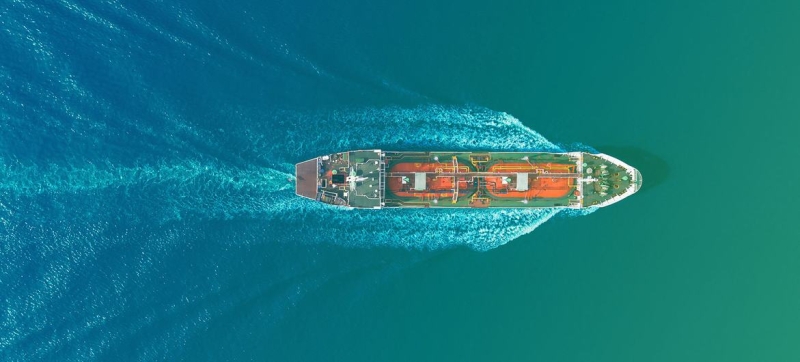

© WMO Today, shipping in the Strait of Hormuz has virtually stopped. Top news of the day | Monday: maritime security, Ukraine, nuclear threat, flu vaccination UN
The main news of the day in the UN and in the world: the security of sea routes was discussed in the Security Council, three humanitarian vehicles were hit by drone strikes in Kherson, the 11th Review Conference of the Treaty on the Non-Proliferation of Nuclear Weapons opened in New York, experts report progress in the field of influenza vaccination in Europe.
Security Council meeting on maritime security
Problems in the field of maritime security affect every port and every country, including even those states that are landlocked. UN Secretary-General Antonio Guterres stated this at a meeting of the Security Council. The high-level meeting on “Safety and Protection of Maritime Waterways” was convened at the initiative of Bahrain, which holds the Council presidency in April. The UN chief called for opening the Strait of Hormuz and allowing all ships to pass through it.
Strikes on humanitarian vehicles in Kherson
Over the past week, at least three drone strikes on humanitarian vehicles have been recorded in Kherson. Two incidents involved a local NGO, and the third involved another organization involved in food delivery. Several aid workers were also injured. According to UN partners, in the first three months of this year, at least three aid workers across Ukraine were killed and five were injured. gathered at UN headquarters to answer the most important question: whether the main international deterrent mechanism can survive. The 11th Review Conference of the Treaty on the Non-Proliferation of Nuclear Weapons (NPT) started in New York. This treaty, which entered into force in 1970, is considered one of the most important achievements in the history of the UN. The document has been ratified by 191 states. It remains a cornerstone of international security to this day.
Influenza vaccination in Europe
Countries in the WHO European Region have made significant progress in influenza vaccination over the past 15 years. However, results vary depending on the country’s income level. In 2022-2023, high-income countries received 140 doses of influenza vaccine per 1,000 people, while lower-middle-income countries received only about 15 doses. The immunization rate for older people was 55 percent in high-income countries and just 5 percent in lower-middle-income countries.