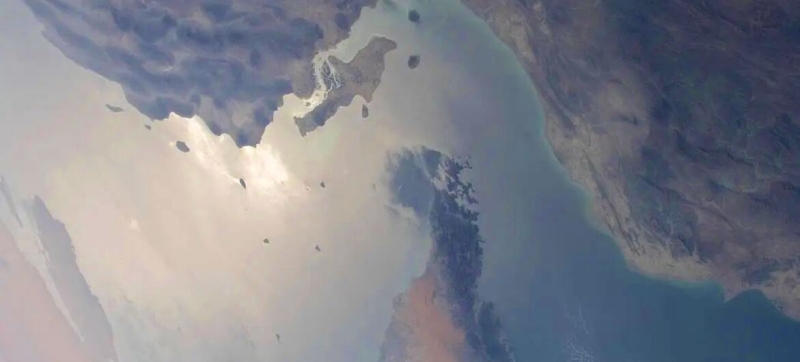

Satellite image of the Strait of Hormuz separating the United Arab Emirates and Iran. Closing the Strait of Hormuz could trigger a global economic slowdown Economic development
The de facto closure of the Strait of Hormuz has provoked a deep crisis that could gradually engulf the entire world economy. This is stated by experts from the United Nations Conference on Trade and Development (UNCTAD).
Energy crisis
The situation, which escalated after an escalation in late February, has led to a catastrophic decline in maritime traffic by 95 percent: the number of transits fell from 130 ships per day in February to just six per day in March.
Failures in a key energy artery immediately led to a shortage of oil and gas supplies, and also paralyzed related logistics systems, including sea and air cargo transportation.
Soaring fuel prices have driven up the cost of producing and transporting goods around the world. UNCTAD notes that this primarily concerns the transportation of oil and liquefied natural gas by tankers that follow routes through the Strait of Hormuz, while container shipping is under indirect pressure due to rising costs. Europe and South Asia turned out to be: they are most dependent on Middle Eastern exports. If the disruptions are prolonged, prices will remain high for a long time.
UNCTAD also notes that amid geopolitical instability, the growth rate of global merchandise trade in 2026 could slow to 1.5-2.5 percent from 4.7 percent in 2025. Global GDP growth is also expected to decline from 2.9 percent to 2.6 percent.
Developing countries under attack
The situation is aggravated by financial instability: investors are withdrawing capital en masse from developing countries, which leads to the weakening of their currencies and the rise in the cost of critical imports – food and fertilizers. It also means that countries face rising borrowing costs in international markets.
With 3.4 billion people already living in countries where debt servicing costs exceed spending on health and education, UNCTAD warns of the possibility of a global debt crisis.