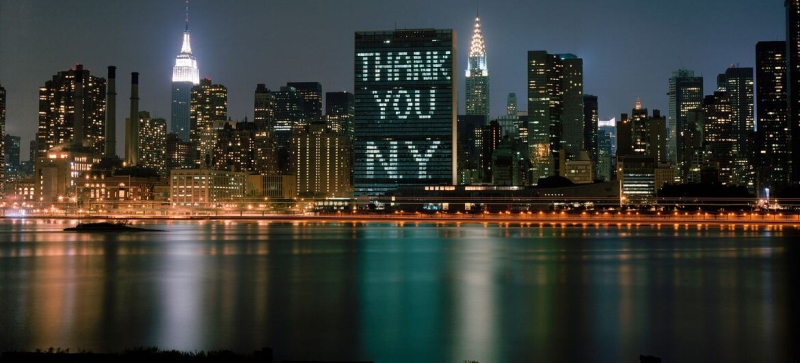

The UN Secretariat building with the illuminated sign “Thank you, New York.” So the leadership of the organization decided to thank the city for hosting the Millennium Summit. The city opens its doors to the world: New York and the UN UN
Born from the ashes of World War II, the dream of a more peaceful and more just world united nations in 1945 around a new vision for humanity—the United Nations.
The image of the UN today is inseparable from New York, which has become its home for many decades. The Hunter College complex in New York’s Bronx (now Lehman College) was one of the first temporary headquarters of the UN and the site of the first meeting of the UN Security Council on US soil – March 25, 1946.
The college’s basketball gym was converted into a Security Council meeting room in just three weeks. The journalists were housed in a converted swimming pool. One of the first issues the Council discussed was Iran.
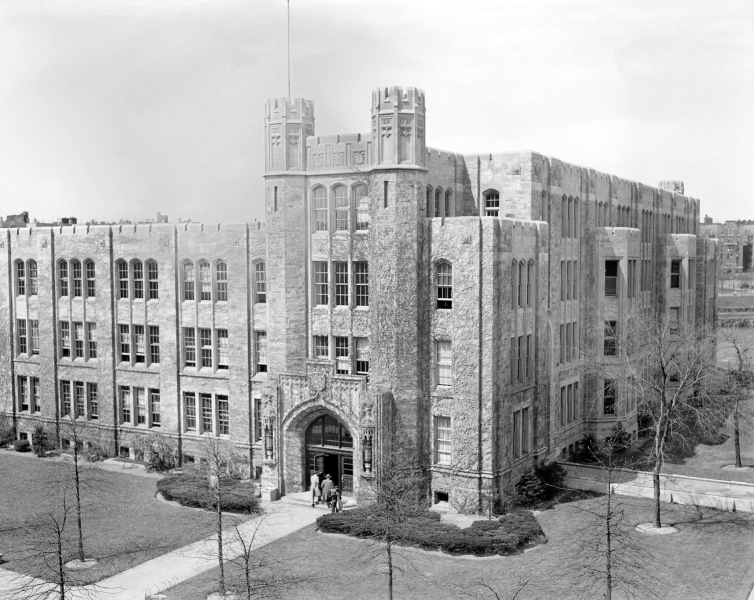
Hunter College building in the Bronx in 1946.
Hunter College was not large enough to accommodate all the UN personnel needed to run the organization, let alone the delegates from the 51 countries that were then members of the UN. Therefore, new temporary headquarters were located on the site of a former World War II munitions plant in the community of Lake Success on Long Island.
At Lake Success, the meetings were recorded and broadcast around the world, an unprecedented moment in the history of global broadcasting.
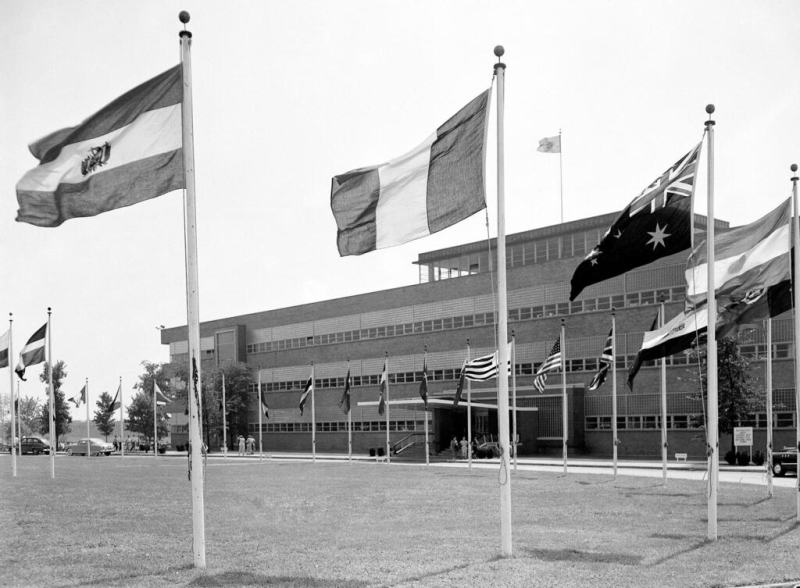
UN temporary headquarters in Lake Success.
UN Radio was created in 1946, and one of the first interviewees was Eleanor Roosevelt, the US delegate (and former First Lady of the United States) who was the driving force behind the creation of the Universal Declaration of Human Rights.
World Radio Day is celebrated annually on February 13, since on this day in 1946 – 80 years ago – the first broadcast of UN Radio took place.
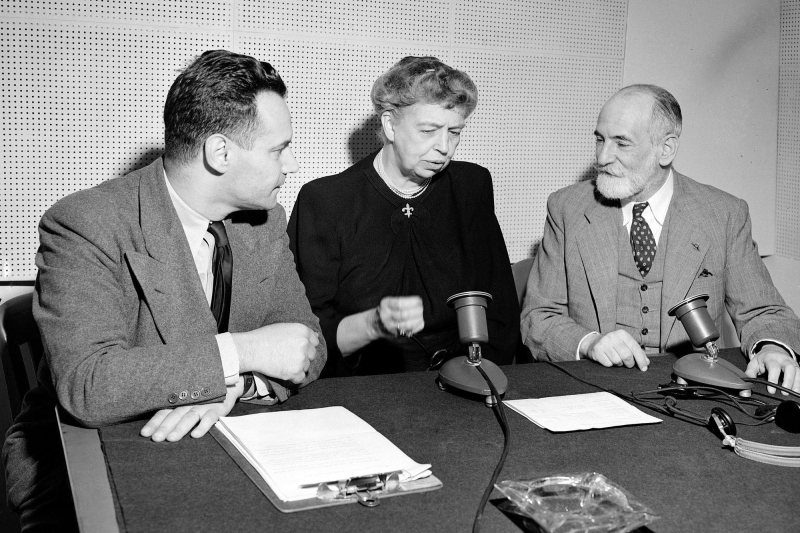
Eleanor Roosevelt in the UN Radio studio.
Soon the UN needed more space, and an agreement was reached to hold meetings of the General Assembly in the former World’s Fair pavilion in Flushing Meadows Park in the New York borough of Queens. The Security Council and other UN entities continued their work in Lake Success.
It was cold and windy in the exhibition pavilion – and this was noticeable: delegates often sat in coats and capes right in the meeting room. A UN nurse treated diplomats with colds.
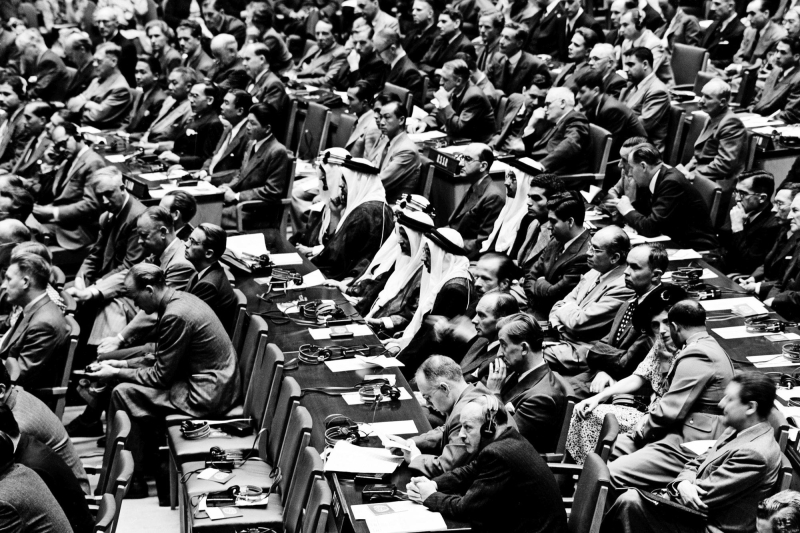
Meeting of the UN General Assembly in Queens in 1947.
Despite the cold, Secretary-General Trygve Lie called the building and its surrounding park a symbol of the warm friendship between the United Nations and its host city.
The ice arena was converted into a hall for the General Assembly, which met there until 1950. By that time, the number of UN member states had increased to 60. (Today there are 193.)
The organization of international meetings on an unprecedented scale fell on the shoulders of the staff of the UN Secretariat – the administrative and executive body of the UN, ensuring its daily work.
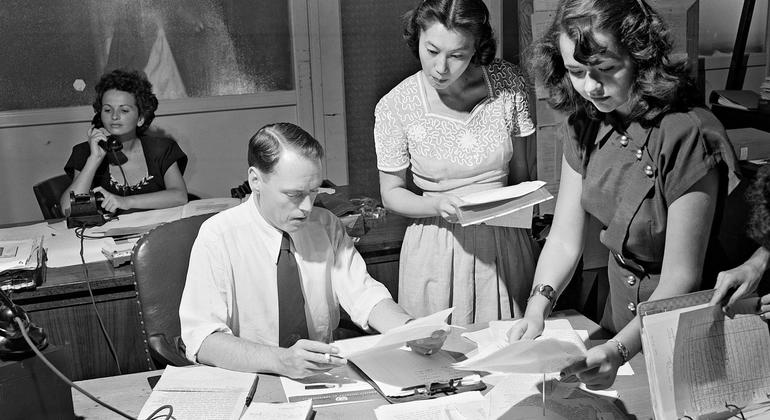
Behind the scenes, hundreds of communications and public relations specialists worked to ensure that meetings of the General Assembly and the Security Council reached the widest possible audience. The reports were compiled by press officers in English and French, the working languages of the UN, and then distributed throughout the world.
While the UN continued to work in Queens, the Organization’s leadership was actively looking for a site for a permanent headquarters.
New York competed with Boston, Philadelphia, San Francisco, Fairfield County in Connecticut, as well as Westchester County in New York State.
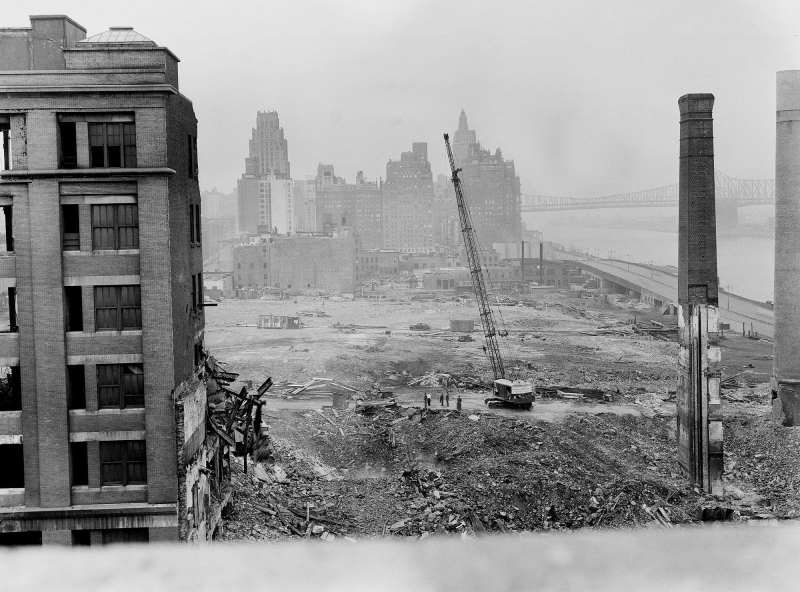
Construction of the UN headquarters in New York begins in 1947.
An $8.5 million donation from American industrialist and arguably the richest man in the world at the time, John D. Rockefeller, made it possible to purchase the 17-acre site on the banks of the East River in Manhattan, where today the UN headquarters is located. enterprises.
A UN Radio reporter visited the construction site and interviewed a random passerby.
– What attracts you most about this sight?
– It’s interesting for me to look at these guys below, digging pit.
– What are your feelings as a New Yorker, as an American, as a person belonging to one of the countries of the United Nations? What is your attitude towards everything that is happening, if we are honest and frank?
– I think it’s simple wonderful. I think that if the United Nations works, it will be the most wonderful thing that has ever happened to us.
– I noticed you made a reservation. What do you think could prevent this? people.
– This is the best answer I’ve ever received.
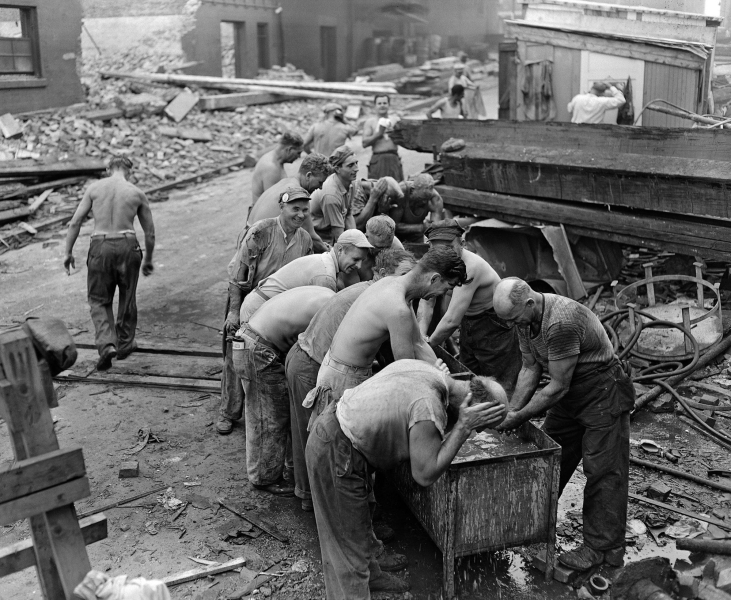
Workers at a construction site. The UN building took three years to construct.
Construction of the UN headquarters in Manhattan took about three years under the direction of an international team of famous architects, including Le Corbusier and Oscar Niemeyer.
Staff began working in the building in 1951, and when construction was fully completed in 1952, 3 thousand were housed there people.
The UN’s relationship with New York goes back 80 years, and historian Chris McNickle says he has “no doubt that the United Nations is exactly where it should be.”
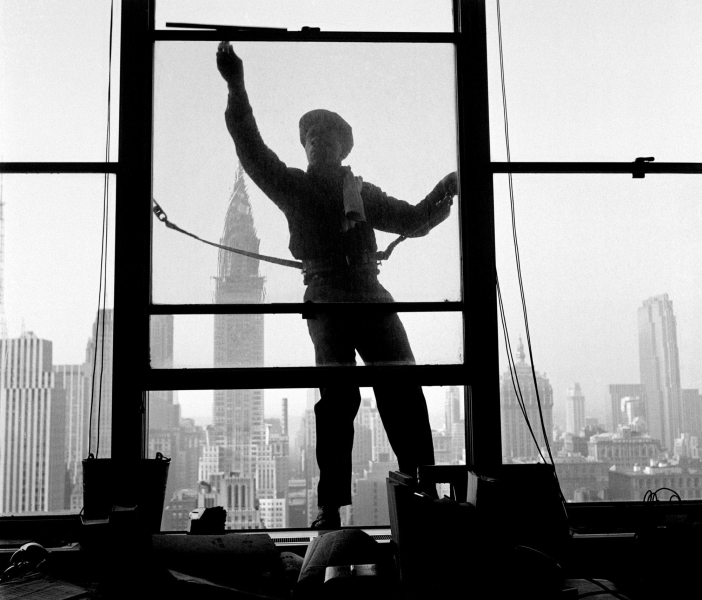
A worker cleans the windows of the UN headquarters building, 1951.
“New York is the greatest immigrant city in the world. And this city makes a statement: people from every walk of life, from every corner of the world, every race, every color, every creed, every religion can work together and get along with each other, and I think that remains true today,” McNickle said. implementation.
US Ambassador Warren R. Austin, chairman of the committee responsible for developing the UN complex, stated: “The United Nations is built on principles that will outlive the steel and stone of any structure. The United Nations stands, based on God’s law, as the main means created by man for solving problems and for uniting the peoples of the world.”