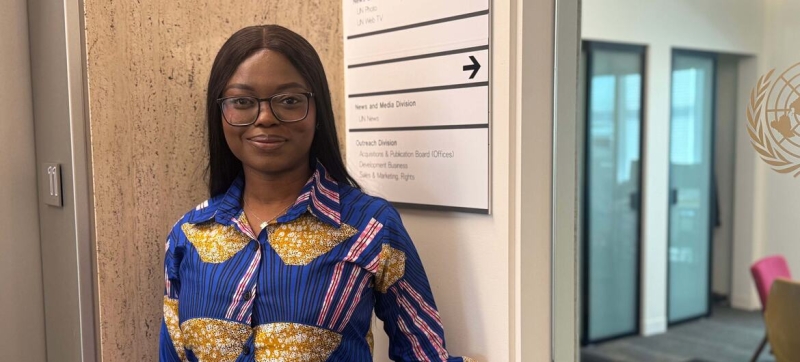

Nigerian human rights activist Oluwaseun Ayodeji Osowobi. From blog to global stage: Nigerian human rights activist calls for action to protect women Women
Nigerian human rights activist Oluwaseun Ayodeji Osowobi, who visited UN headquarters on the opening day of the 70th session of the Commission on the Status of Women, called on world leaders to focus on practical actions that will help protect women and girls.
Osowobi is the founder of the Stand to End Rape Initiative (STER), an organization working with victims of sexual and gender-based violence in Nigeria. The organization has been recognized with the UN’s SDG Action Awards.
This week it is in New York as a recipient of the International Women’s Forum Youth Award. Evgenia Kleshcheva from the UN News Service spoke with the activist on the sidelines of events dedicated to International Women’s Day and the opening of the session of the Commission on the Status of Women.
Personal journey
For Osovobi, her work has a deeply personal meaning.
“I myself survived sexual violence,” she says.
At the same time, the girl faced difficulties trying to get help and understand the complex support system. This, according to her, became the starting point for her future activities. She began writing about her experiences on a blog and on social media, explaining to readers what consent and bodily autonomy were. That’s when I realized I needed to create solutions,” she recalls.
Over time, the blog grew into a social movement and organization that today works with government agencies and local communities.
Social norms and lack of access to help
According to Osowobi, one of the main problems with women and girls face remain deeply ingrained social norms.
“In many communities, patriarchal ideas about the roles of men and women persist,” she notes. – It is believed that a woman should only be in the house, not have a voice, and be secondary to a man. This creates an environment where violence against women is perceived as acceptable.”
Another major challenge is access to support and justice, especially for women living in rural areas.
“Most services are concentrated in cities,” she says. “It is almost impossible for women from rural areas to get there. Therefore, it is important that help comes to people, and not vice versa.”
Help at the community level
Osowobi says her organization works directly with local authorities and communities. One project aims to train primary health care workers to support victims of sexual violence.
“This means that women in rural areas no longer have to travel to big cities to get help. It is available from local health workers,” she explains.
In addition, the organization conducts awareness campaigns in communities, works with religious and traditional leaders and helps women better understand their rights.
Why it is important to work with men
The human rights activist emphasizes that prevention is key violence plays a role in involving men and boys in this work.
“Most cases of violence against women are committed by members of the other sex, so it’s important to work with men as well,” she says. “We teach them about intimate consent, gender equality and positive masculinity.”
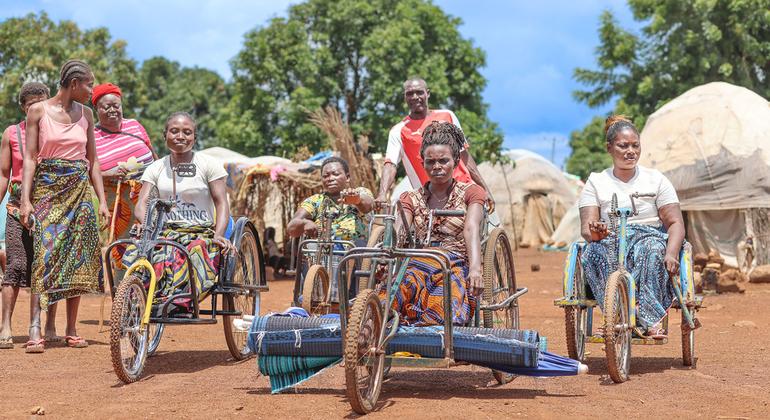
She gives an example of a common stereotype: if a man pays for dinner, then the woman is supposedly obliged to go to his house and continue the relationship.
“It’s important to explain that no expectations replace consent,” Osowobi emphasizes.
Is there progress?
According to the activist, there have been some changes in recent years.
“We see men who call themselves feminists and speak out for rights women,” she says. “The boys we have taught have a better understanding of equality and respect for women.” or relatives
Nevertheless, practices persist in communities that seriously violate girls’ rights. For example, in some cases, families with debts may “give” a daughter to another family to pay them off.
“We’re trying to change those norms in our communities,” she notes.
Increased Risks During Conflict and Migration
Osovobi also highlights the factors that make women especially vulnerable. These include natural disasters and conflicts.
“During conflicts, violence against women often becomes a weapon of war,” she says.
Serious risks also arise during migration. While working with the UN on human trafficking issues, the activist spoke with migrant women survivors of sexual exploitation.
“The stories they tell are heartbreaking,” she says.
From Promises to Action
Osowobi’s Main Call to world leaders and members of the Commission on the Status of Women to focus on implementing existing international commitments.
“We have declarations, treaties and global instruments that protect the rights of women and girls. The problem is implementation,” she stresses.
States must not only make commitments, but also allocate resources to combat child marriage, sexual violence and other forms of discrimination, she says.
“We need to move from talk and promises to action at the community level,” says she.
The Role of Local Initiatives
Osowobi believes that international forums can play an important role by listening to local initiatives.
“It is important to listen to people in communities and be sensitive to their needs,” she says. “It’s at the local level that we can see real change.”“In many countries, when a woman is abused in her own home, she is the one who is taken to a shelter,” she notes. – This may be necessary, but the question arises: why do we remove a woman from the house, and not the one who committed violence?»
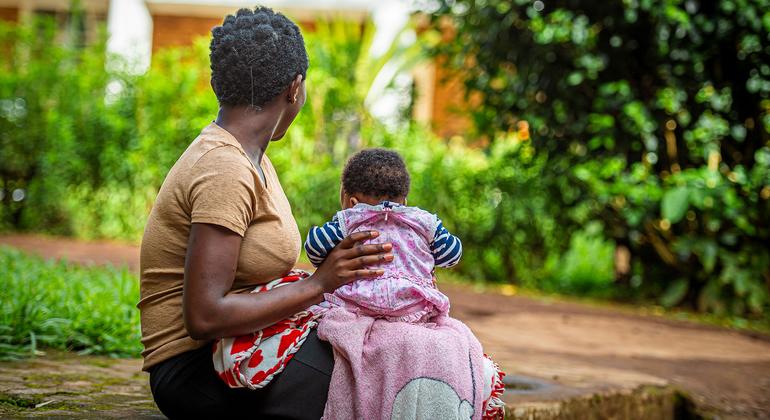
She draws parallels with other crimes. “If a person commits murder, he is isolated from society and faces the legal system. But in the case of domestic violence, the opposite often happens: the woman is forced to leave her usual environment, and the abuser continues to live in the same place,” says the activist. In her opinion, systems for responding to violence should be more focused on the safety of victims. At the same time, Osowobi notes that shelters remain an important element of the assistance system, since they may be necessary in different situations. victims.
“You don’t have to have a perfect system or a ready-made organization to get started. You can gather people in your community, put it on the radio, write about it, support others,” she says.
It’s small initiatives like these that add up to larger changes, she says.
“Unfortunately, this is a burden that we have to bear: our society seems to be divided. And it’s up to us to put it back together,” Osowobi emphasized.